
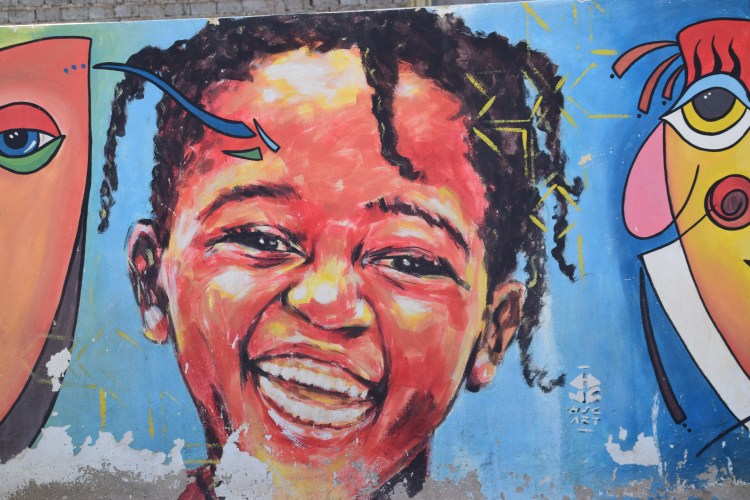
Moving on from São Vicente, we head to Santiago, the largest island in the archipelago.
So – why did we visit Santiago….
Looking for as much of a mix of beach, urban, nature and culture as time and logistics allowed, Santiago seemed like an obvious inclusion. Praia, the largest city and the country’s capital, is located here – and I LIKE capitals! It is home to the country’s only UNESCO World Heritage site – I like those too!!! It is linked to São Vicente by air and offered an opportunity to experience another aspect of the islands. We decided on 3 nights /2.5 days, giving us a day to have a look around the city and another to explore further afield.
Alas, the God’s finally caught up with us and decided things were going a bit too smoothly! We were well aware of the challenges that face visitors relying on internal transport – be it high winds, maintenance, overbooking or subcontracted cancellations – so a change in schedule wasn’t really a surprise.
But it didn’t work in our favour. Our onward flight was brought forward by a day (we did know in advance), leaving us with just 2 nights/ 1.5 days on the island. But a lunchtime flight from São Vicente and a no show transfer in Praia meant we didn’t get to our hotel until 4.pm. There was just time for a quick swim before heading in to the city centre to have a look around before darkness fell. We abandoned any thoughts of exploring the greater island and opted for a morning tour of the city centre and nearby, UNESCO listed, Cidade Velha. The Gods, alas, were still against us – the tour went ahead the following day but being November 1st and a public holiday, it meant pretty much everything was closed. C’est La Vie!!!
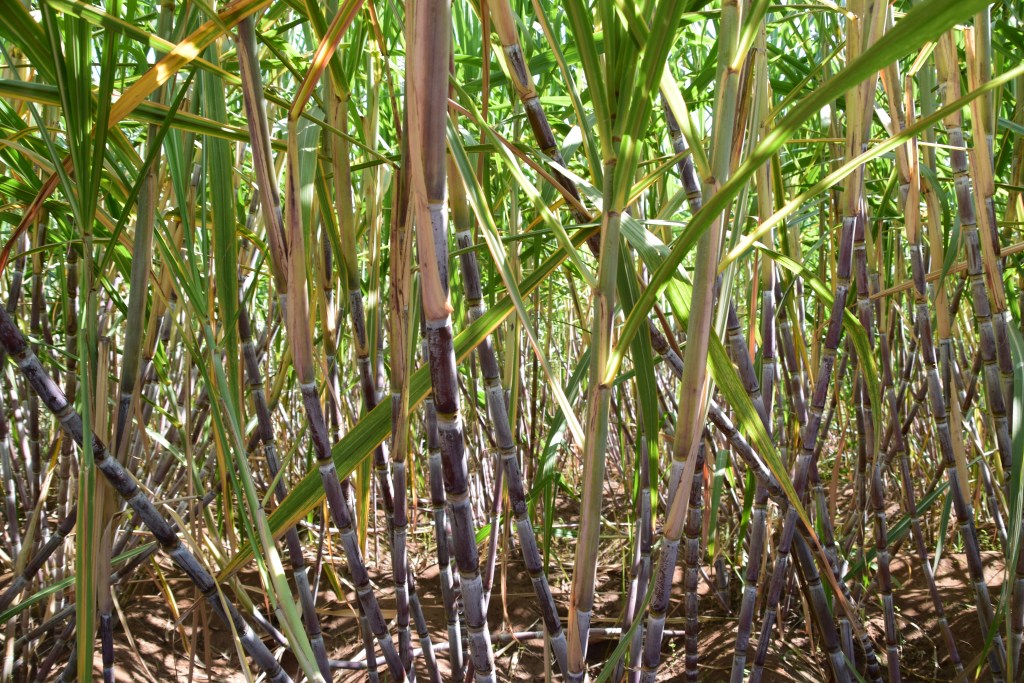
Santiago may be the largest island but it’s one of the least touristy. Its population originated from Portuguese citizens, European explorers and even criminals banished from mainland Europe. It was a fertile island and slaves were brought from mainland Africa to manage the sugarcane crop. Of the archipelago’s population (est 527,000 – 610,000 as of late 2024/25) about half live on Santiago and about half of those live in Praia (The urban population for the islands as a whole is circa 78.56%).
In 1462, Cidade Velha, 15 kilometers outside present-day Praia, was established as a major market in the slave trade, processing tens of thousands of captured Africans before they were shipped off to Europe and the Americas. This trade made the city the second richest in the Portuguese realm. However, this great wealth, along with ongoing colonial rivalry between Portugal, England and France, left the city vulnerable to attacks by pirates as well as Portugal’s enemies and so the capital was eventually transferred to Praia in the 18th century.
The town’s importance as the first European colonial town to be built in the tropics – signifying a decisive step in European expansion towards Africa and the Atlantic area – is among the reasons it was registered as a UNESCO World Heritage Site in 2009. There are several areas of interest here, not to mention the dramatic views of the Atlantic.


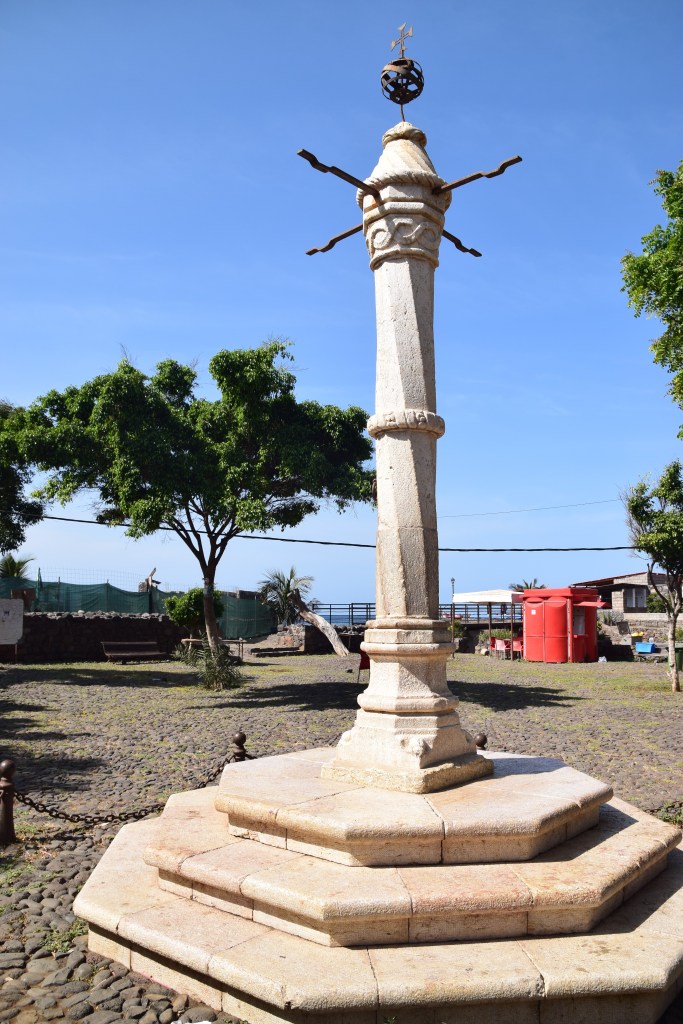
In the small town square stands the Pillory – a 16th century marble pillar where rebellious slaves were publicly punished.
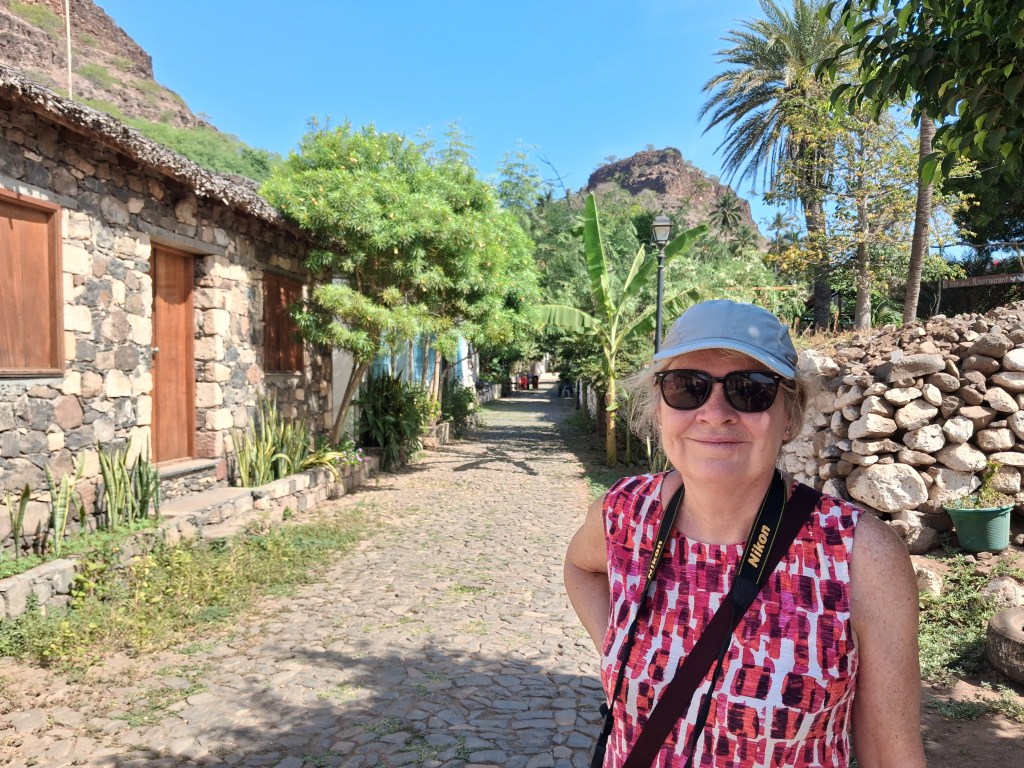
Rua da Banana is the oldest street built by the Portuguese in Sub-Saharan Africa.

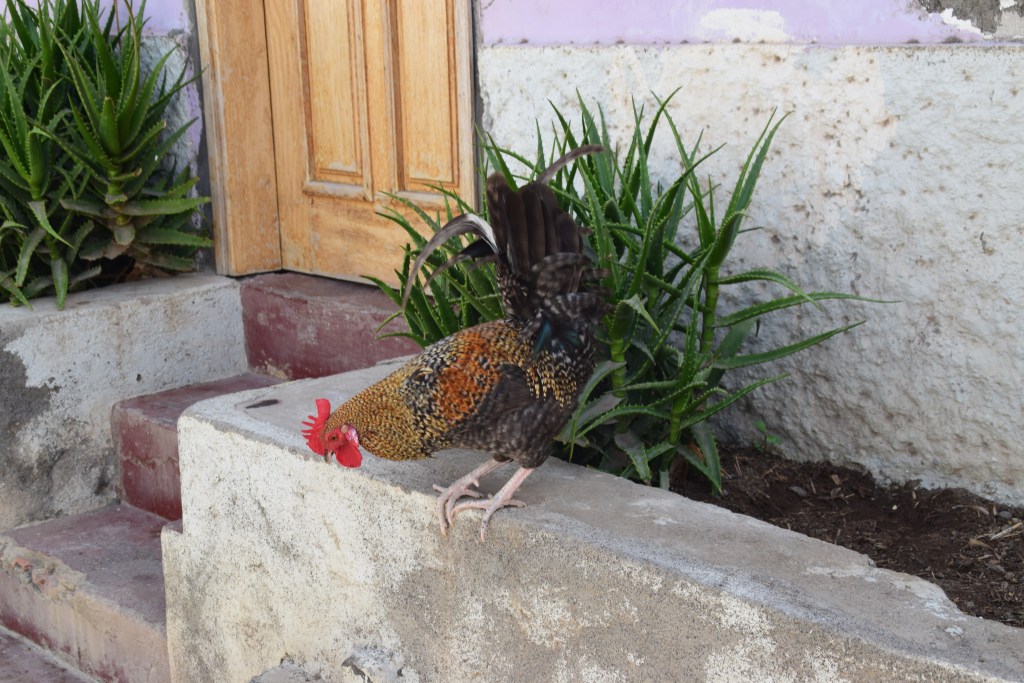
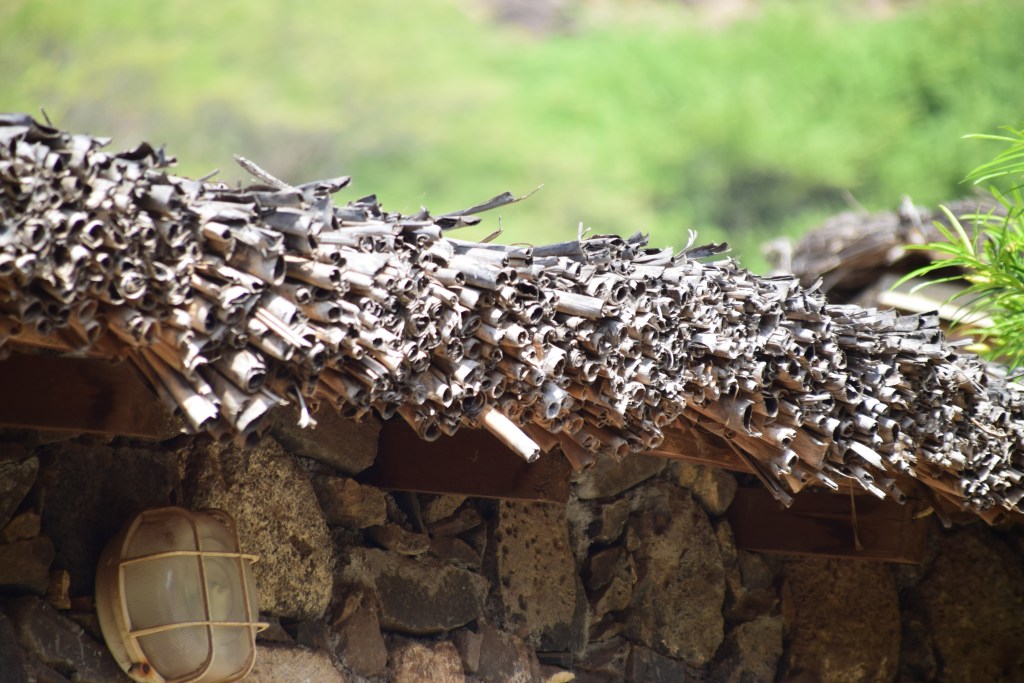
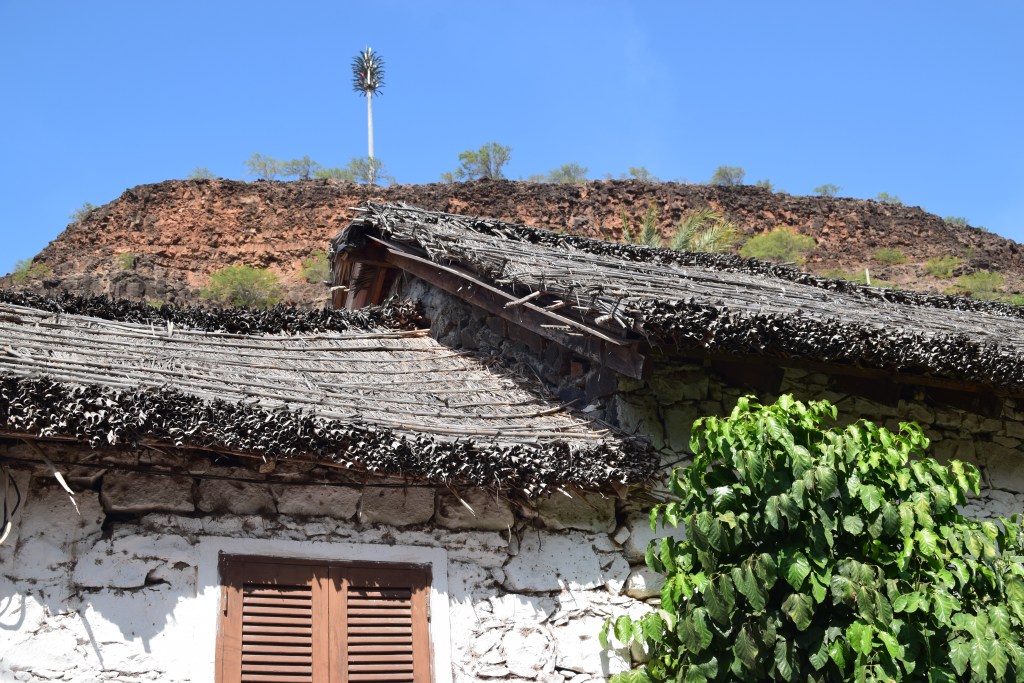
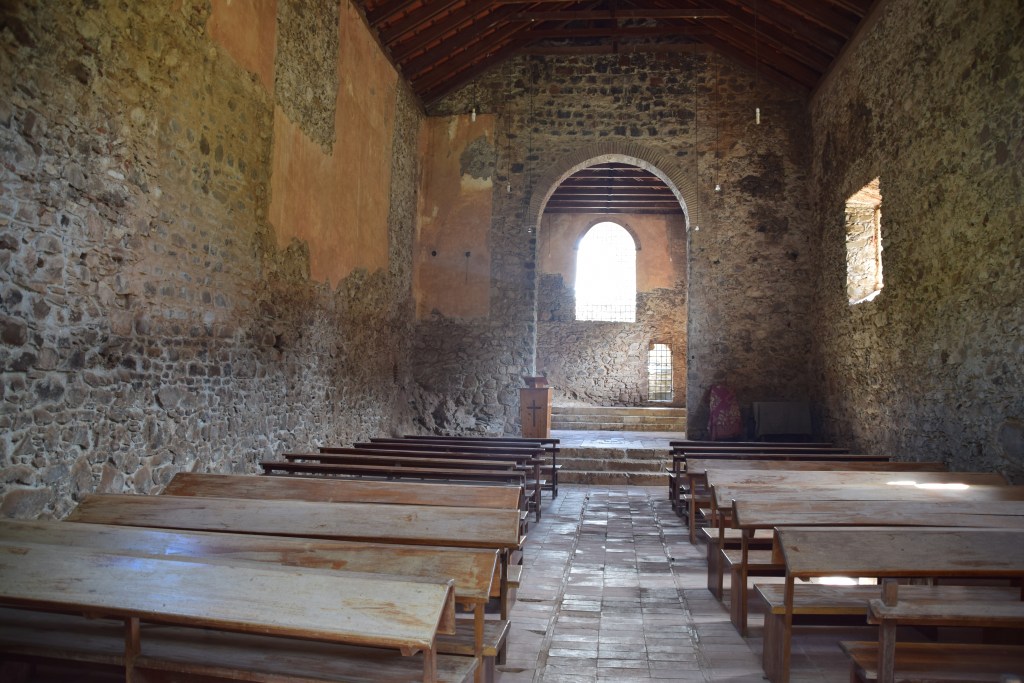
Nossa Senhora do Rosário Church is another oldie – dating back to 1495, it’s actually the oldest structure in the islands.

Further up the hill lies Convento de São Francisco, built in 1640 by a wealthy landowner.
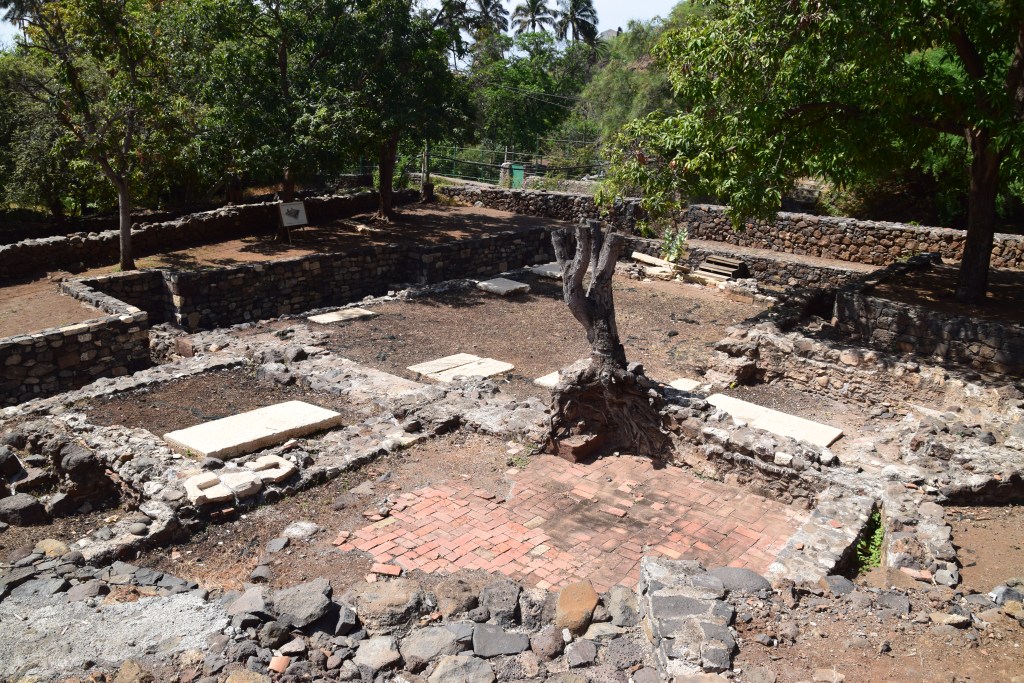
The Church of Nossa Senhora da Conceição was discovered in 2015 by a local farmer while planting crops.
The Ribeira Grande de Santiago is typically a dry riverbed or seasonal stream for much of the year, flowing consistently only during and immediately after the brief rainy season.
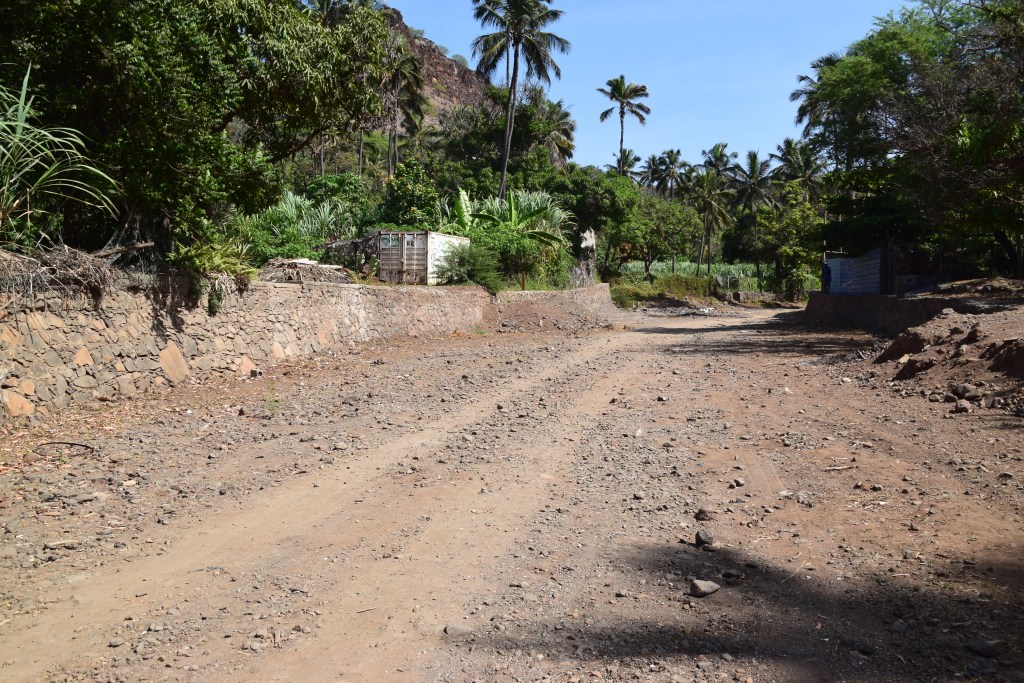
Overlooking it all, Fort Real de São Filipe was one of the strongest of the time when completed in 1593.

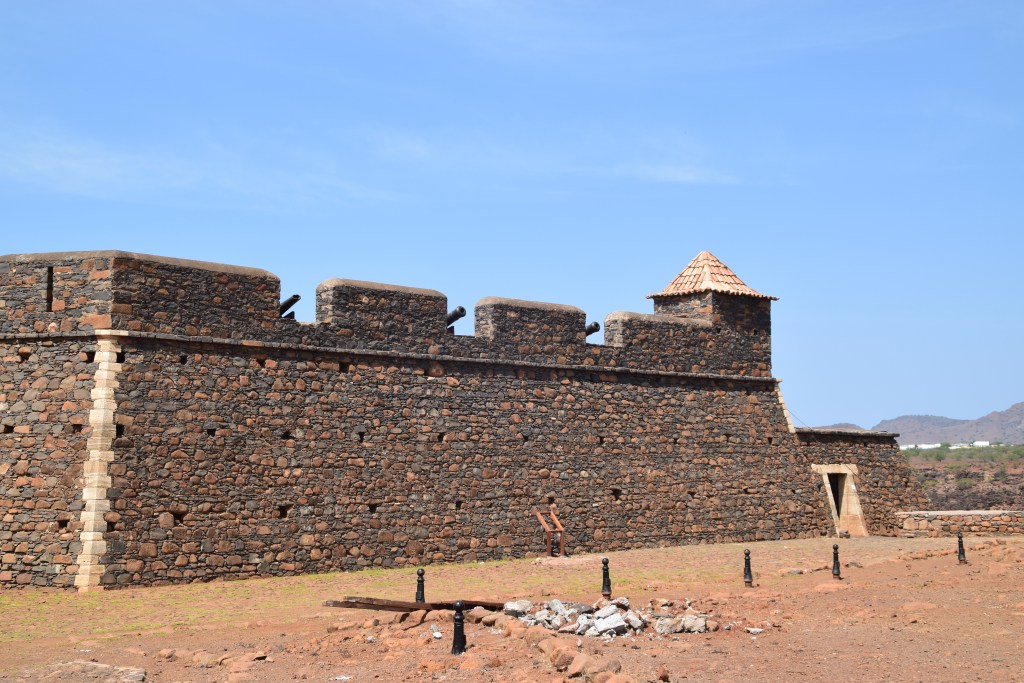
It was closed to visitors on the day but we could still enjoy the views…
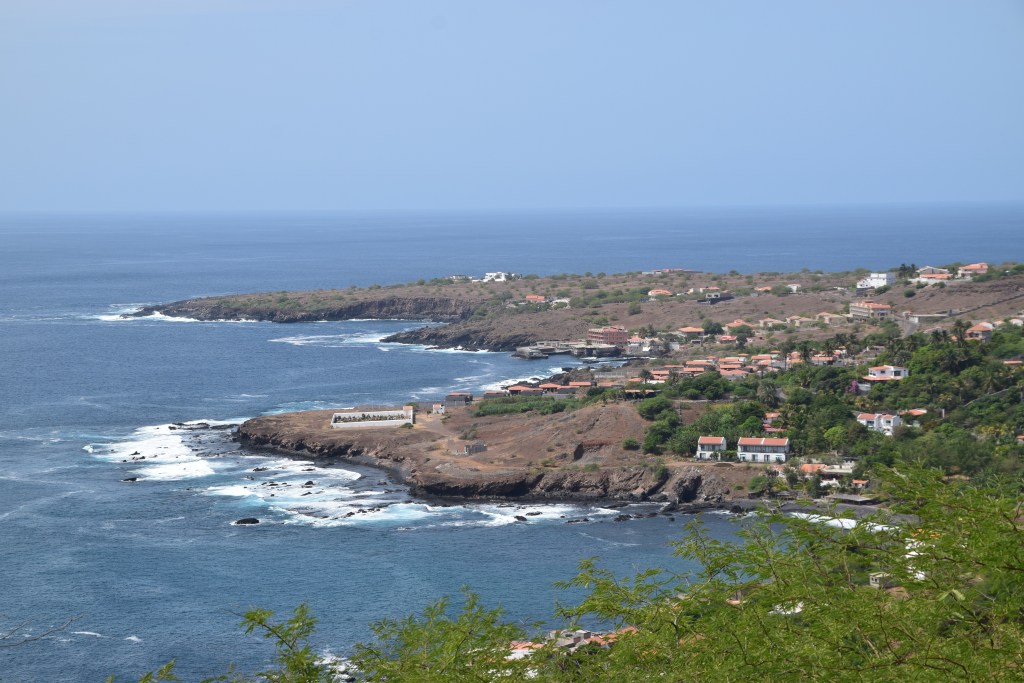
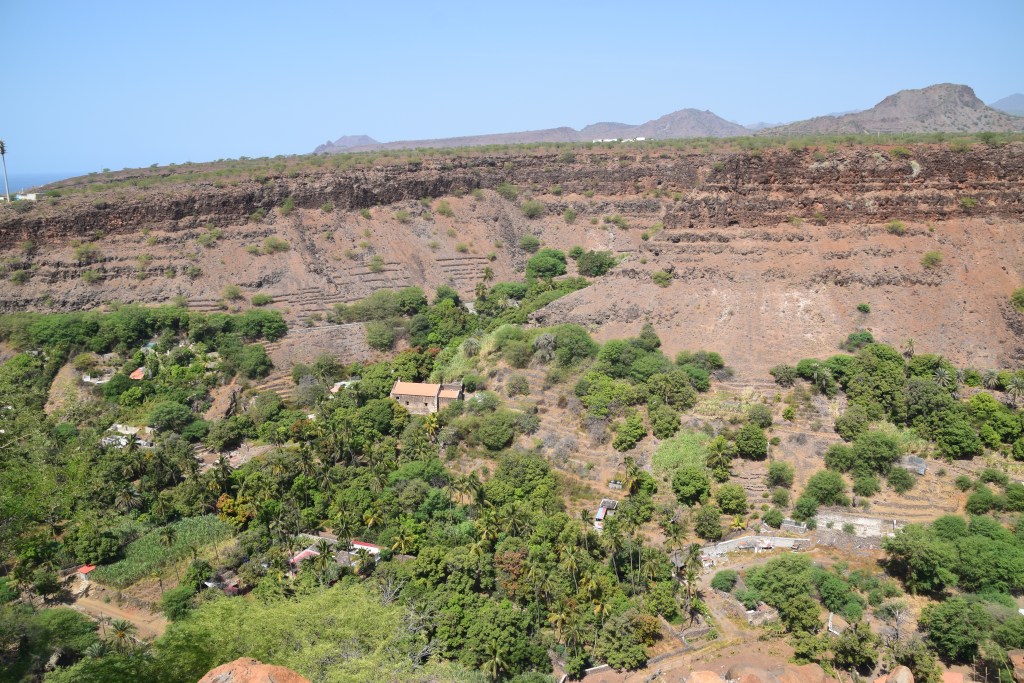
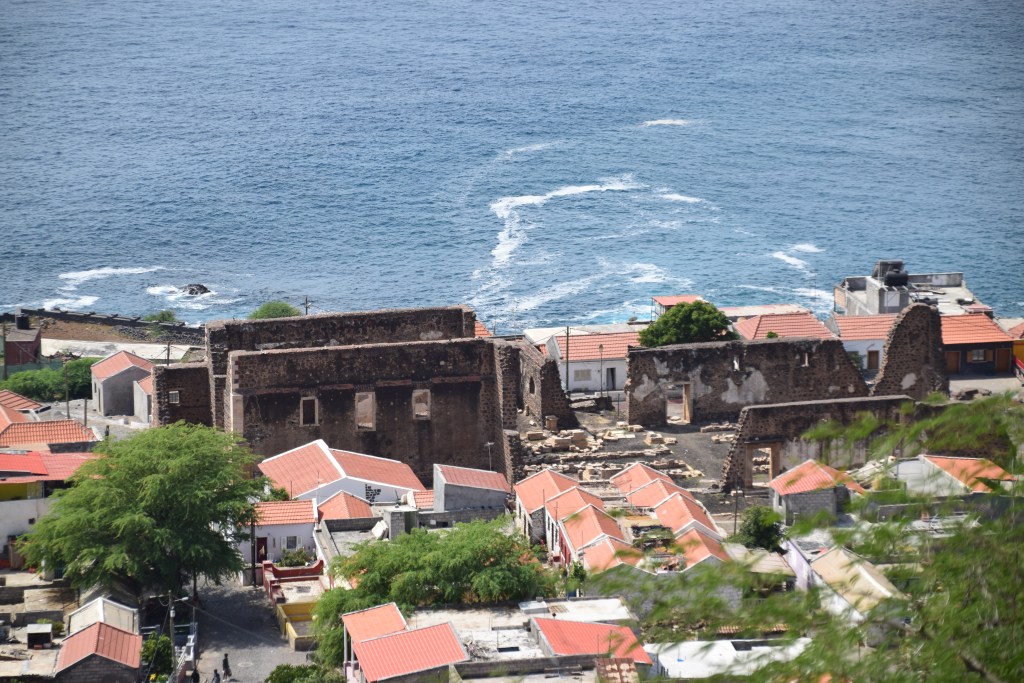
Down below us lies what’s left of the cathedral – it was heavily damaged and looted by French privateers in 1712. There are plans to finally restore the building within the next few years
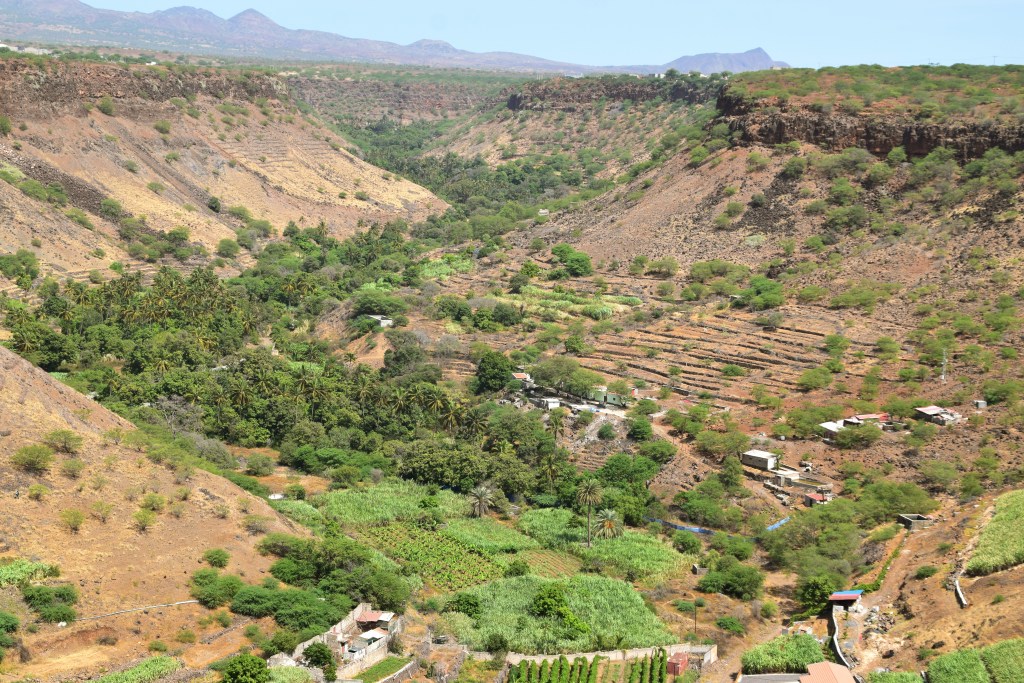
The river valley cuts through rugged and mountainous terrain. It is used for agriculture, irrigated primarily by groundwater extraction. Dams have been constructed further upstream with pipes supplying water to farmers. It’s wonderful to see so much production in a country that relies so heavily on imported food…

The administrative centre of the colony moved to an elevated plateau above the sea. The town – rather lazily – was named Praia meaning beach and the elevated area to this day is still just known as the Plateau! Praia remained the administrative centre until 1975 when, with independence from Portugal, it assumed the role of capital of the new state. Of course the city, like every other, has experienced the usual urban sprawl and has long spread out beyond the plateau.
Being the capital has brought benefits to its 160,000 inhabitants – most roads in and around Praia are paved while the city also receives significant investment in sectors such as water and sanitation. Its port is second only to Mindelo in size and handles most of the country’s imports/exports. An expanding tourism industry, as well as service-related activities, accounts for a significant part of the local economy and there is a growing middle-class population here.
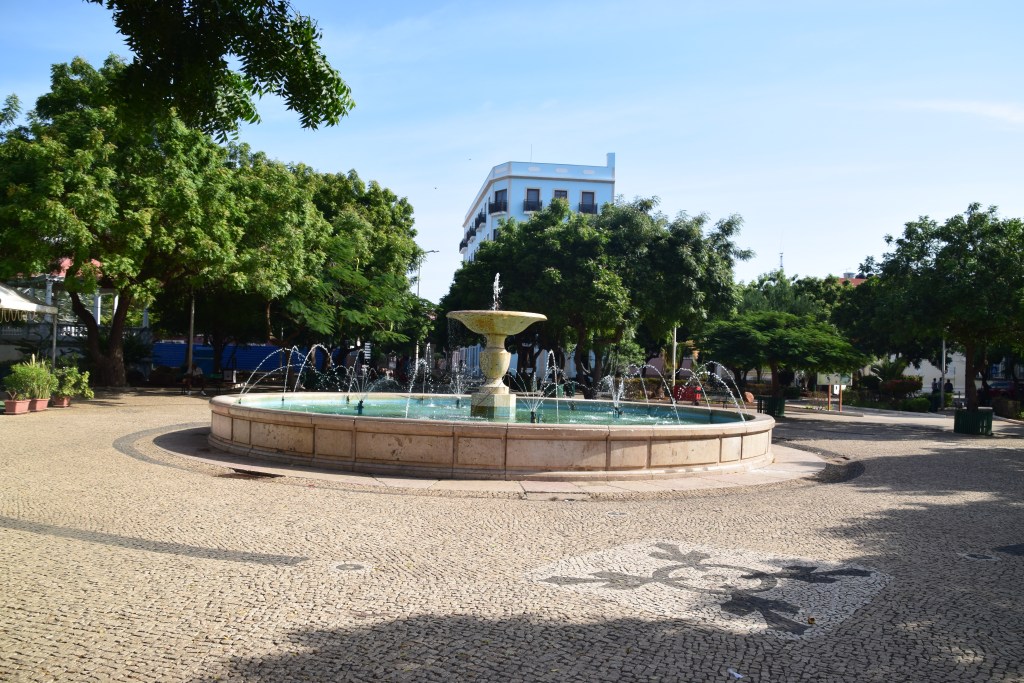
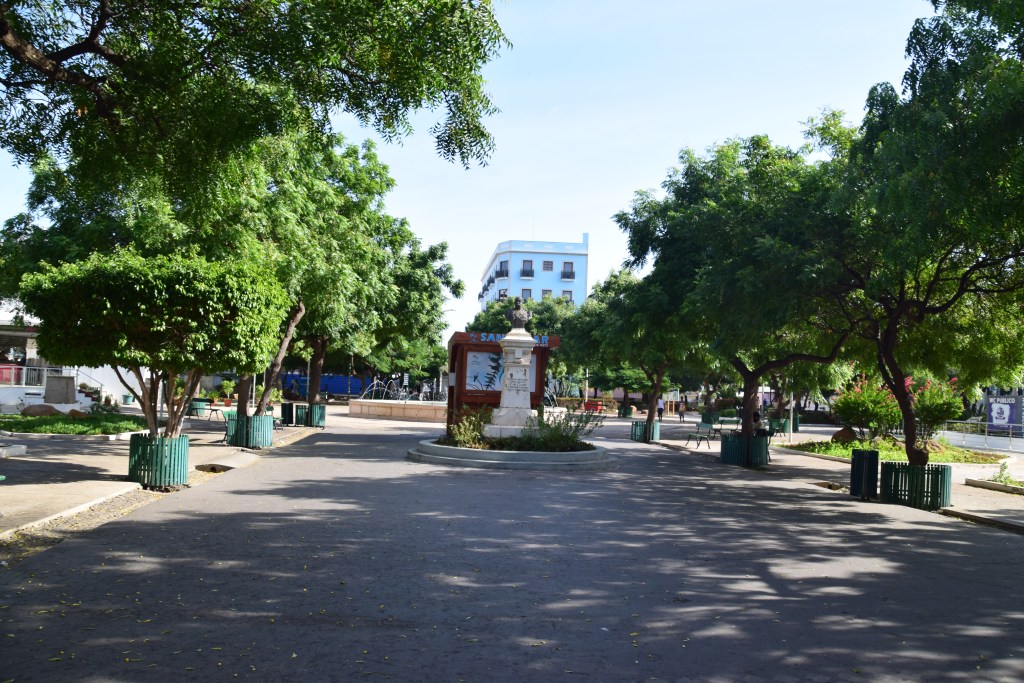
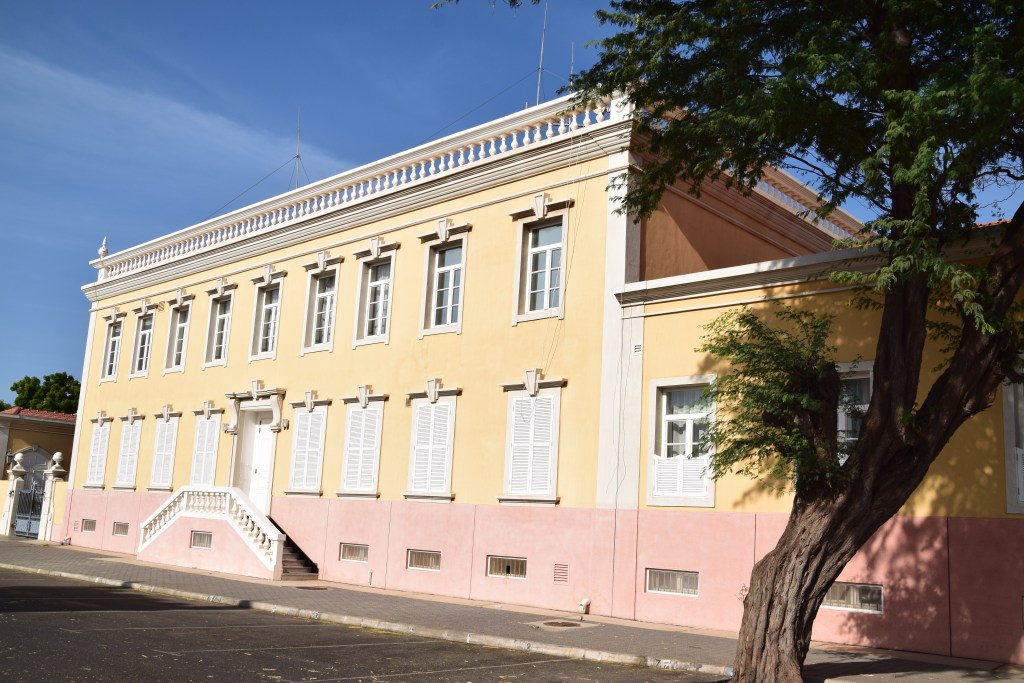
Plateau still reflects the islands’ past with its lovely colonial style architecture. There aren’t many major sites beyond a few museums and markets but it’s nice to walk the partially pedestrianised area and enjoy Alexandre Albuquerque Square, the shops and restaurants.


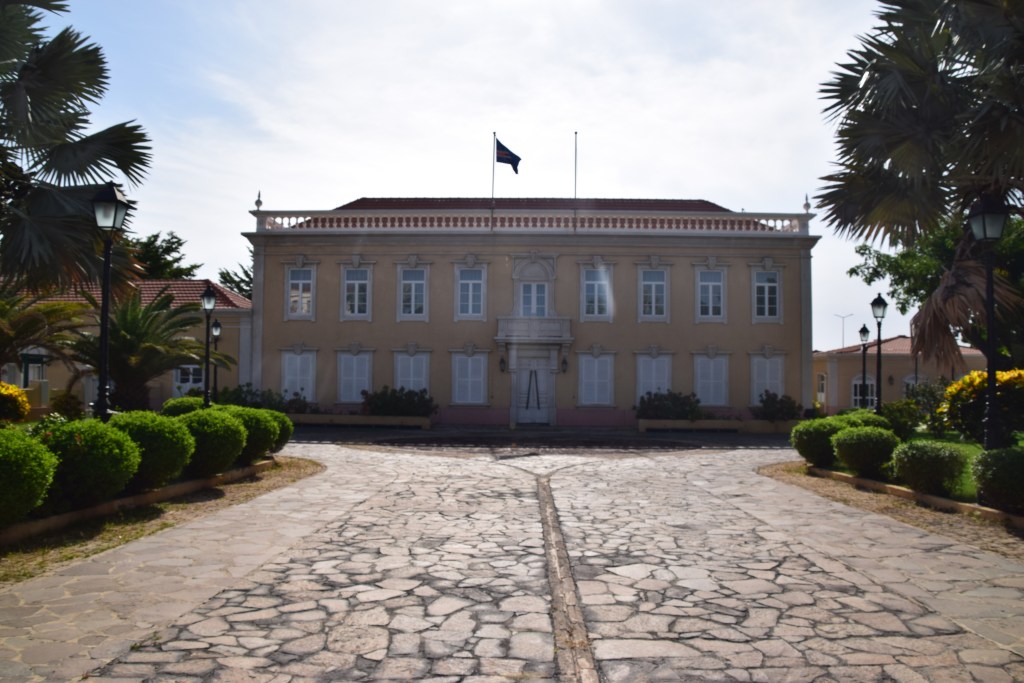


There is a huge national flag up on the plateau…
Blue represents the sky and ocean. The bands in between signify the road towards construction of the nation – white standing for peace and red meaning effort. The stars represent the 10 main islands – arranged in a circle to reflect the unity of the archipelago.

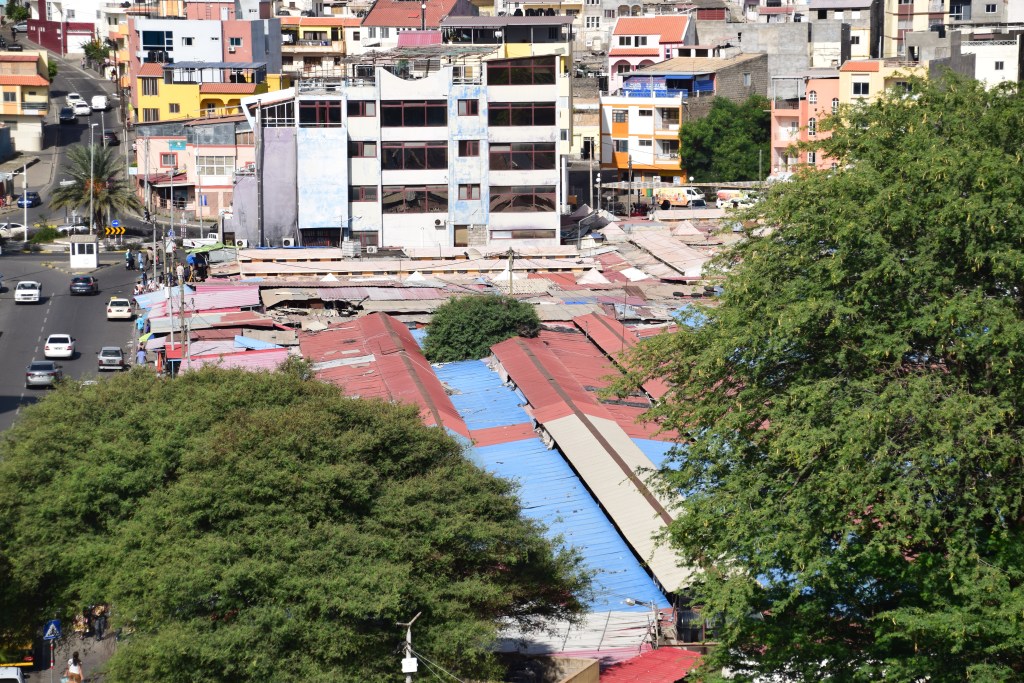
That’s Mercado de Sucupira down below the Plateau. Not a thing of beauty as you can see but 10 out of 10 for location. It was closed on our visit but is reportedly the place to shop for – well – everything I suppose!
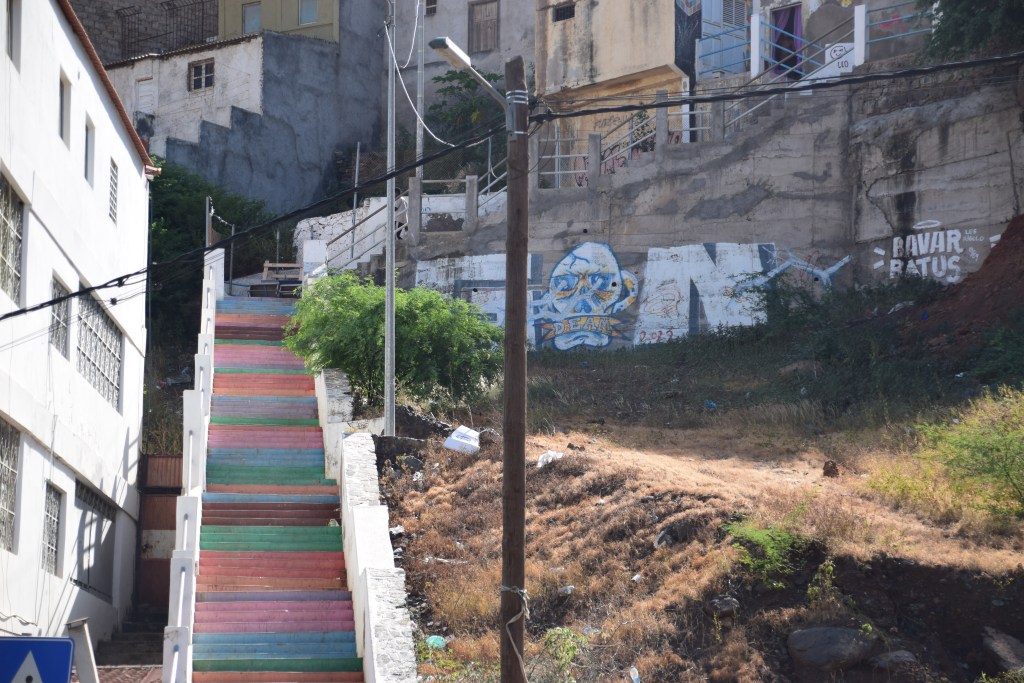
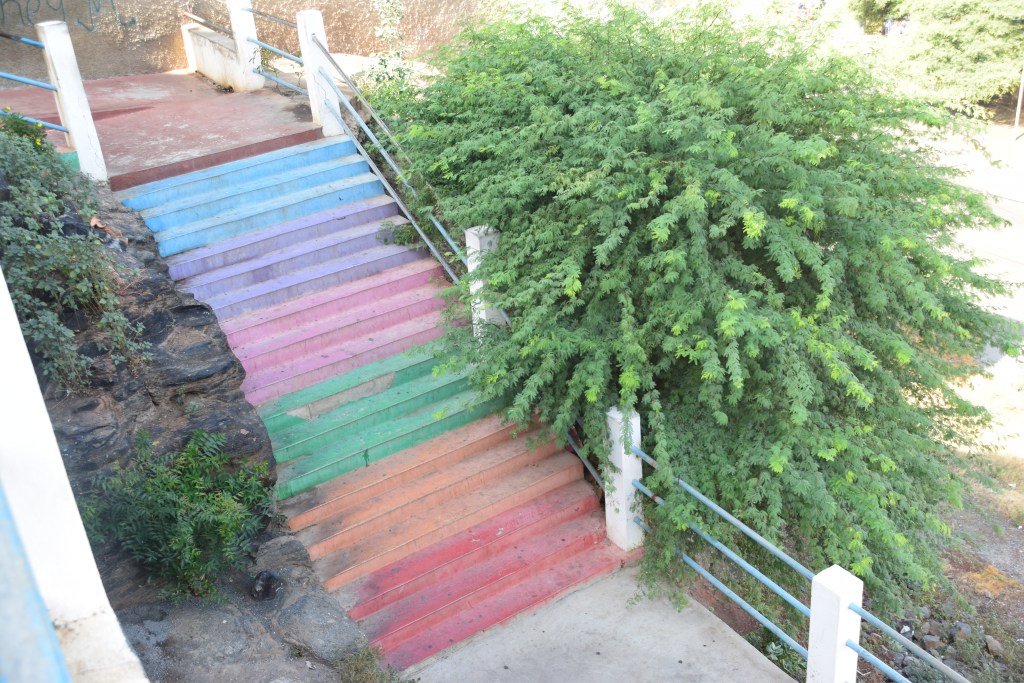
What goes up must come down!!! Access to the plateau must get wearisome at times but at least they’ve made an effect to cheer the steps up a bit!
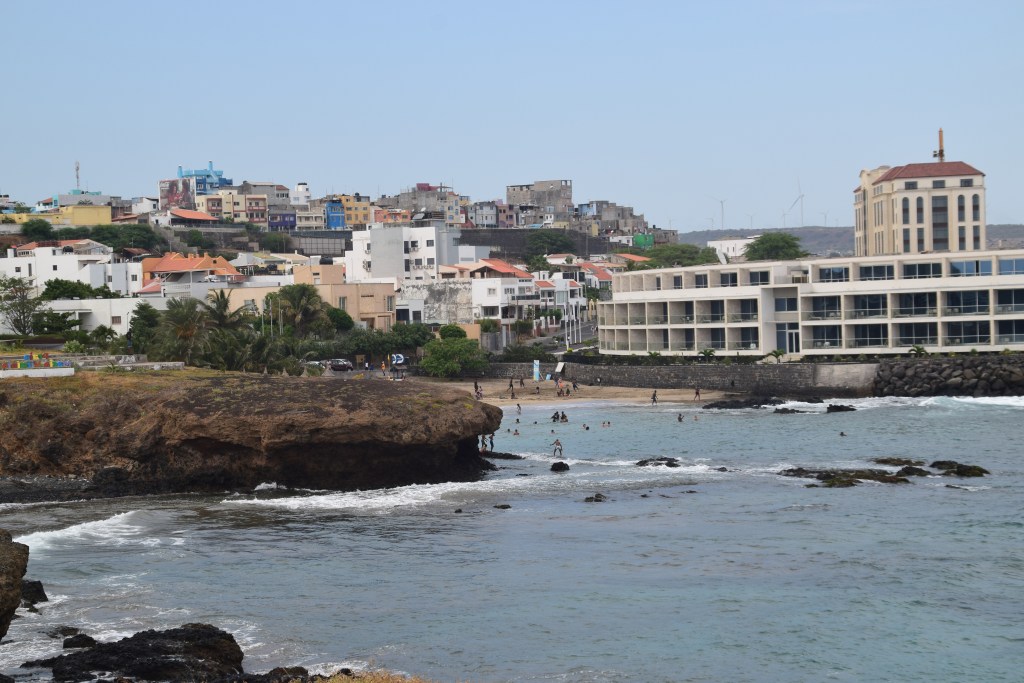
The beaches rather pale into insignificance when compared with the lovely stretches of sand elsewhere in the archipelago but – probably not the worst city beaches I’ve come across! There are a few very close to the city that are popular with locals and tourists alike and convenient for anyone not wanting to venture away from the area.

Ilhéu de Santa Maria, once known as Quail Island, has had a chequered career – leper colony, quarantine station, even playing a defining role in the development of Charles Darwin’s vision and theory!
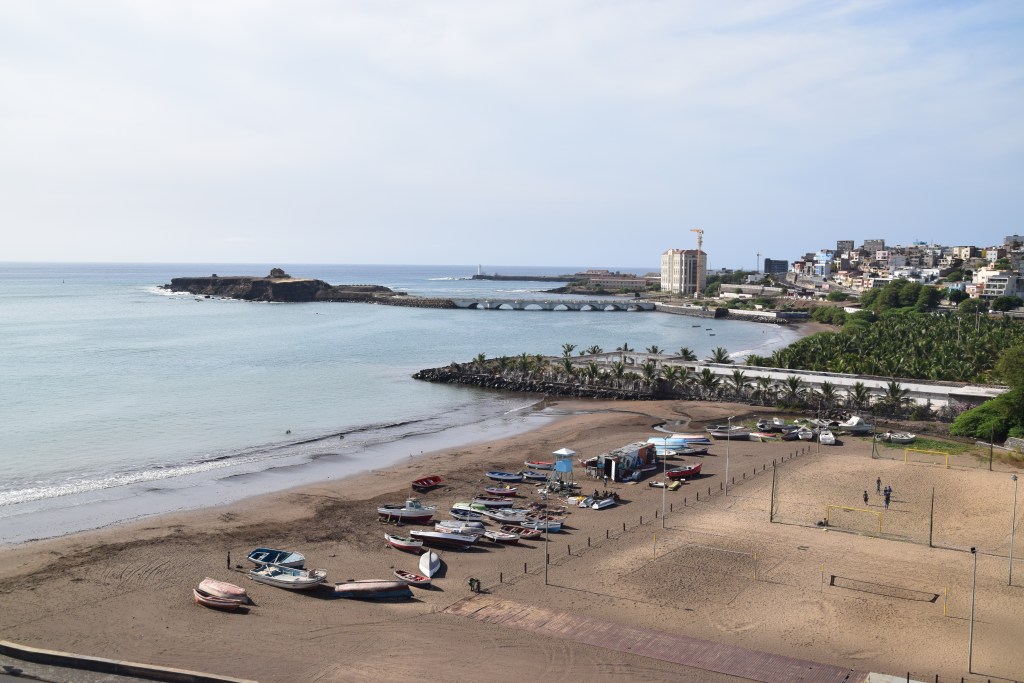
In 2015, Macau Legend Development Ltd, led by billionaire David Chow, agreed to invest €250 million in a casino complex on the island. The luxury resort would include hotels, office buildings, retail, dining, convention center, museum, function areas, a clubhouse and a marina! In return for the investment, the company received a 75 year land concession and 25 year gaming concession on the island.
A bridge out to the island was constructed and work began but, after a series of setbacks – Macau Legend’s reported failure to meet contractual obligations, etc – the project was officially cancelled by the government in 2024. Today, the only noticeable activity is from the guards at the gates while the site faces an uncertain future.

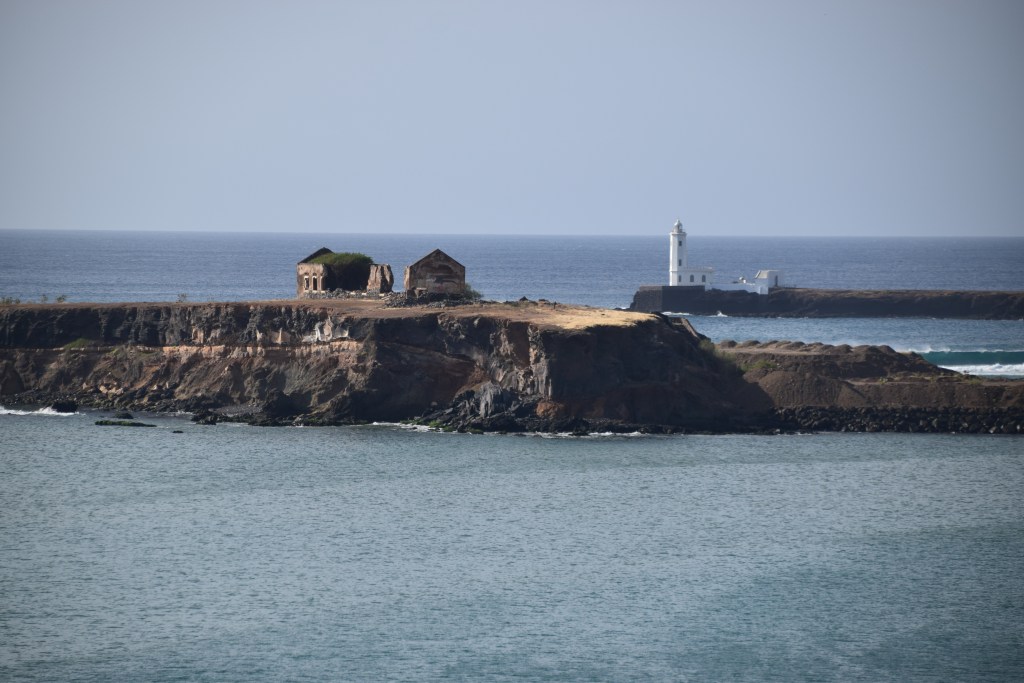
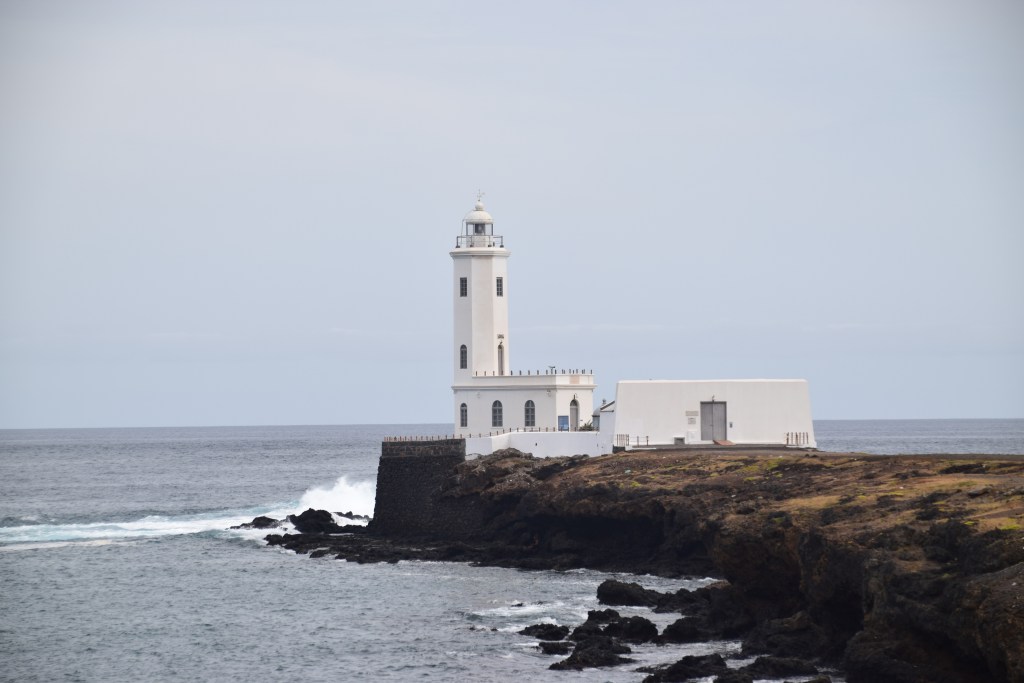
Dona Maria Pia Lighthouse dates back to 1881 and was named after the then Queen of Portugal.
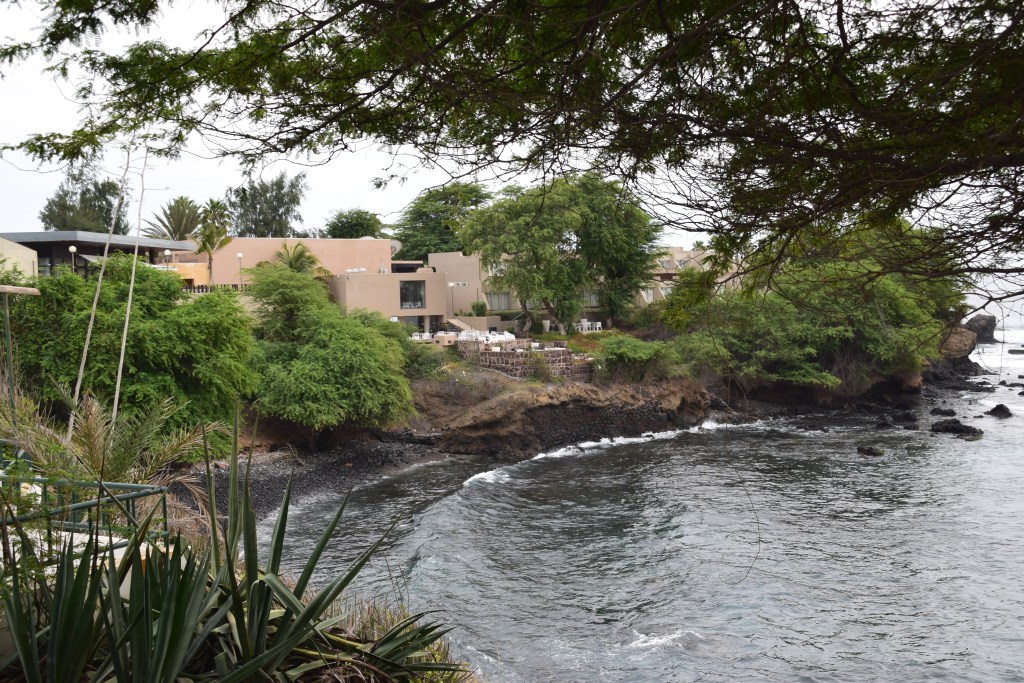
Where we stayed
My initial impression of Hotel Oasis Atlantico Praiamar was anything but favourable. BUT I admit to arriving there in foul humour! We’d hung around the airport for ages, awaiting our transfer and then I was convinced we were MILES away from everything! Not close to the city at all! It was too late in the day to see or do anything. There was no one on the tours desk to sort a city trip for the following morning – etc, etc, etc!
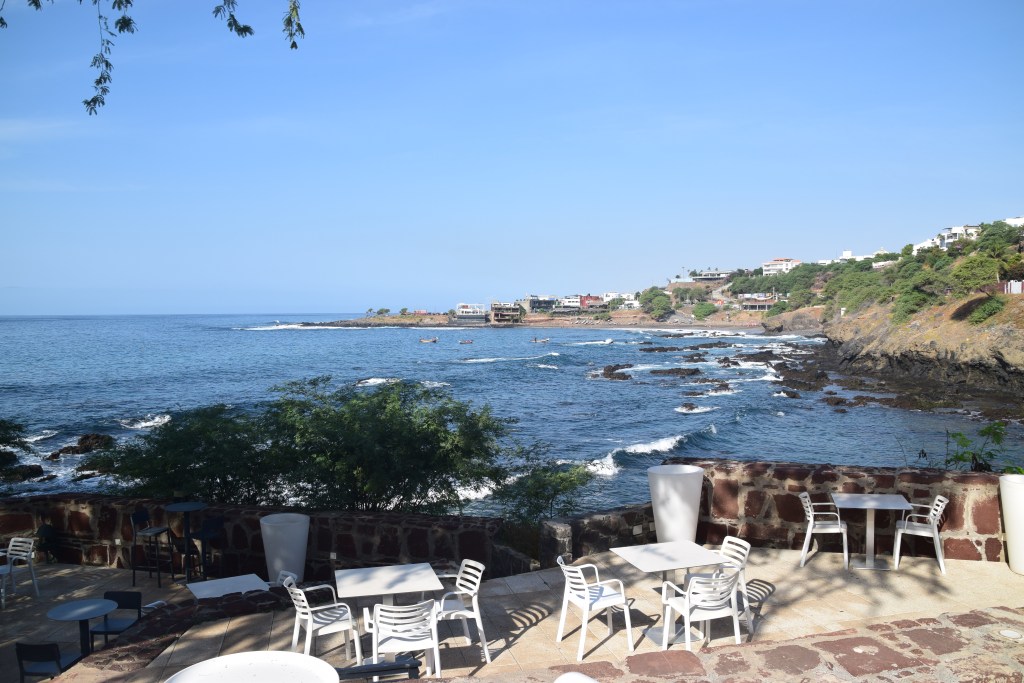
Of course I had it wrong. The cliff top location is just an 20 minute walk from the Plateau in one direction and offers great views across the bay in the other. There’s a lovely pool area and an even nicer terraced bar for a nightcap. They serve a good breakfast and, as there is a selection of restaurants within a 5-7 minute walk, we didn’t dine in but lots of residents did stay and eat on the terrace.


So what did we think….
Praia was just OK (but I preferred Mindelo on Sao Vicente and even Santa Maria on Sal). I must qualify that by saying that everything was closed so I’m not making a fair judgement. This was also the only place we were advised not to walk at night – we ate in the city centre on the first evening and taxied home and then discovered a strip of restaurants at a beach close to the hotel so we dined there the following night and could walk back to the hotel.
Would we go back? I know there are interesting things to see and do around the island that we missed out on but, to be honest, of the 4 islands we visited, this is the one I’ve no interest at all in returning to…
I DO know though, that if we’d left Santiago out of our schedule I’d always think we’d missed something so there’s that at least!


A shame you didn’t get to see more of the island. We had a long and fascinating day tour which took us the full length and included several really interesting sights 🙂 In particular Tarrafel Camp (https://www.toonsarah-travels.blog/campo-da-morte-lenta-camp-of-the-slow-death/) will stay with me forever. But at least you got to Cidade Velha which was the other highlight here for me.
I knew about your day tour Sarah – I remember you being particularly taken with the camp. We’d decided on a day tour in Sal and a day tour in Santiago before we set off at all. But things happen – could have been a lot worse and yes if I’d to opt for one I’d have gone for Cidade Velha anyway…
PS — I don’t seem to be getting your posts at the mo – I resubscribed yesterday just in case (just letting you know I’m not ignoring you!!!)
We stayed in Cidade Velha when we came back from Fogo, such an interesting little town with more history than it deserves. I think our favourite “bit” of Santiago was staying in Tarrafal for a few days, great hiking, great fishing tradition, great little town.
You’d a far more interesting trip than us!!! I’d have liked to have at least seen Tarrafal on the day trip – But actually reading your comment – Fogo and Tarrafal might be a reason to return after all (I think Tom might be keen on going back – especially if we’d another itinerary) – yourself and Sarah have given me food for thought there!
If you do, here’s some VERY STRONG advice. The flights from Santiago to Fogo and back get booked early so you would need to secure seats well in advance. We didn’t, and did it by ferry instead. And had THE WORST SEA CROSSING OF OUR LIVES. The story is buried in our Cape Verde posts – if you want to read the story of a boat which I christened the Vomit Comet. Our advice re that ferry : DON’T DO IT!!
That’s awful! It’s probably long enough anyway so if its a bad crossing – nightmare! But it sounds like it should be the nicer way to do it…
Four hours, no outdoor deck, all trapped in seats, everyone being sick. …..
And did you do both ways???!!!!
Yes. The trip over was flat calm and lulled us into a false sense of security, the return journey was the ordeal!
Ah but just imagine if it had been in reverse — you’d have been dreading the return the whole time you were there!!!
True!
Beautiful images!
Thank you – I’d more than expected when I went through them….
That’s always a nice surprise. 😊
It’s a shame that the god’s wreaked havoc with your trip and you didn’t get to enjoy the best of it. As you say though, better to have been than have missed it and wonder what you’d missed.
Well – reading Phil and Sarah’s comments, maybe I’ve been a bit unkind!! One thing I know for sure at this time of life is ‘never say never’!!! So, who knows Jason – I may eat my words and return some time for another look!!!
Thanks for the post. I love reading about and seeing pictures of places I haven’t been.
Steve
It’s a long way from Denver Steve!!!
Such a shame you had travel chaos on this leg of the journey – but given you didn’t love the island, maybe everything happens for a reason 🙂
It could have been a lot worse – and that was really our main hiccup – no illness or anything – that would have been a whole lot worse..
It’s hard not get frustrated with travel changes like that, especially with a ll the time spent planning!
I got the message at Gatwick Airport as we were queuing at the gate – so really couldn’t think clearly about options – wasn’t a lot we could do anyway…
Looks fascinating actually, though with a dark past. I hope the slavery aspect is acknowledged with appropriate respect for the victims. The old church only recently discovered. The irrigation and self-sufficiency project. All beautifully documented as usual.
Thanks Roy – they are mindful and respectful of their past. Also, a huge percentage of their visitors come from Portugal – so they don’t seem to harbour any grudge (that we’re aware of at least). I love the idea of that church being uncovered so recently – no doubt there’s more to be discovered in the area…
Sorry to hear about your change in schedule which didn’t leave you much time to explore Santiago. Looks like you made the most of it though. And sounds like maybe it worked out for the best since it didn’t really captivate your attention.
I’d say that given more time, the place would have grown on me and I’d have written a completely different post!!