
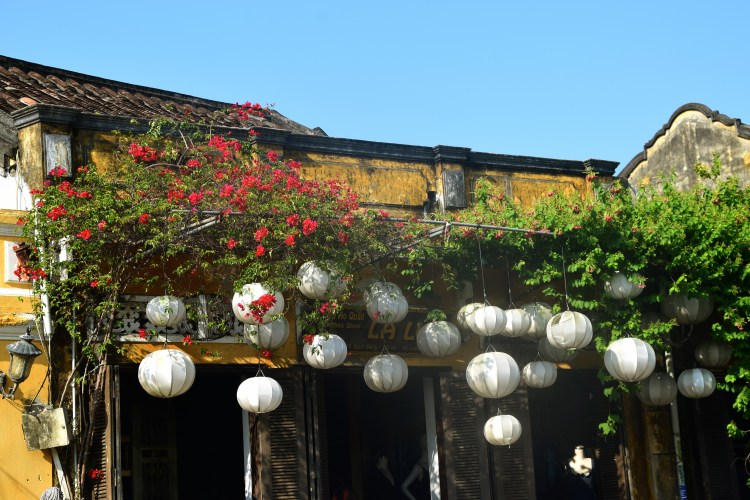
I made up my mind, before I even set foot on a plane, that I wasn’t going to like Hoi An. Definitely a tourist trap, terribly overcrowded, undoubtedly full of aggressive touts and sounding more like a theme park than a traditional town. But – it had a few things going for it – it’s centre is relatively small, it’s a UNESCO site and I like lanterns! And sure it’s just for two days!
And, skipping to the chase – I came away, not exactly in love with some aspects of the place but with an appreciation for what has been preserved and achieved……..

Long before the busloads of visitors (and, heaven help us, influencers), Hoi An had a story. Starting off as a small 2nd century trading post, its location on the Thu Bon River near the Cua Dai estuary was ideal for maritime business and so the town grew into a prosperous international port between the 15th and 19th centuries. Traders from Japan, China, and Europe stopped to exchange goods, many staying on to establish communities and thus creating a melting pot of culture, architecture, cuisine and religion. Later, the French stamped their style on the town with colonial two-storey brick buildings featuring yellow walls, louvered shutters and wrought-iron balconies – often blended with traditional Chinese elements.
By the start of the 19th century, calm waters and predictable tides weren’t enough to maintain trade – silt was causing serious narrowing of the waterway and larger vessels could no longer navigate and dock. The town was further hit when the French colonial administration chose Da Nang, some 30 kms away, to develop as a major port. Depopulation would follow, as wealthy merchant families – particularly the Chinese – began to relocate.
No longer a major economic player, the town was left to stagnate – and this abandonment helped preserve its traditional architecture and lay out. Hoi An – as most towns in the country – was badly damaged during the Vietnam War. Afterwards, as in the spirit of the time – the town was due to be rebuilt in the utilitarian style, with apartment blocks replacing the old houses.
But – thankfully – up steps one Kazimierz Kwiatkowski!
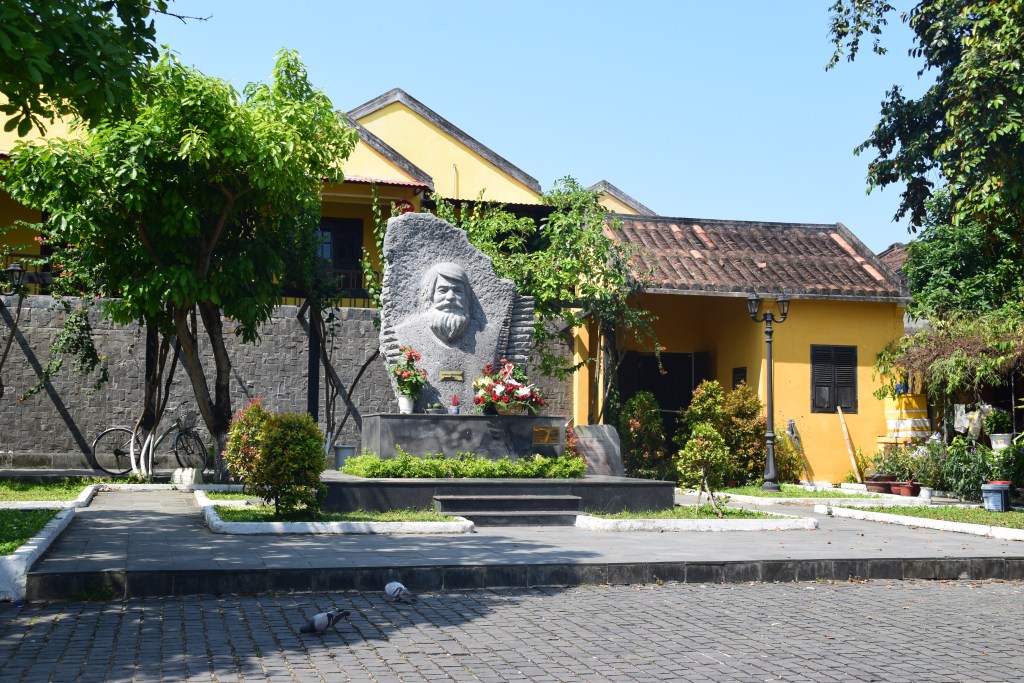
The Polish Kwiatkowski studied architecture in Krakow, developing an interest in city planning and conservation. After the war, he was named head of a joint Polish/Vietnamese mission charged with restoring monuments in central Vietnam. He was the first to appreciate the special historical value of Hoi An – recognising the significance of more than 1,100 wooden houses, the religious buildings, the original grid plan of the streets and the location – and lobbied the local government who eventually agreed to restoration. The town centre was designated a UNESCO World Heritage Site in 1999.
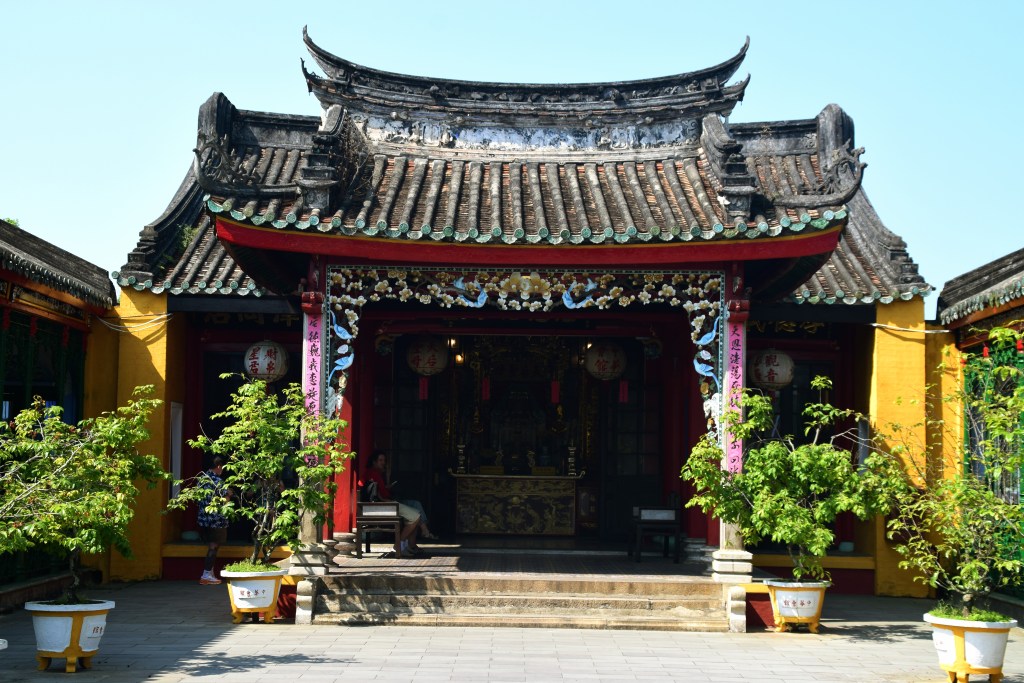
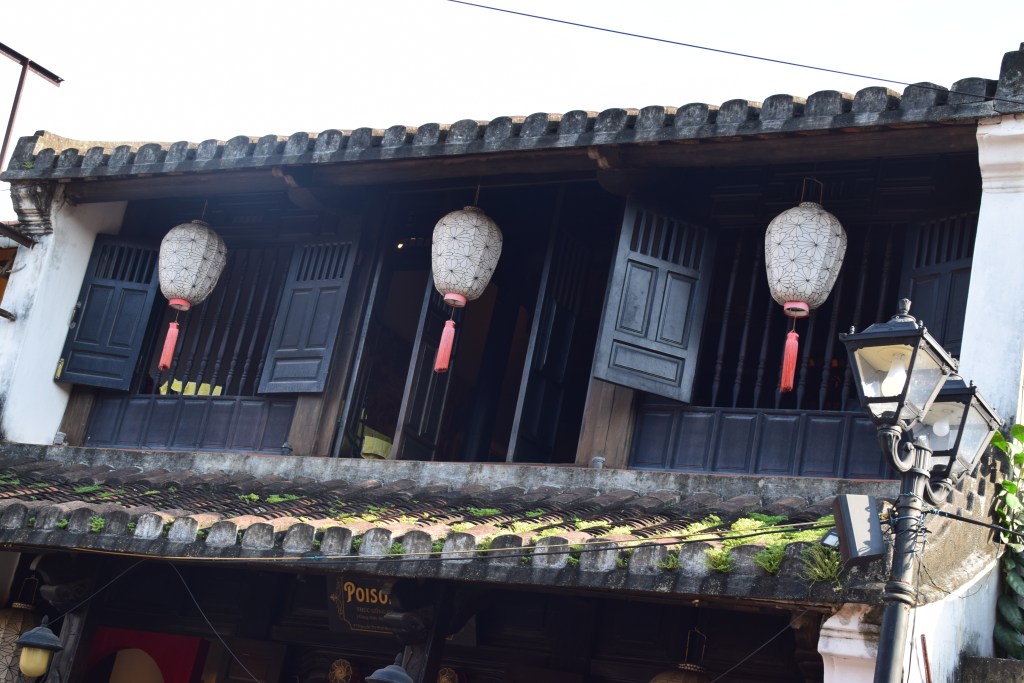
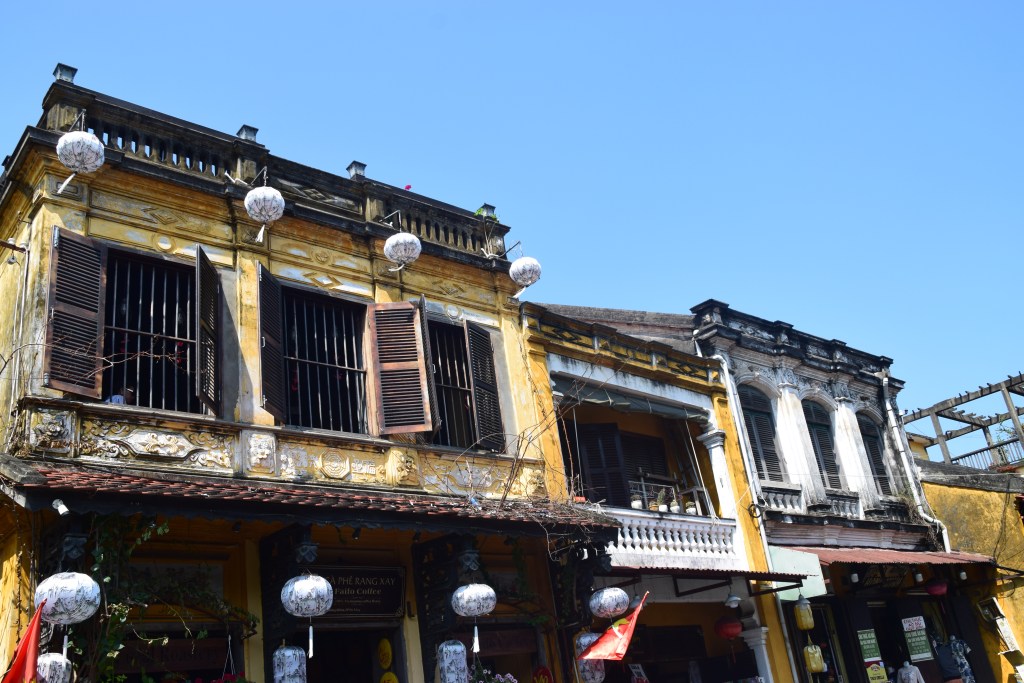
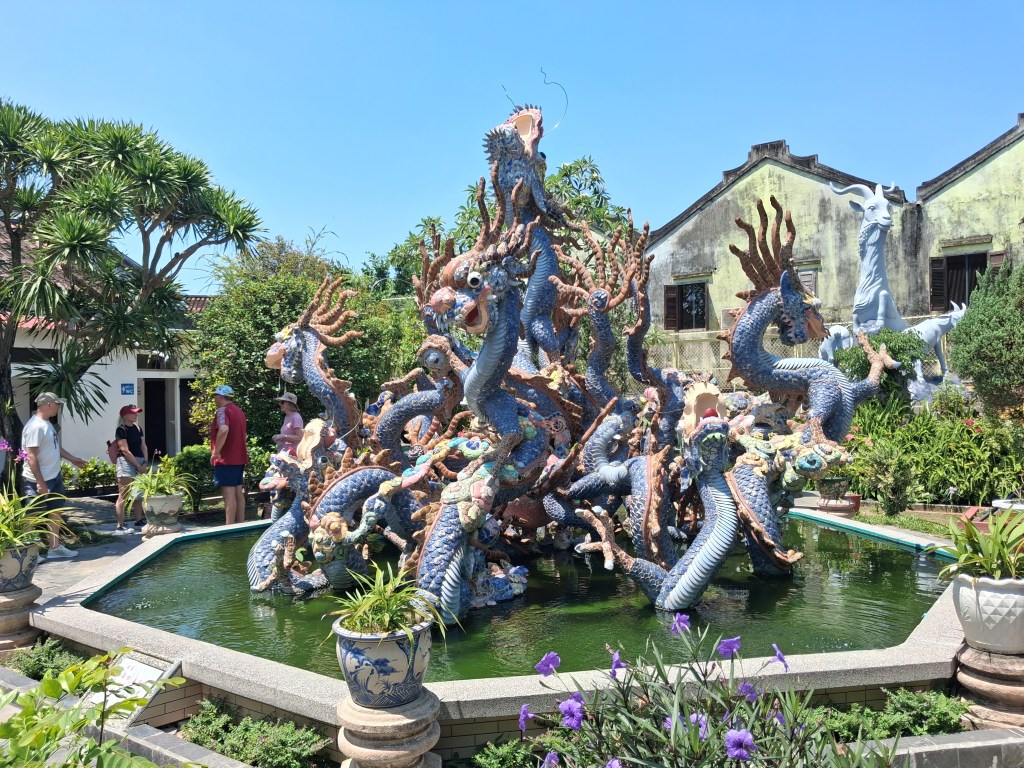
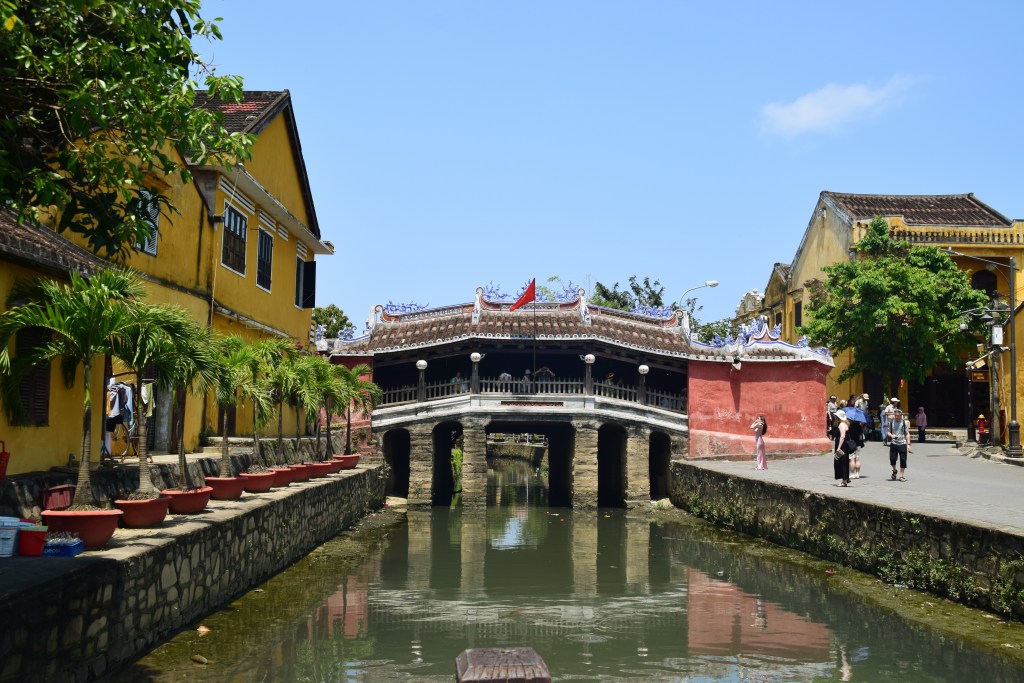
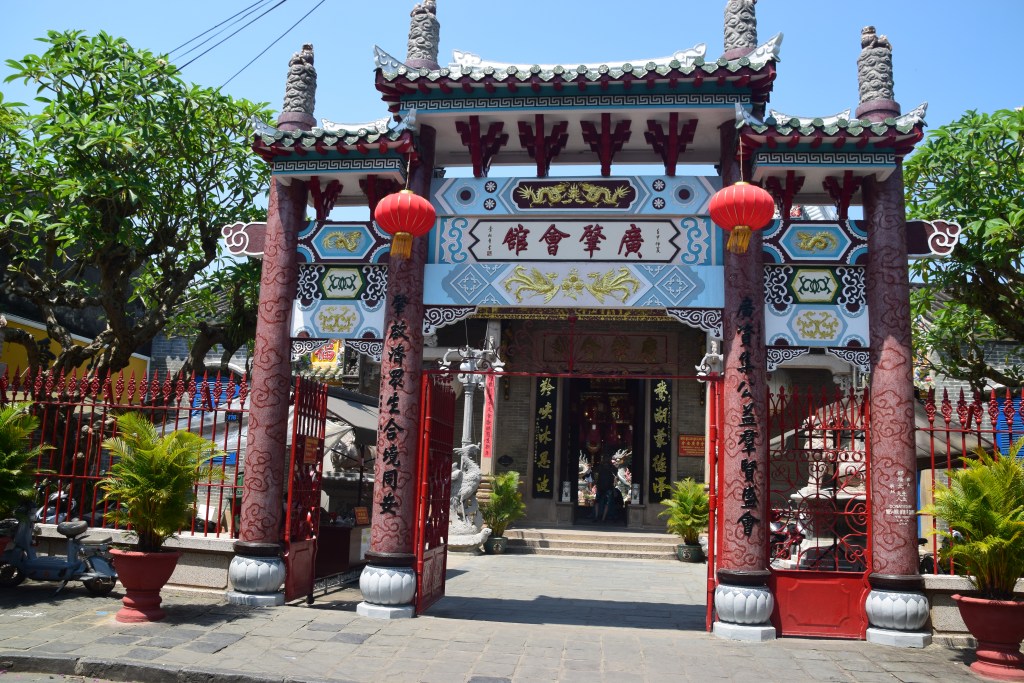

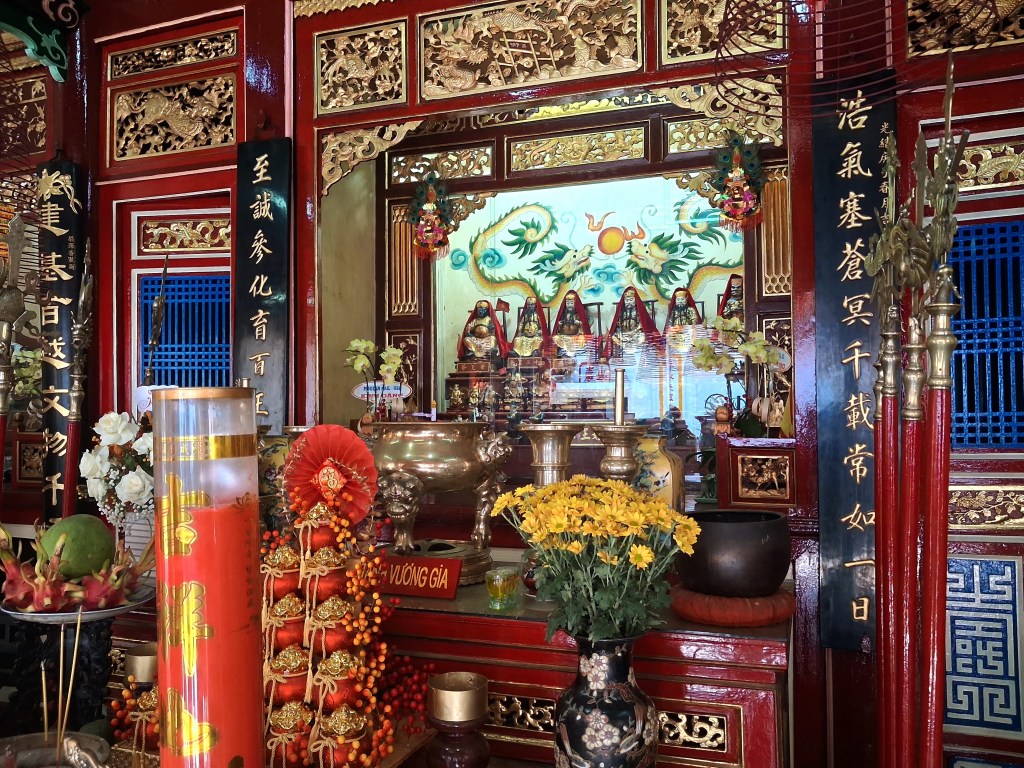

So, the town was not artificially created for tourism. But Kwiatkowski saw the potential and famously told Hoi An locals that their town would one day be a ‘goose laying golden eggs‘. The boom has indeed brought great opportunities for local families (and migrants of course) who have established shops, restaurants and businesses around the tourist trade.
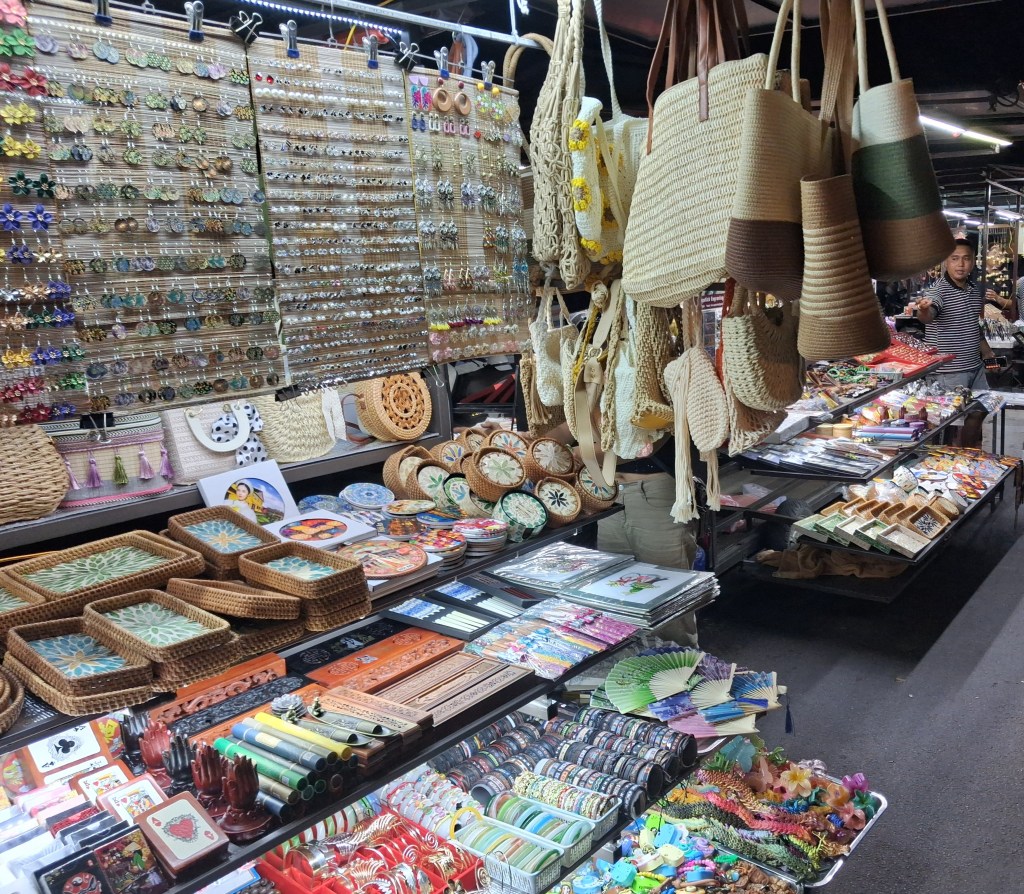

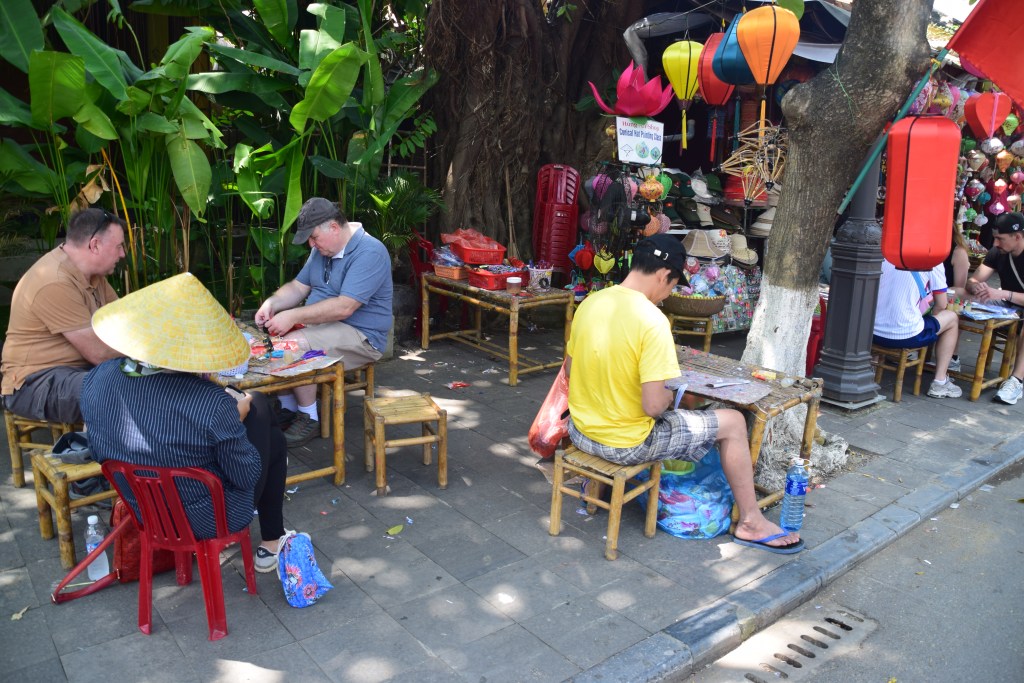
And Hoi An IS lovely – particularly in the morning before the crowds descend. It is possible to enjoy the colours and architecture, the coffee shops and air-conditioned stores (fixed prices!) in relative comfort. You can even sit and design your own lantern!
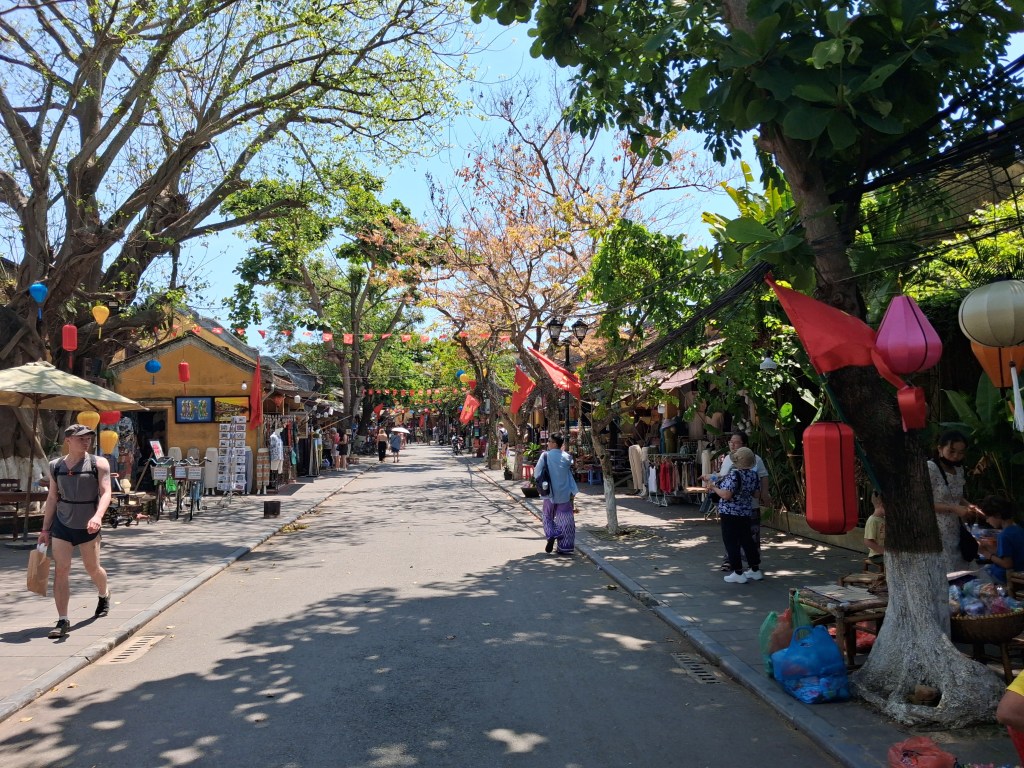
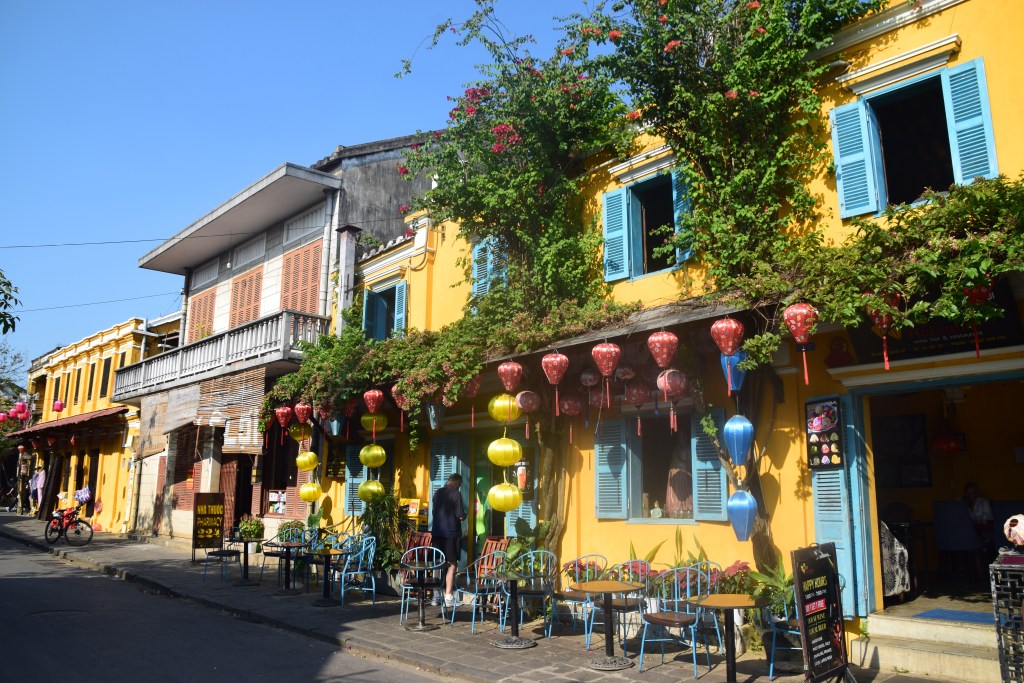



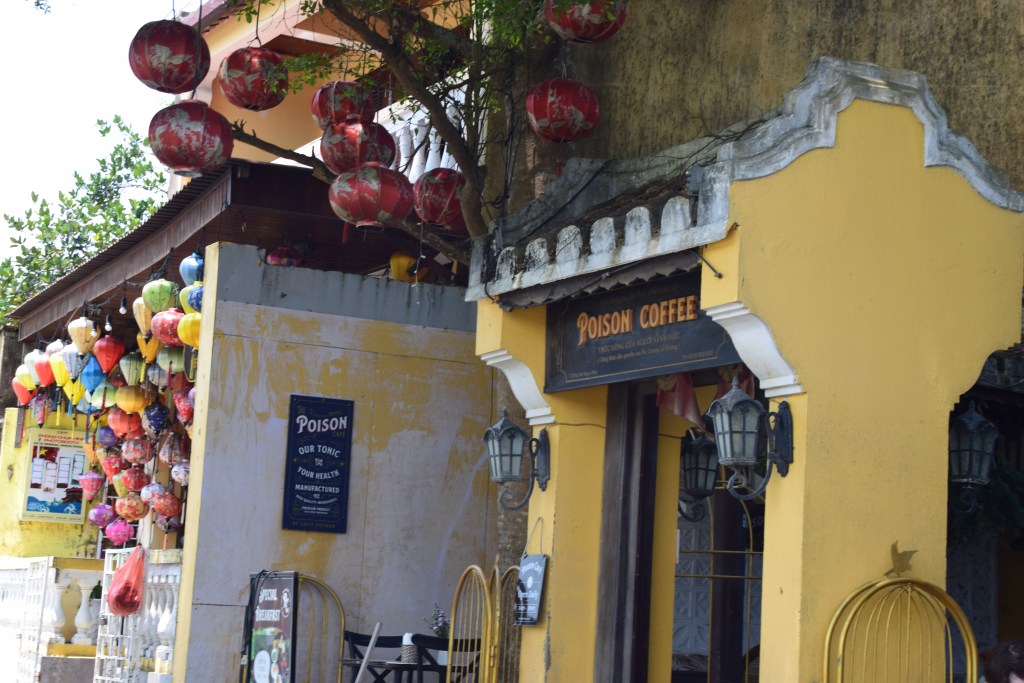
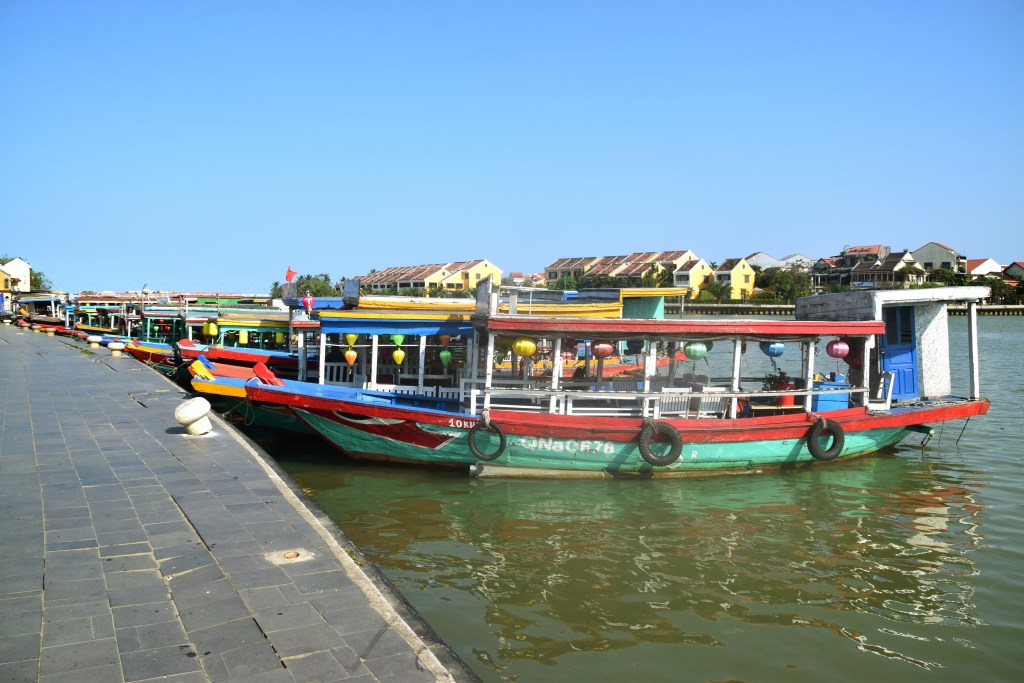
It’s pleasant enough along by the river promenade when you’ve had your fill of the 20+ pagodas and shrines (of course there are plenty more scattered about the wider district for the true enthusiast!). You can admire the boats which are resting and awaiting the evening rush. You can even have a peaceful lunchtime pho or noodles at a stall in the market if you time it right.
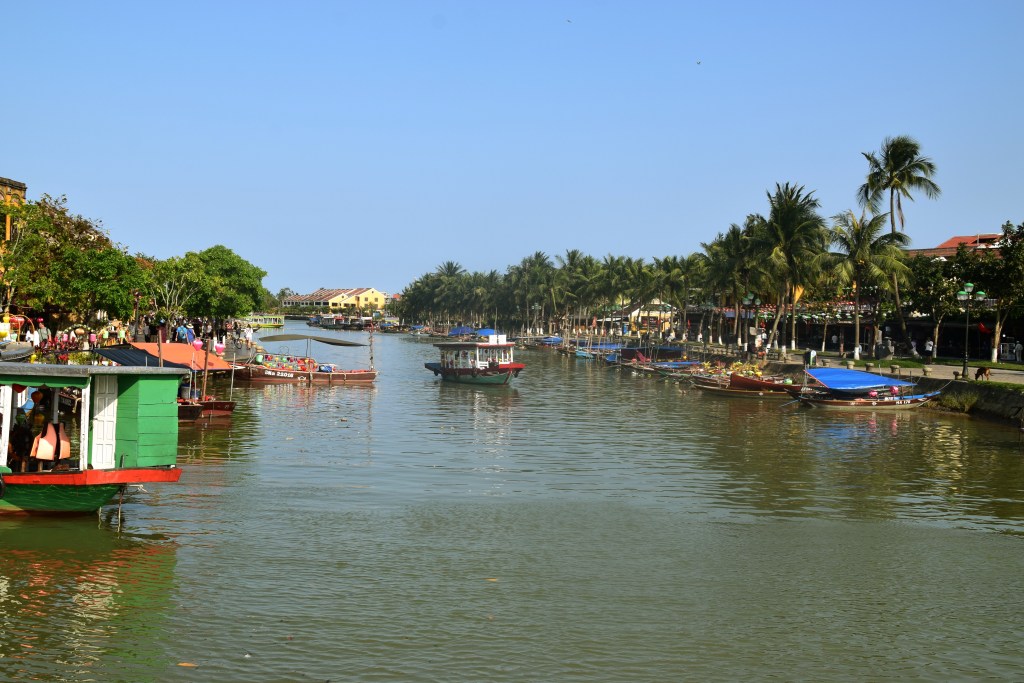
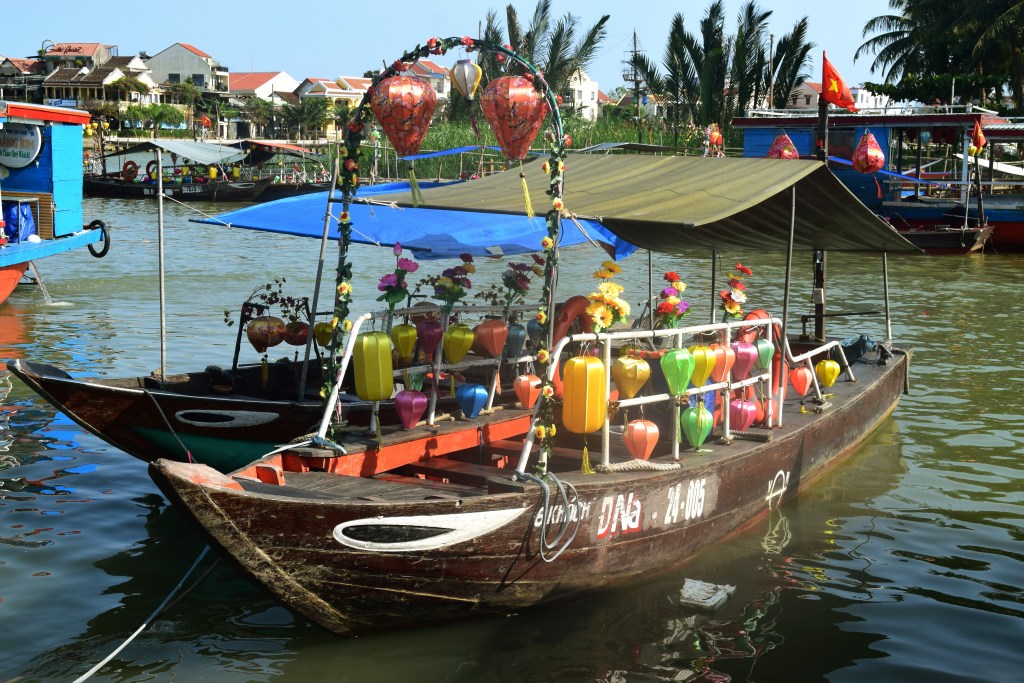
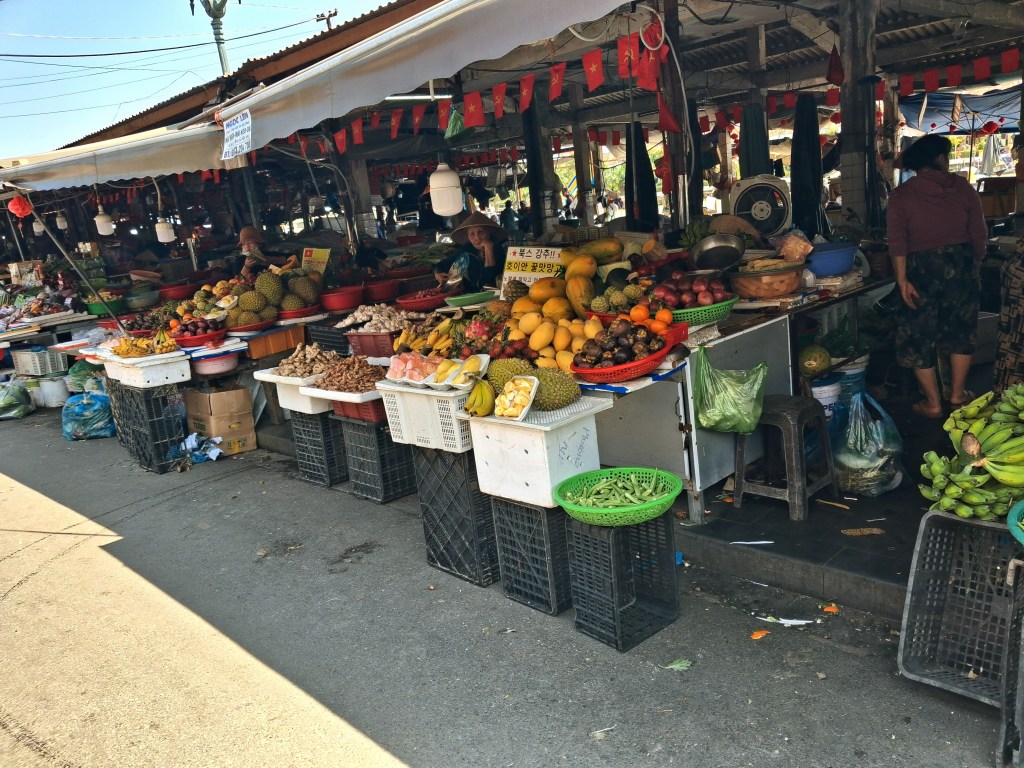

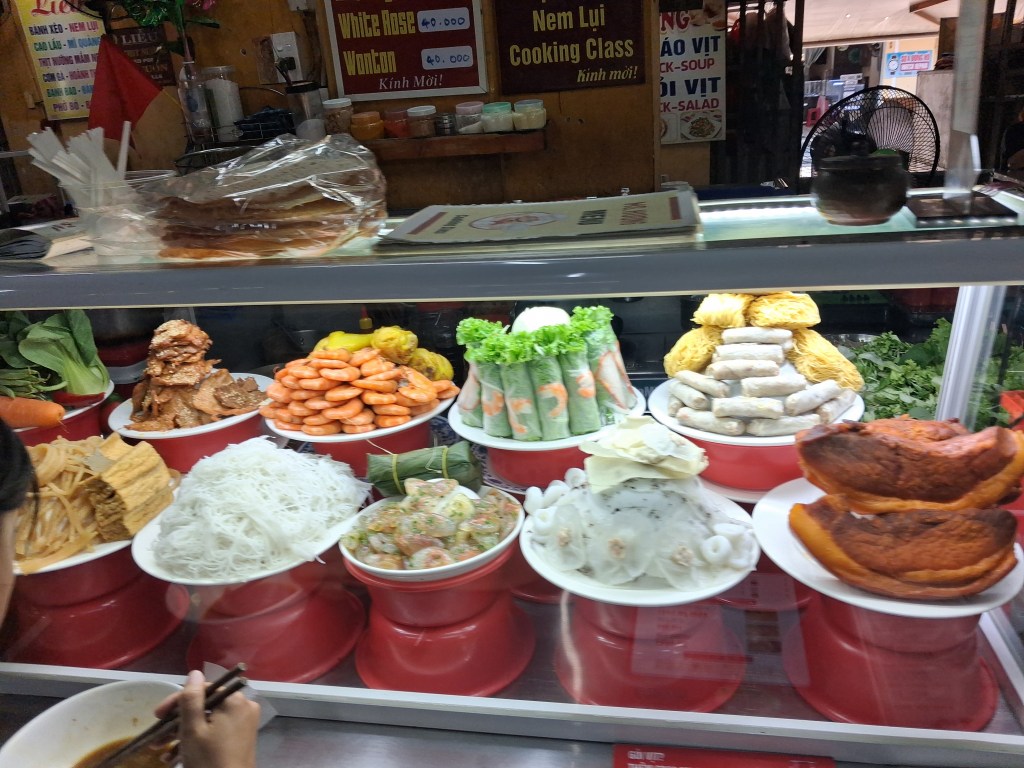
As the day progresses and the busloads of visitors pour onto the no longer quiet streets, the hard sell is ramped up and unlicensed vendors (many of them quite pestering) flog boat trips, food and souvenirs. Sunset approaches and the riverside and bridges become impassible with crowds awaiting the lighting of the lanterns or heading for their boat trip. (The tradition of floating lanterns on the river during Lantern Festival used to happen only with the full moon. But, business is business and nowadays it’s a nightly event).

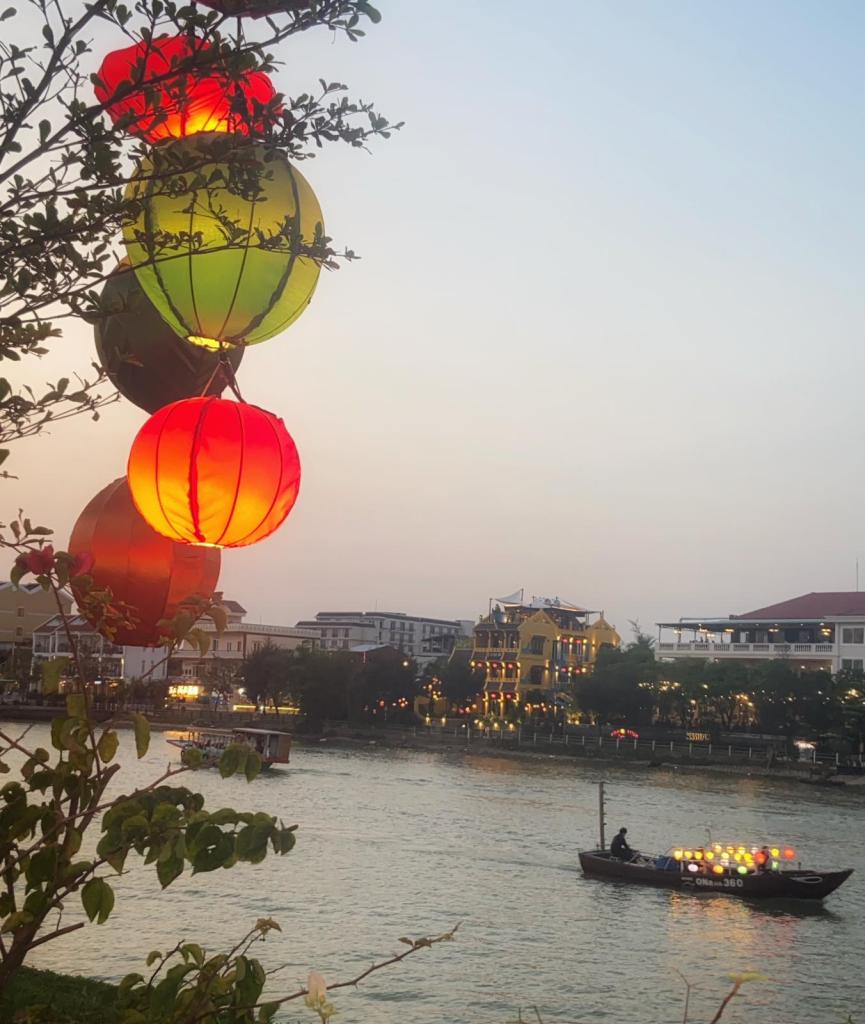

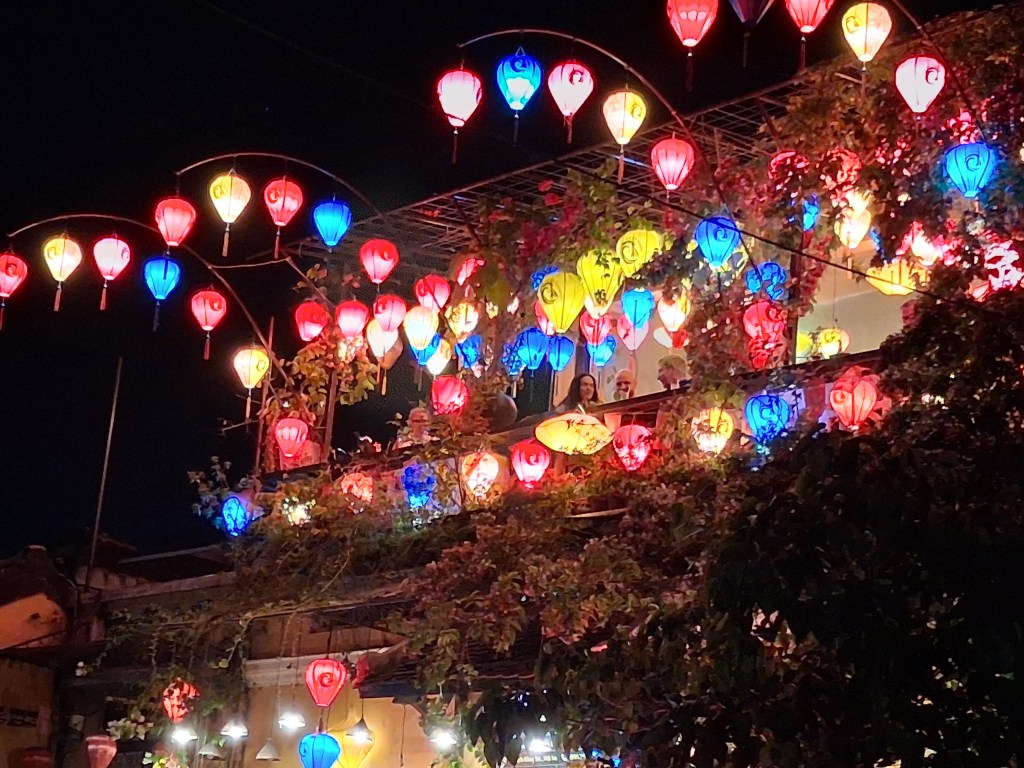

Of course, when you visit Vietnam you’re going to Hoi An. And you should! Just remember that its preserved district is concentrated within a few streets and can be overwhelming at times. I wouldn’t enjoy it as a day trip – better to spend a few nights here and get the feel of the town without the crowds – there are tour and beach options aplenty anyway to while away the busiest hours. Adjust your expectations and you’ll have a wonderful time (unless you hate lanterns!!🏮)
We visited Hoi An 15 or 20 years ago. It was popular, but not crazy with tourists. We didn’t see the lanterns because there was no full moon😊 Glad you were able to find a little of its charm despite the crowds. Maggie
Ah – my brother was there back then… a different experience. Actually we’d a lovely time – and it was the best shopping of the whole month … except we were only a few days into the trip so held off til the end.. never a good idea!
Glad you found a way to enjoy your trip. Your photos are lovely. 😊
Ah we did indeed – and we’d been prewarned about the evening time so could avoid the riverside at its worst – it was fine again later when the crowds had dispersed
Hoi An is undoubtedly touristy, but it’s also undoubtedly beautiful! As Hungry Traveller Phil is fond of saying, places become touristy for a good reason! We were perhaps lucky that we were there just as Covid started to make itself felt, so tourist numbers were way down (China had already closed its borders). There were few day trippers and although the streets were busy nowhere felt too crowded.
We were interviewed one morning by a local TV news team who were doing a story about the concerns of those involved in the tourist industry regarding the potential impact of Covid on their businesses. They were looking for visitors like ourselves who were happy to say why they were still comfortable visiting and were unworried by the thought of Covid. We did so willingly, declaring it to be a non-issue and no worse than a cold, and felt very stupid a couple of weeks later when the full impact on the world began to become clear!!
Phil is absolutely right! And sure we love them all….
Communities like that must have been devastated during covid – how quickly we forget… The guides spoke about it last year in Madagascar but most of them came from rural villages and just went home and helped with the farming etc. None of us saw it coming – I was in South Carolina with a few pals and we were laughing at the empty shelves where the sanitizers should be… we got home just in time…
We had an enterprising guide in Madagascar who’d set up a business with his wife during COVID making and selling baby clothes online! I think he was glad to get back to guiding but I believe she kept it going even after things opened up again
I hope it worked out for them…
Hoi An is beautiful and I’m sure it won’t be changed too much by tourism. I was there in 1995 and it was just beginning to attract a few tourists, mostly Chinese, Thai and a few Fench. Agree with the quote about touristy places. They are rather like cliches, they are cliches because they are true. Your interview and the Covid remark made me chuckle. We’ve all been there.
Ahh….we love Hoi An. Especially the cao lau! But, you are correct that the best time is the morning before the day tripppers arrive. (But people watching entire families dressed alike can be amusing….). I first visited over twenty years ago and the amount the city has changed is almost incomprehensible.
We never ate so well! We’d only one disappointing meal between 6 of us during the month. I loved watching the family outings – everyone looked so well – apart from us of course! Now that I’ve visited , I’d have loved to have seen it a few decades ago…
I take back everything good I said about Hoi An. 🙂 We are in Hoi An right now and it is miserable. I blame the heat. At 10 am, the “real feel” temperature is over 41 degrees. It is too hot to do anything during the day so everyone comes out when the sun goes down. The streets are so full after dark that we can barely move. It is too hot to eat at places without AC or powerful fans so almost every meal we’ve had has been tourist schlock. Ugh! That said, I would still give it another try during cool season when I could be out and about during the day….
Ah no!!!!! That’s awful!! It was hot enough in March but we still got out and about. I’m trying to think re restaurants. The first night we arrived late enough but got in somewhere across the river (away from the noise though!). The second morning we were passing a restaurant that someone had told us about the day before so we actually popped in and booked it for that evening and the 3rd night we went to the Hoi An Memories show (very good actually) and ate over there. It’s probably too hot to even head for the beach?
You captured so many beautiful photos, dear Marie. I like its beautiful old town and how there are lots of history, charm and a fascinating cultural fusion. Those vibrant lantern-lit evenings are beautiful, too. Thanks for sharing, and have a good day 🙂 Aiva xx
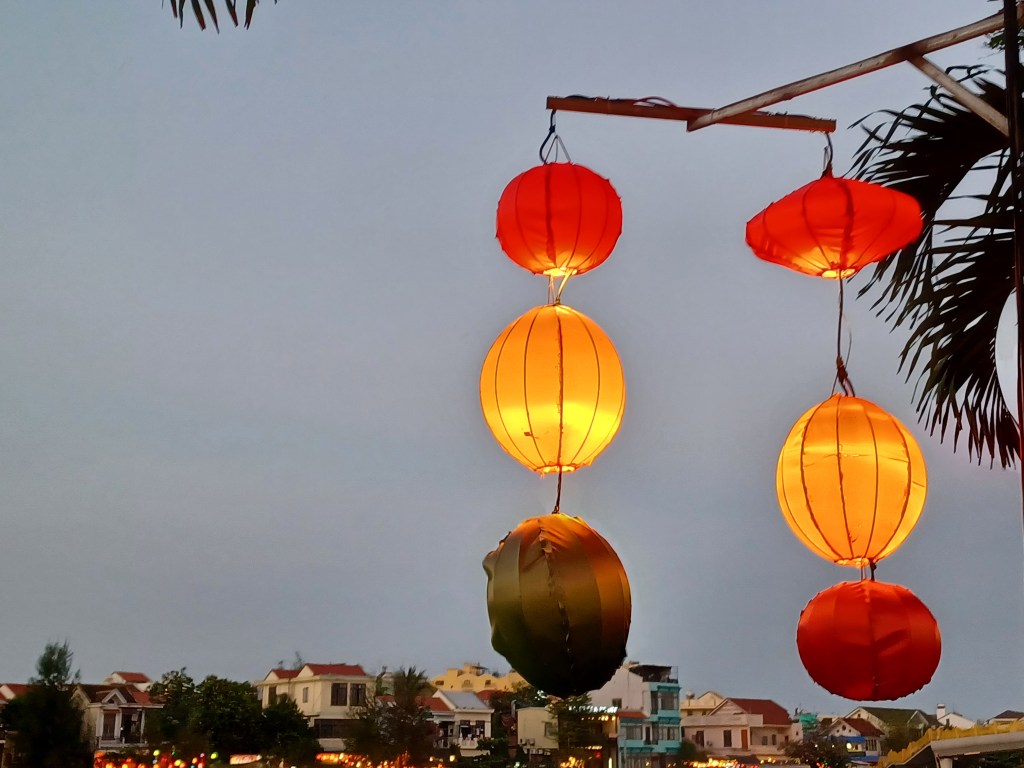
Thank you Aiva – the lanterns really are beautiful – even during the day when unlit… It was tempting to take a few home but they’d never last here would they! One shower and they’re finished!!
It is frustrating that social media has created over tourism in a lot of areas. Glad you got to enjoy some the city without the crowds! I love those lanterns too.
Ah! Influencers!! The posing was something else – we couldn’t get over it – it was everywhere! And absolutely no inclination to move on until the perfect shot has been achieved, regardless of how many others are waiting for the same view. And then the costume changes… ! If one could eliminate the influences and the touts it wold be fine🤣
Social Media and tourism is a double-edged sword. The lanterns look lovely. It;s funny how older people photogrpah the view, the younger ones photograph themselves in the view. Is anyone one really impressed anymore? If you want a beautiful location (mostly) unspoilt by tourism you cant beat West Donegal!
I reckon more than a few influences have founD their way up Slieve League, Emma!!!!🤣
What a lovely story Marie, really enjoyable and ‘proper’ travel writing with not a hotel, restaurant, swimming-pool mentioned. Your trip sounds wonderful and I’m sure the locals enjoyed your visit as much as you enjoyed them. I’m still amazed at how generous they are to their former enemies, lovely people. I’ve returned to short story writing as I don’t travel these days and my latest effort is a Vietnamese story. Sadly I don’t think it’s magazine type but I have high hopes for a nod from a competition maybe.
Well good for you Mari! I hope we’ll get a chance to read your stories sometime….
Lovely. It’s really tough that social media fame and hoards of tourists can do so much for a place’s economy but also damage it for locals and visitors. It’s so hard to get right. And I totally agree with your assessment on Hoi An, we felt the same on our visit 🙂
I wouldn’t like to have to sort it – you just couldn’t win in such a case. I was reading this morning about Athens – 700,000 population and 8 million visitors. It’s really not sustainable…
Your post brought back great memories of the time we spent in the colorful city. Thank you.
I must admit, my memories are already far more of the positive than negative. All that colour can only bring happiness!