
Everyone is complaining all week about the rain – horrendous showers with enough of a gap in between to trick one into believing the worst has passed! We’re hosting two new pals we made in Madagascar last year – they’ve been like drowned rats since they arrived from the US and Canada earlier in the week. But now they realise why we Irish constantly talk about the weather!!
Anyway – bad as it is, we haven’t had to revert to boats to visit the neighbours and commute to work!
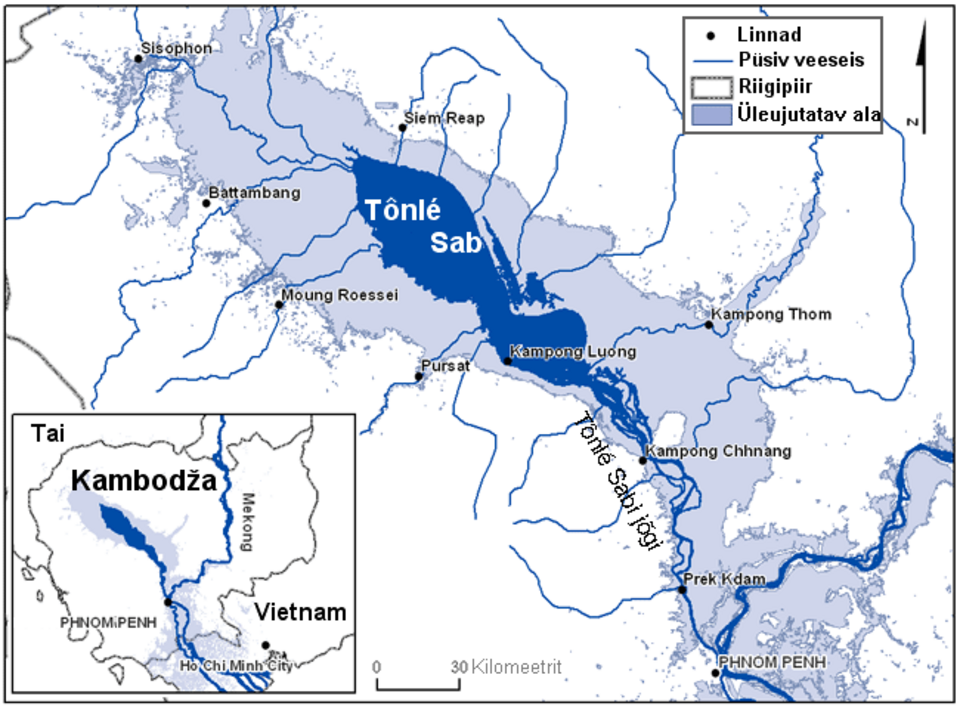
Imagine the Tonlé Sap River flowing from the giant Tonlé Sap Lake, along its rather modest 120km course, to join the mighty Mekong in Phnom Penh. All is fine during the dry season (Nov-May). But come the monsoon, the Mekong has enough to deal with and the waters of Tonlé Sap are pushed back – reversing all the way to the lake which can swell to six or seven times its size (and making it, for about 5 months of the year, the largest freshwater lake in South East Asia).
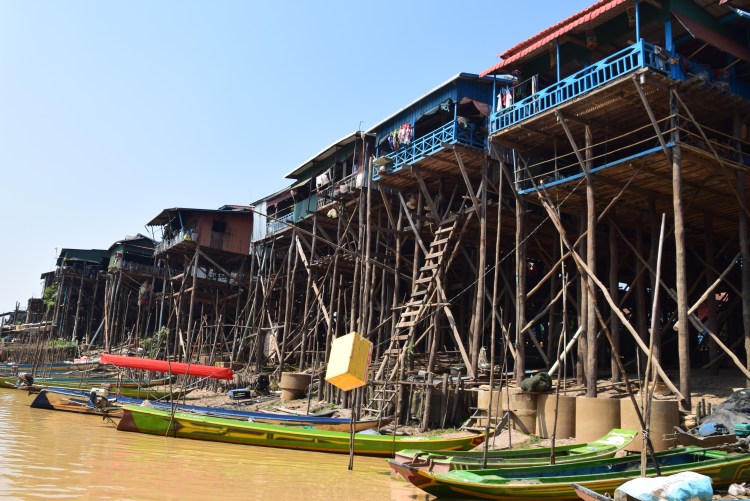
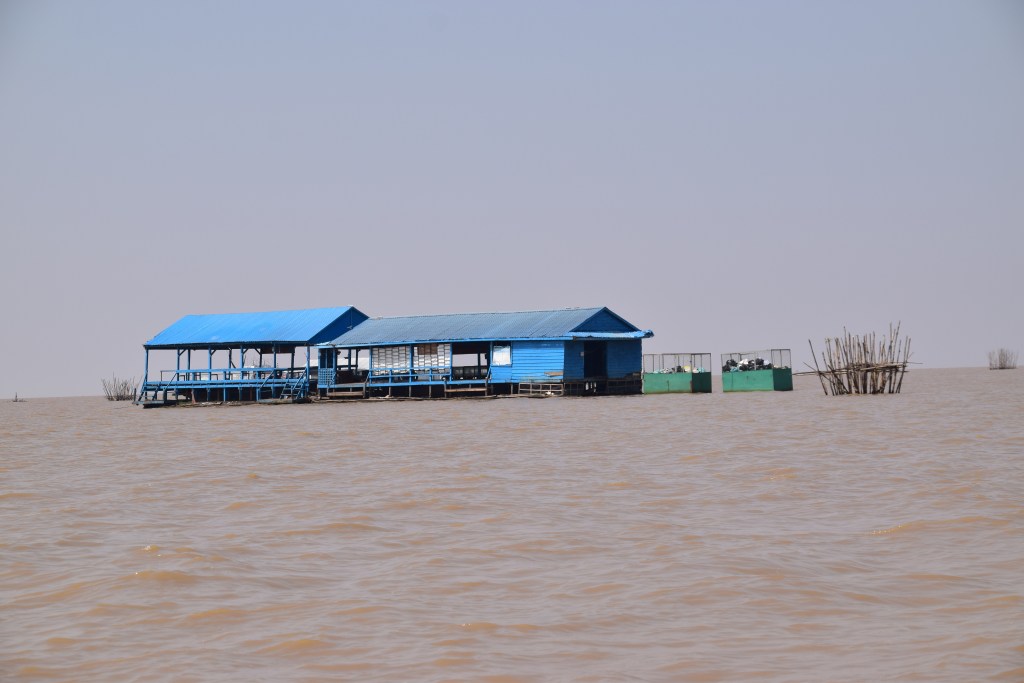
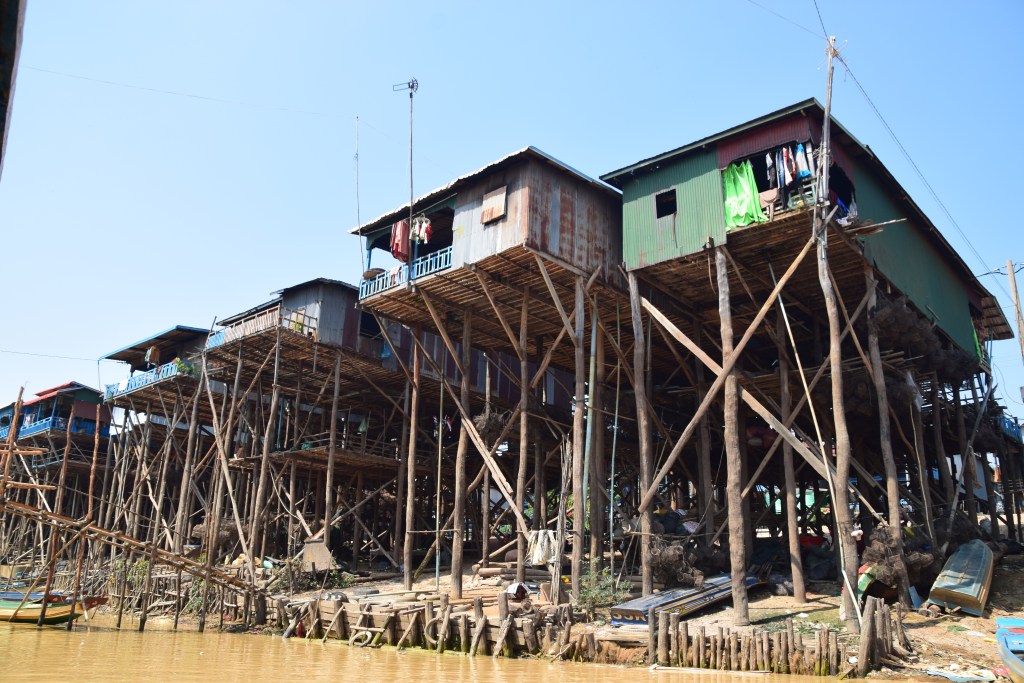
People have lived on Tonle Sap Lake since the time of the Khmer Empire in the 12th century. Adapting completely to the nature of the environment they live in, today, some 80,000 locals spend most of their lives floating on the water. Over 170 small communities live in either movable houses or permanent structures. Some homes and businesses are built on platforms which rest on empty barrels or bamboo rafts. They are anchored but can be relocated. In the stilted villages, the houses are high enough to remain dry during the wet season – long ladders allowing access when the water level drops.
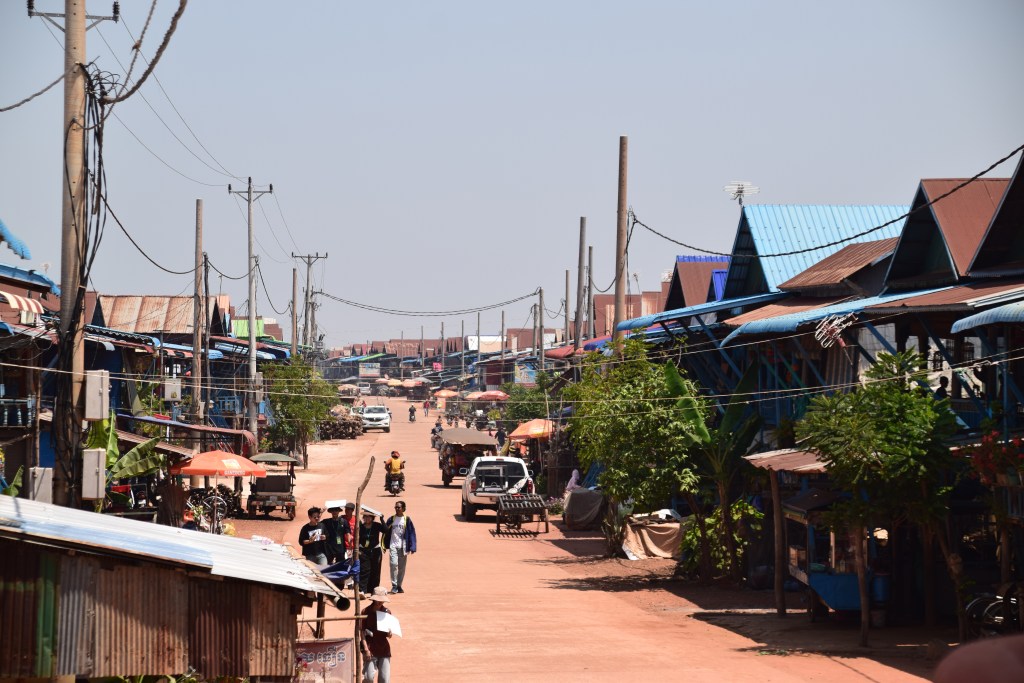
During the dry months, the roads between the stilted houses present a typical village going about its daily business – the usual household chores, traffic, shopping, offerings at the temple and children playing between the houses.
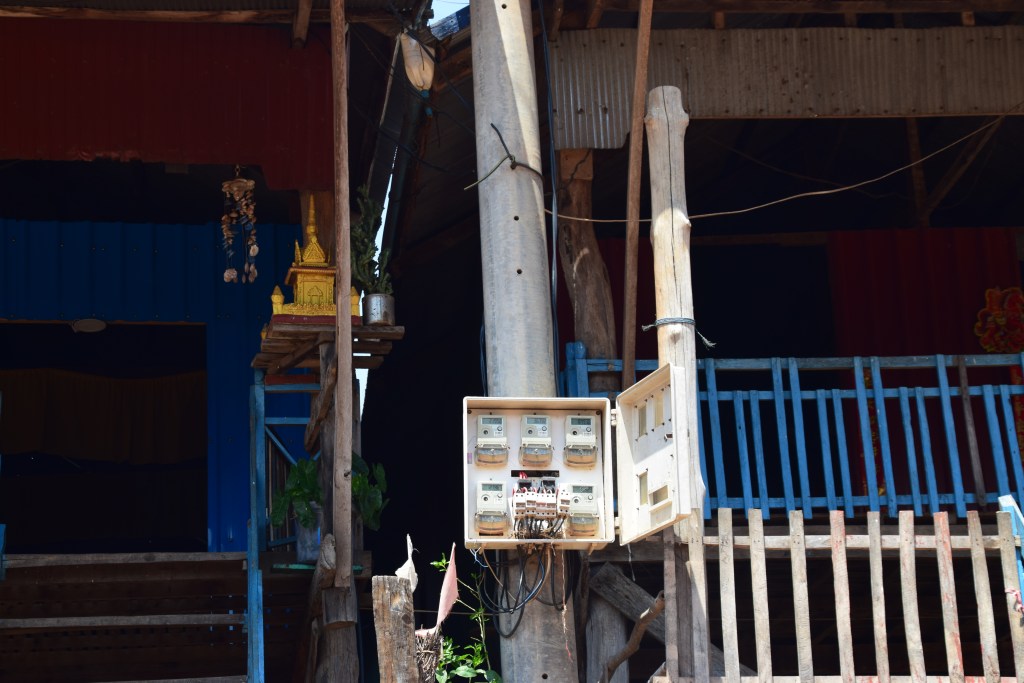
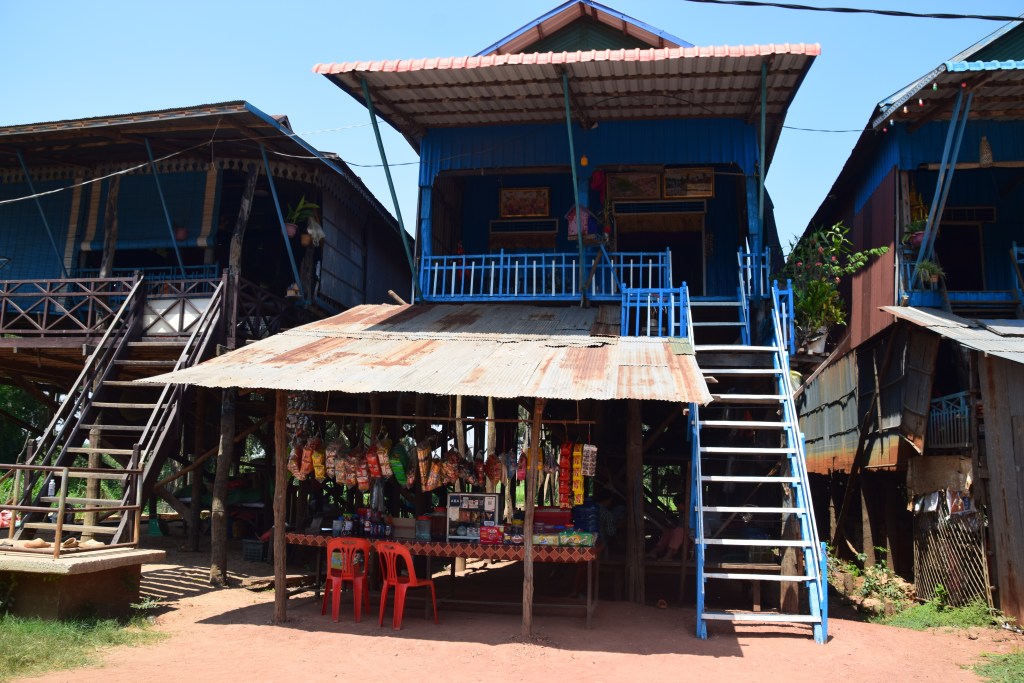


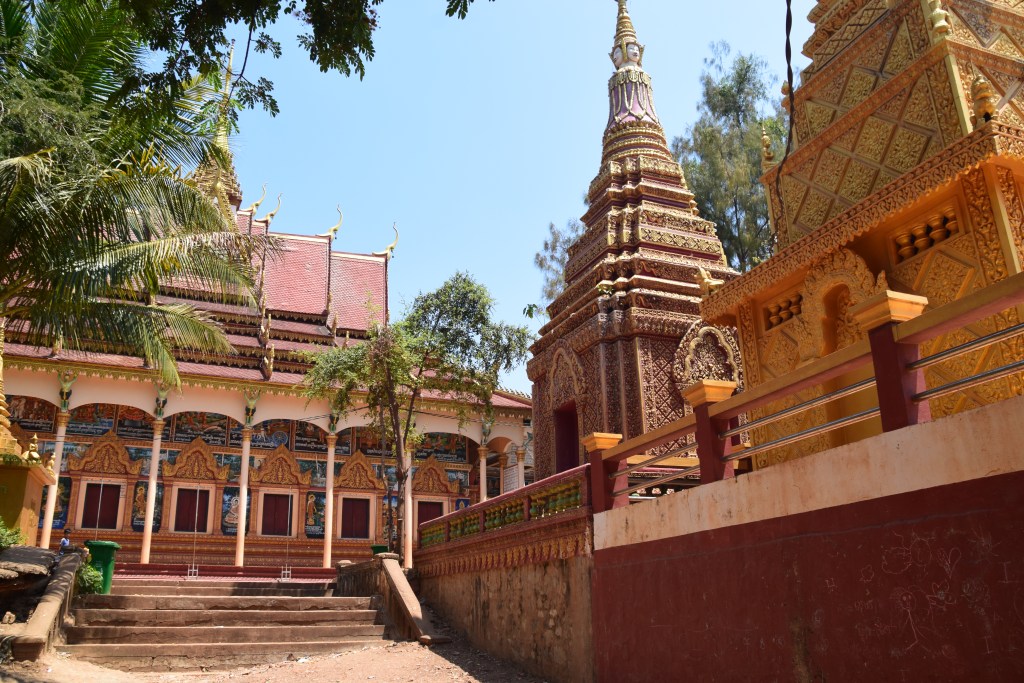
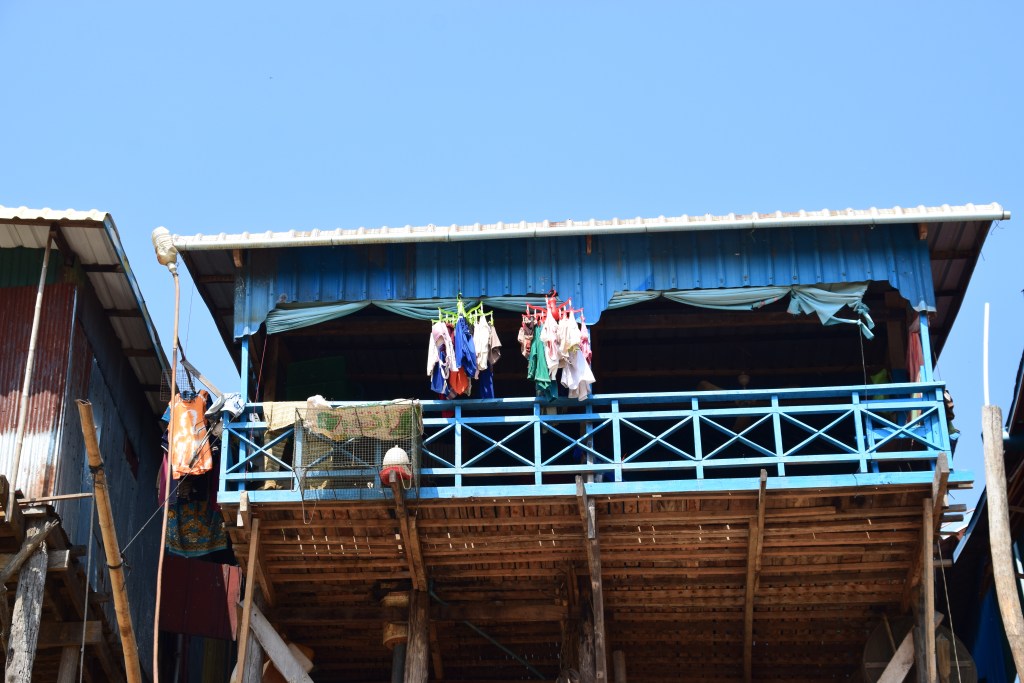
The globally unique phenomenon of river reversal has created a rich biodiversity and the lakes three habitats – lake, floodplain and swamp – support birds (225 species), fish (250-350), reptiles (40-60), mammals (40-50) and plants (200).
The mangrove forest on the edge of the lake is an important spawning and breeding ground for fish and is home to snakes, turtles, crocodiles and waterbirds.
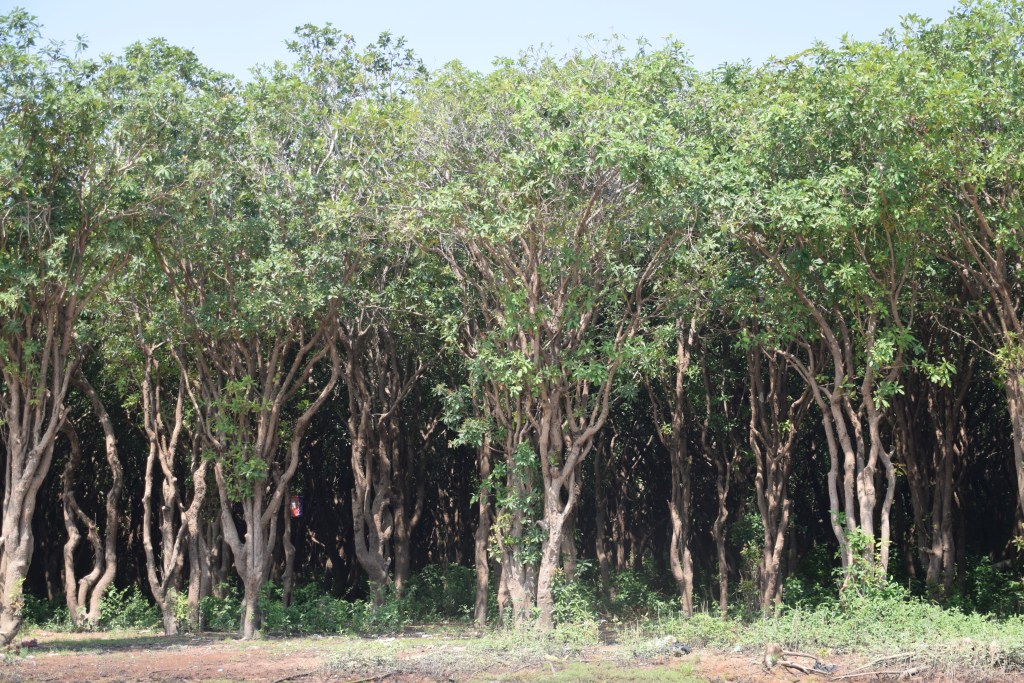
The silt deposited during flooding is extremely fertile, allowing for the development of several rice varieties and family-scale farming opportunities. But it’s mostly about fish here and the industry – both the sale of fresh fish and the processing of fish (typically smoked or converted in to a paste called prahok) – is the primary source of income for most inhabitants. The industry varies in size from large scale operations (although they are not heavily mechanised) to subsistence level.

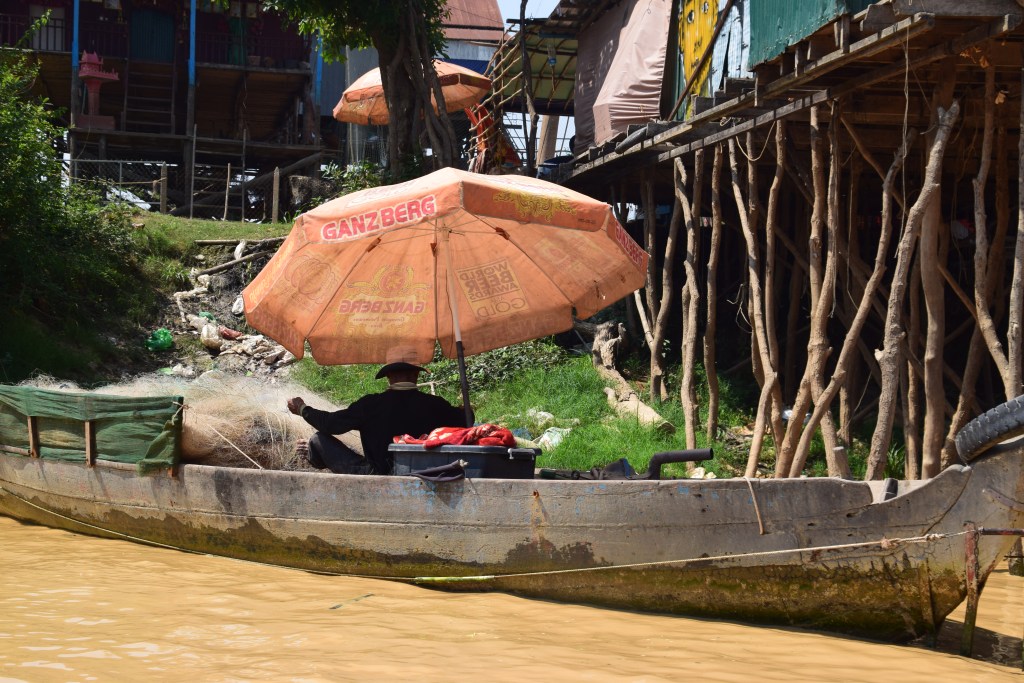
Some fish is for personal use…..
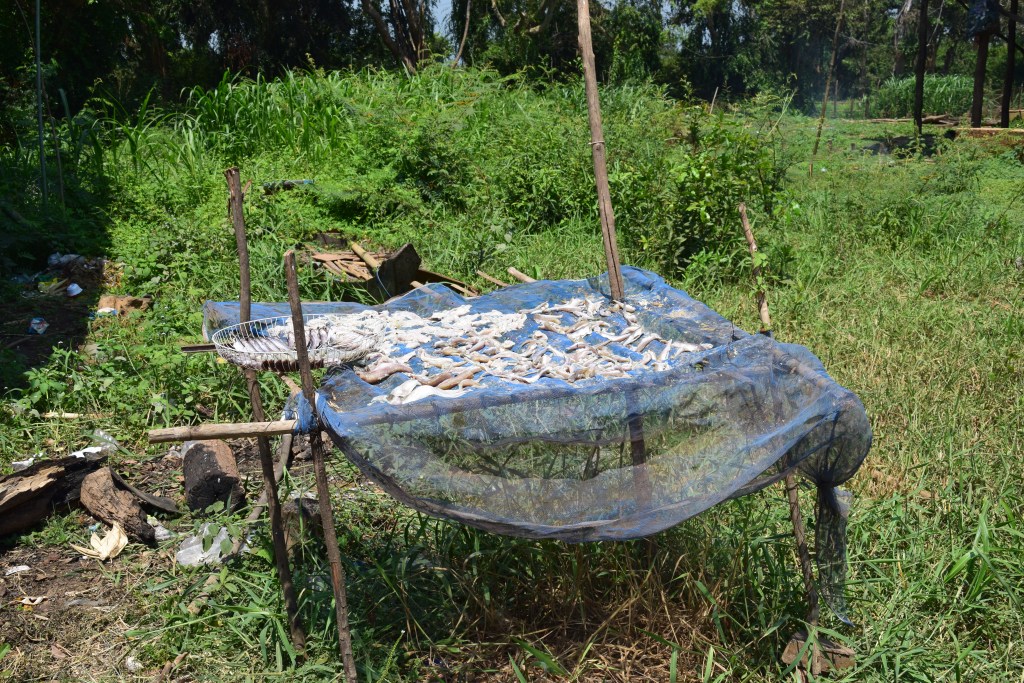
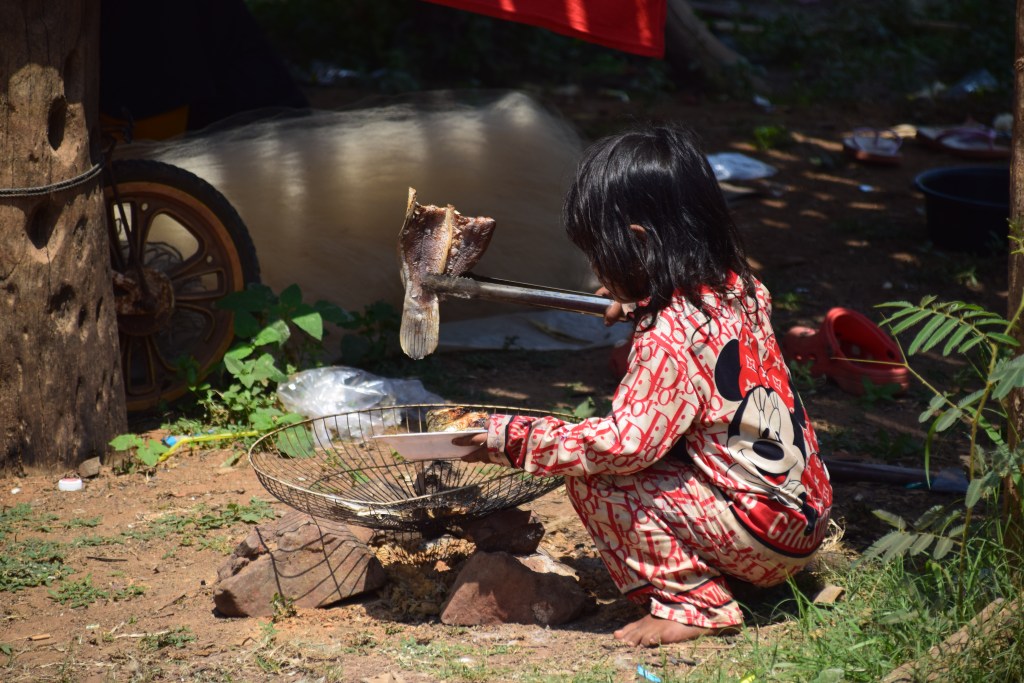
…but most ends up in the markets ……
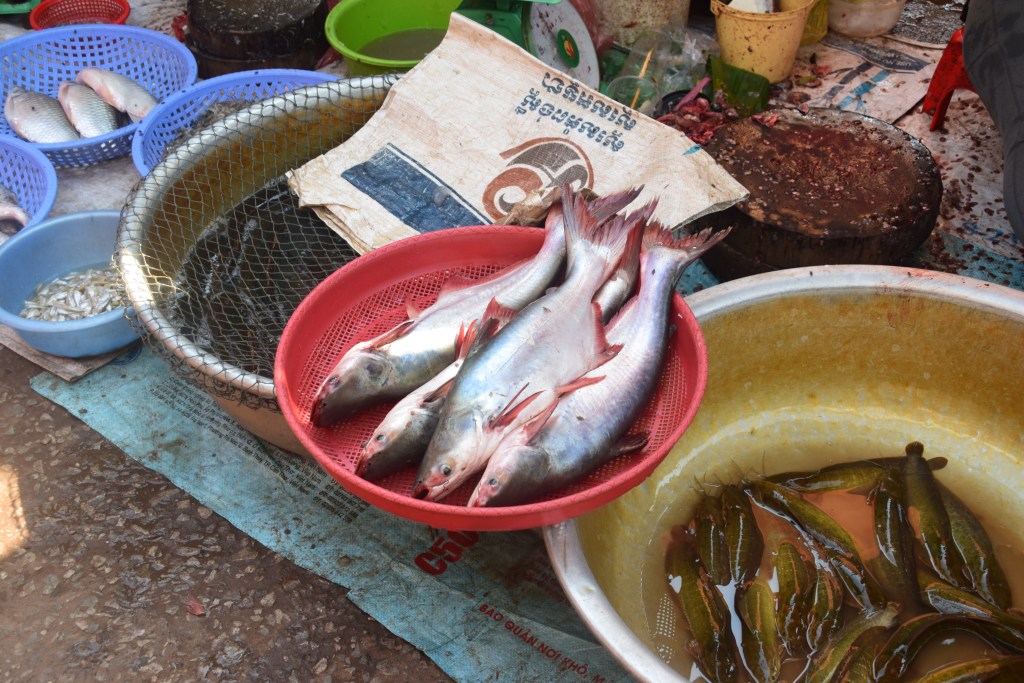
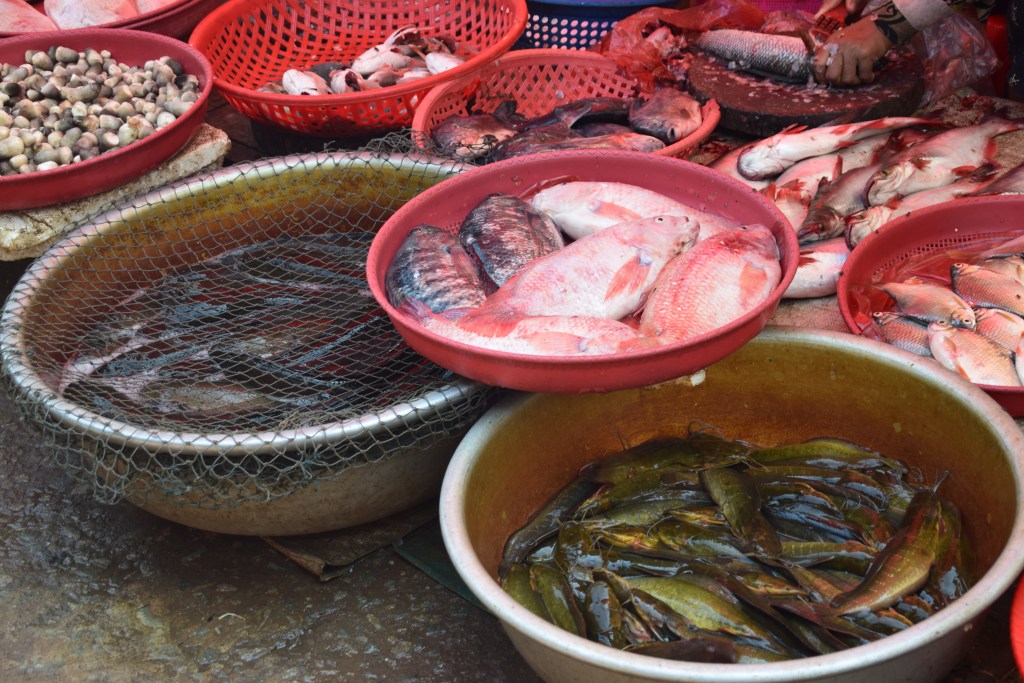

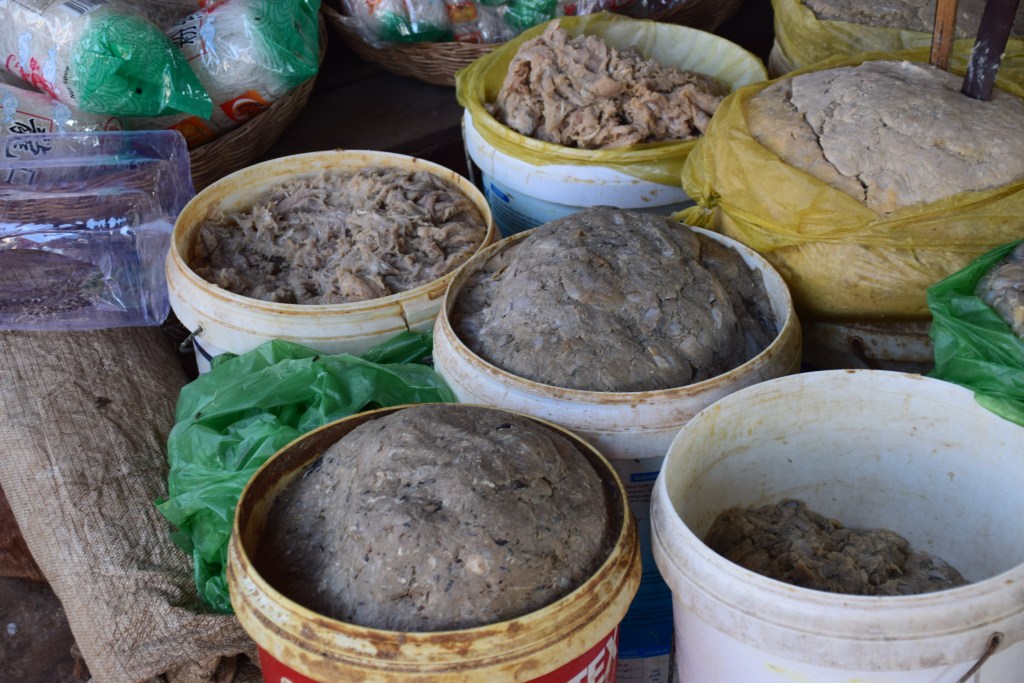
The best time to visit Tonlé Sap depends on your particular preference. During the dry season (Nov – May) you can see the towering houses on their stilts and walk about the villages. There is still enough water in the river to access the lake. To enjoy the experience of an actual floating village, the rainy season is the optimal time to visit (apart from the rain of course!)
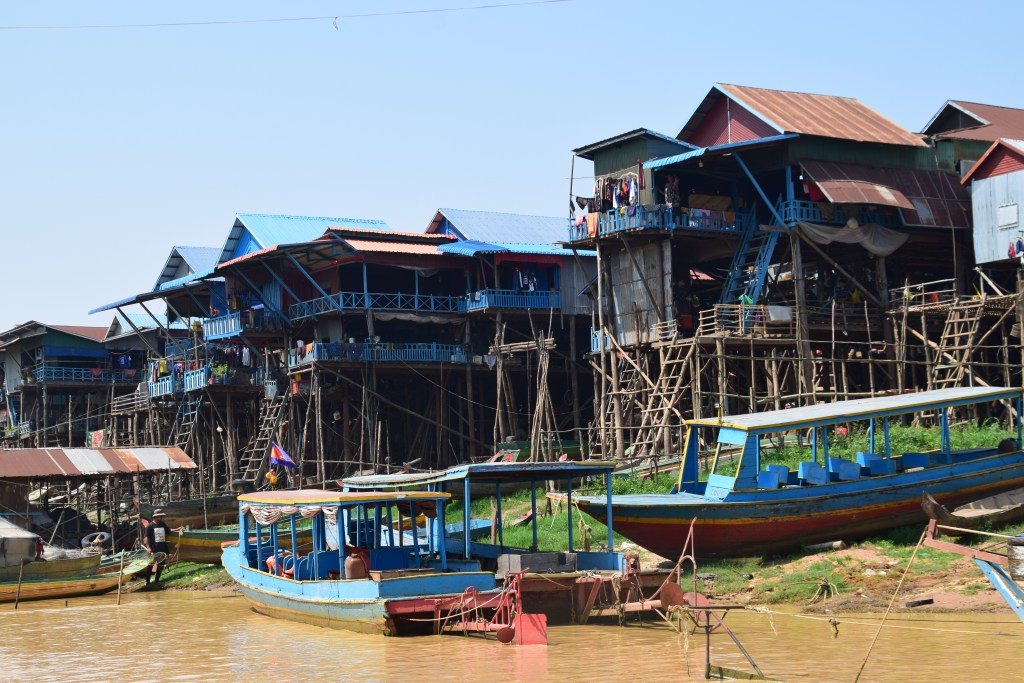
That double edged sword of tourism…..
Some communities are actively engaged in the tourism industry and either own the boat companies or have agreements with local tour guides. New jobs and income sources are always welcome and extra funds are used for community projects and clean water etc.
Against that, there is always the uneasy sensation of voyeurism as you stare at people’s homes and daily activities – especially towards those who aren’t benefitting in any way from the industry. Booking with bigger tour companies probably doesn’t contribute to the local economy in any way.
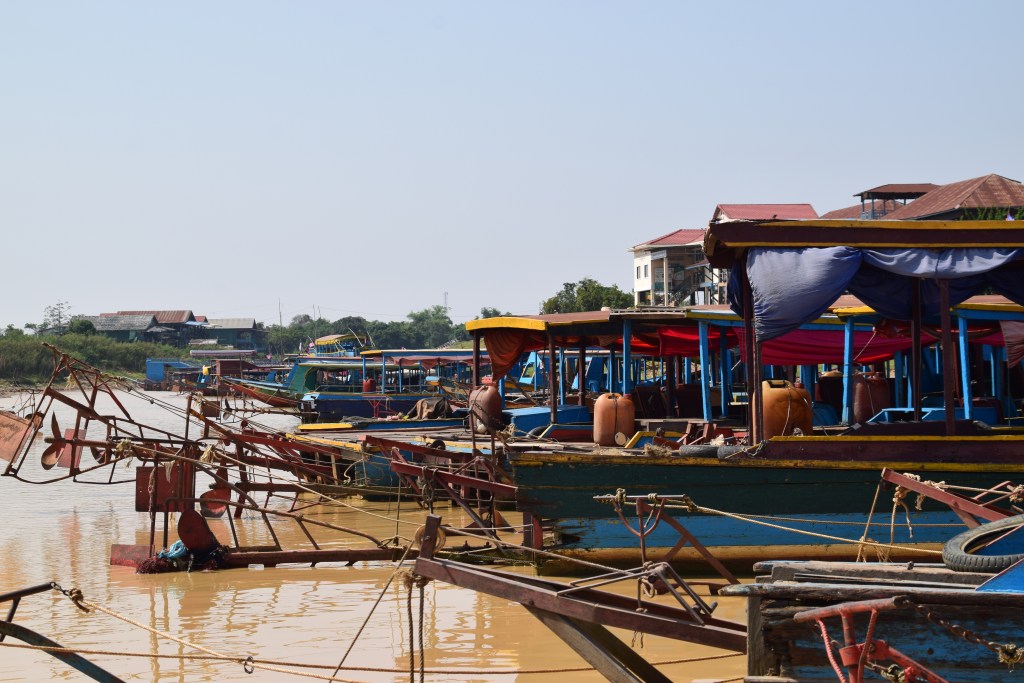
One comes away with rose-tinted glasses to be sure – in awe of the lifestyle and blown away by the beauty of the place and the idyllic setting of the houses…. But there are troubling signs that this way of life may not survive the challenges now facing the communities….
To put it bluntly, the lake is dying. Hydropower dam development in the Mekong region – particularly in neighbouring Laos and China – holds back billions of gallons of water which disrupts the fish migration paths. Overfishing, corruption and climate change are all putting extra stress on the lake. Communities have experienced a huge drop in fish catch and are desperately seeking alternative ways to supplement their incomes . Many are mired in debt and the younger generation are bailing out and heading to urban areas. Those staying behind are facing additional challenges in clean water, waste disposal, sewage and electricity supply.
Organisations – national and international – are focusing on projects ranging from community-led conservation and ecotourism to filtration systems and piping for individual households.
I visited in March (2026) in the dry season. The following photos are curtesy of Wikipedia so you can compare….

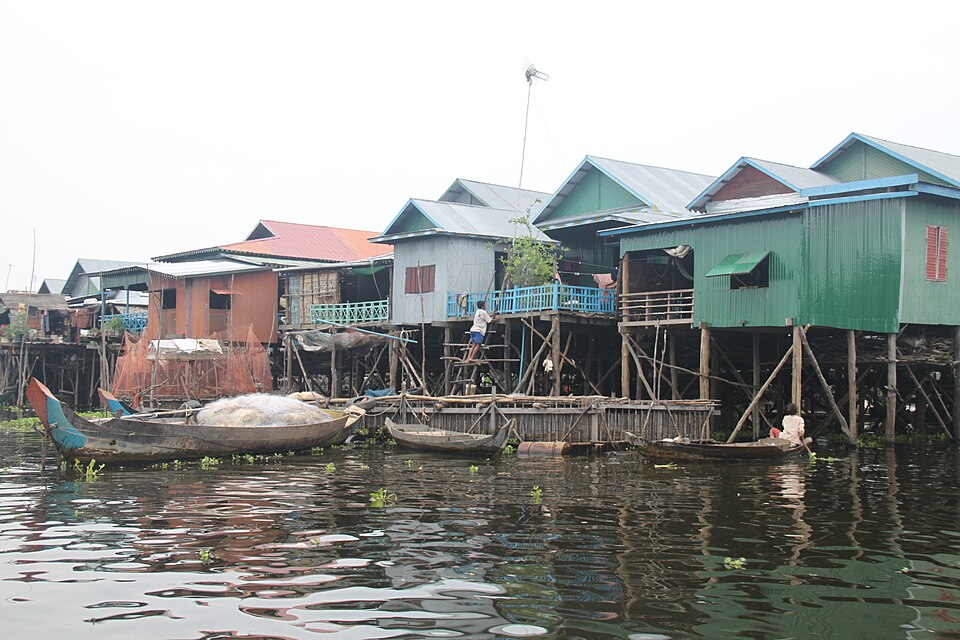


It is a difficult way of life, and sad to read the changes in the water. We also visited in the dry season, and found it fascinating to see the base of these houses. But when we visited, 15 or so years ago, they were not painted. The houses were bare wood. I wonder whose idea it was to paint them. Maggie
Our guide mentioned the blue colour – something to do with reflection of sun maybe? But he didn’t say that it was a recent development. I’d say in that case it’s connected to aesthetics and tourism??
I’ve never been to or heard of Tonle Sap Lake, but it looks like a great place to visit for those who want a humbling, eye-opening cultural experience and a break from the busy temple ruins. This is such a unique way of life, dear Marie, with the entire communities living on water—schools, markets, police stations, and churches floating or built on impossibly tall stilts. We’ve been trying our best to avoid all the heavy downpours, but no luck! It was particularly bad over the weekend, but apparently, a sunnier and much warmer weather is on the way – fingers crossed. Thanks for sharing, and have a good day 🙂 Aiva xx
Yes – a very different experience from the temples. Our lives are so easy compared to others….
So true xx
Wonderfully informative
Thank you Sheree …. glad you enjoyed. XXXXMarie
Oh, my goodness! What a contrast! Marie, these are wonderful images that show the differences through the seasons. 👏
I was delighted to find samples of the rainy season to include in the post…. What a tough life!
We’ll have to add that to the bucket list!
Yes!!! I doubt many book their trip to Cambodia around the rainy season on Tonle Sap but maybe they do! We hadn’t heard of it – even though we were in nearby Siem Reap a number of years ago – and were happy with the experience. Actually – I think by choice I’d prefer the dry season and the long visible stilts – they are so spectacular….
I regret that we didn’t have time while in Cambodia to visit Tonle Sap Lake, and even more so after reading this post and seeing your photos. It’s great that you’ve highlighted the challenges faced by these communities. And yes, i know too well that issue of feeling a bit like a voyeur while also enjoying the opportunity to see and learn more about a very different way of life to my own.
I do love peeping into other people’s lives and cultures… and, to be fair, the community we visited were very used to visitors appearing every day. We’d no idea about the lake – our travel agent included the trip and we were happy to go along. But, against that, it cuts in to the time spent at the temples so it’s hard to do everything isn’t it….
Yes, exactly!
A very thought-provoking piece Marie. We were there around 1999 I think, and it was much the same then. Nothing changes in some places. We managed to visit a floating school and talk to the very dedicated teachers, and we left a sum to help fund the ‘library’ and to buy pencils and paper, just like we did back in the 80s in Thailand. I had hoped they would have benefitted from the surge in the economy by now, but I think they are a marginalised people and the money isn’t trickling down.
Any benefits from tourism etc seem be more than cancelled out by the drop in fishing… It must have been a lovely experience for you back then…..
That is quite fascinating! A different way of life for sure.
It sure is Lissy – a long, long way from Manhattan!
Your article effectively highlights the challenges and difficulties of living in these floating villages. I visited Tonlé Lake and the surrounding area at the end of the wet season, and water was far more prevalent there than in Ireland, sure. However, the local population has developed ways to adapt to this. What remains is a general lack of resources to thrive. It is clear that the millions generated by tourism benefit the local population only to a very limited extent.
You saw a very different scene to us then – our guide had a lot of explaining to do to put it all in context! There were plenty of tourist boats along the river bank but I wonder about the size of the tourist trade there. We were in Siem Reap before – 2009 – and never heard of the place…. I reckon most visitors don’t bother with it…
In a small area along the Missouri River there are mobile homes on stilts. We saw them on a train ride once and I regret not getting a photo. It was there and gone so quickly. These reminded me of those homes. It’s a way of life for some but not for me. I can barely swim lol
A wonderful piece on Tonle Sap. We visited when it was so hot that some of the villages were experiencing a drought, would you believe! It is a tough way of life, that’s for sure. I was surprised at the volume of tourists seeing the lake and the relative poverty of the locals. I found it quite a difficult place to visit if I’m honest.
What a remarkable region. I’m sure I’ve seen some video from those parts before but you have explained how it all hangs together in a nutshell.
It is a remarkable place – and awful to think that planning decisions – thousands of miles away and in other jurisdictions – can have such a catastrophic impact…