
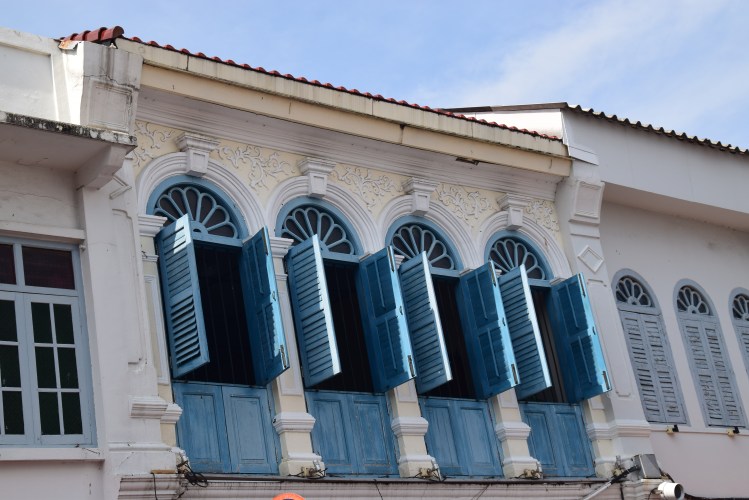
Did you know that Phuket is ranked in the Top Twenty most visited places in the World, welcoming over 10 million tourists per year! Most of those visitors base themselves at the beaches, never making it in to the town itself. That’s a pity – because the island’s capital is lovely and it’s old town centre deserves at least a few hours attention (although one could easily while away a full day here).
Long before the tourists arrived, international traders were flocking to the island for its other great resource – tin. The first Europeans arrived in the sixteenth century with the Dutch, French, Portuguese and British competing fiercely for mining monopolies. In 1809, the discovery of massive, high-quality deposits sparked a true mining rush and the demand for heavy labour brought thousands of Hokkien Chinese to the island. By the end of the nineteenth century, developers were looking towards the ocean and sea mining began in 1902. The industry continued to thrive for several decades but all good things eventually come to an end and fluctuating global tin prices, along with dwindling reserves and the increasing demand for plastics, caused a gradual decline in production – the last tin factory officially closing in 1992.
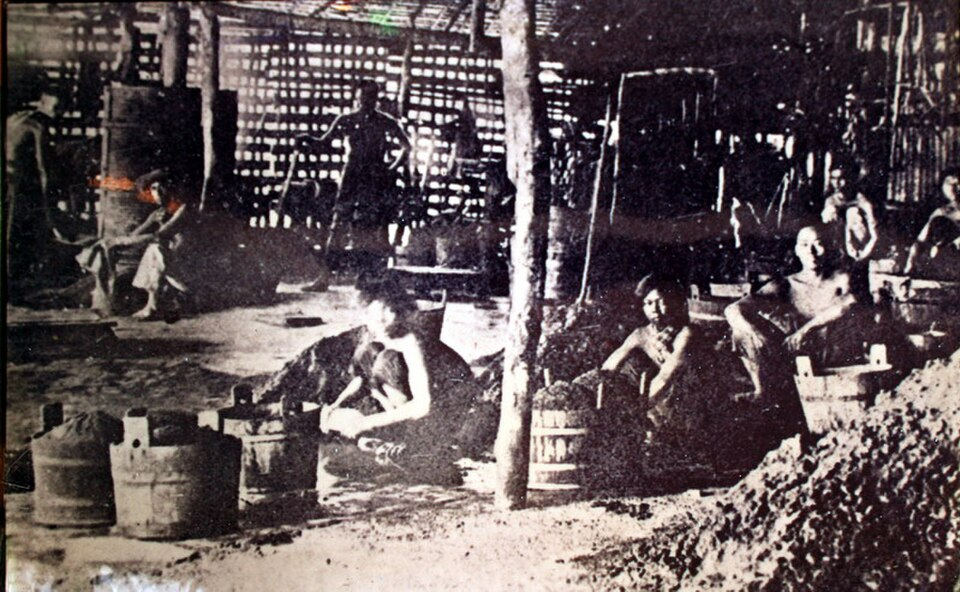
1905 – Chinese Tin Miners, Phuket
Hokkien Chinese immigrants, who arrived as labourers in the mines, accumulated enough wealth to establish themselves in Phuket as traders, merchants, and business owners – all the while hanging on to their traditions, beliefs and culture. Among the Europeans, it was the Portuguese who stayed and peacefully integrated with the local inhabitants. Above all else, it is in the architecture of the town centre where we can really appreciate the convergence of two such distinct cultures.
What has become known as Sino-Portuguese architecture reflects a fusion of two cultures trying to adapt to the island’s tropical climate. The Portuguese designed their houses with European style and flair before handing over the plans to the skilled Chinese craftsmen with their superior building techniques who married the designs with their own traditional elements. So think Chinese courtyards, winged rooflines and vibrant colours alongside classical columns, arched windows and doors, shutters and balconies and colonial whites and creams.
The Chinese built practical shophouses in rows along the streets – largely similar in make and design. They are typically long and narrow with a shopfront facing the street and living quarters behind and upstairs (The narrow frontage minimized taxes which were calculated based on width of a building’s street-facing facade). The tiny facade also keeps the house cool as does an inner courtyard which, at the same time, allows light into the interior.
The shop front resembles the face of a dragon with mouth doors, two eyes (two windows) and air voids above the windows (eyebrows).
The second floor at the front of the house often protrudes above the ground floor’s exterior, becoming a cover for a walkway underneath. Many upper floors feature three-window facades or fine balconies. Louvred shutters keep out the glaring sun but allow for ventilation. Decoration was hugely important so European style stucco moldings are displayed alongside auspicious Chinese emblems like dragons or lions.
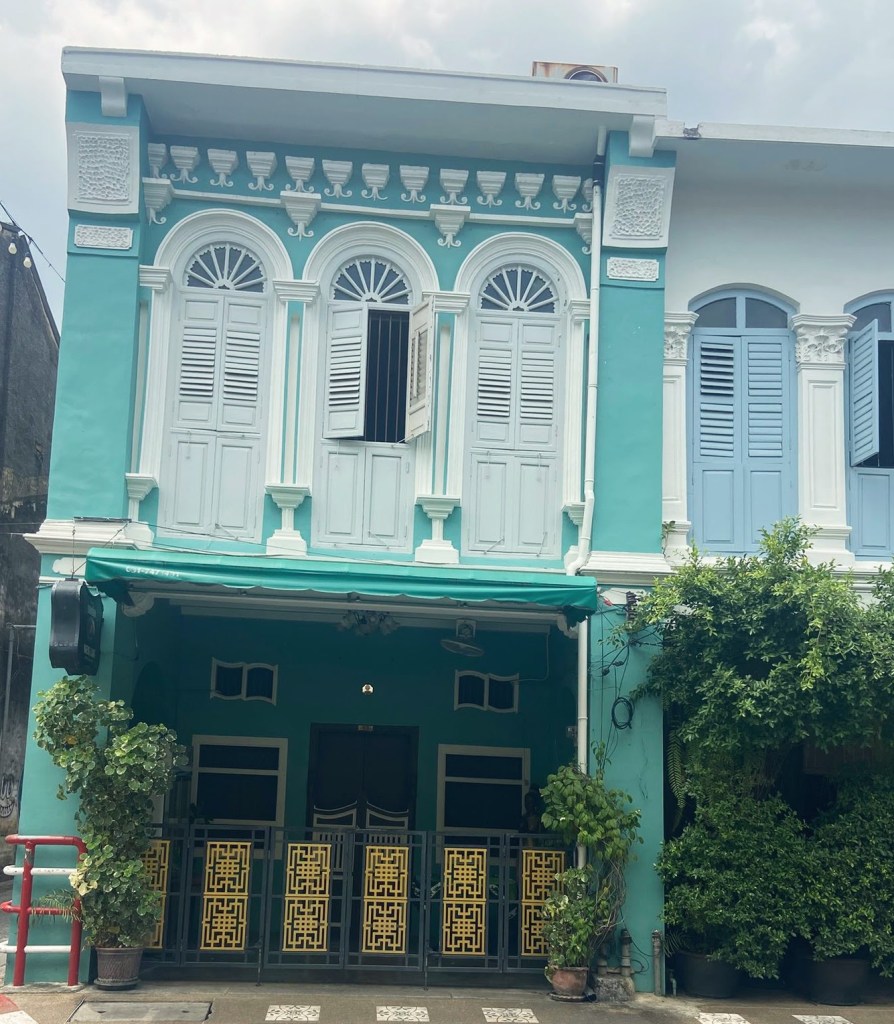
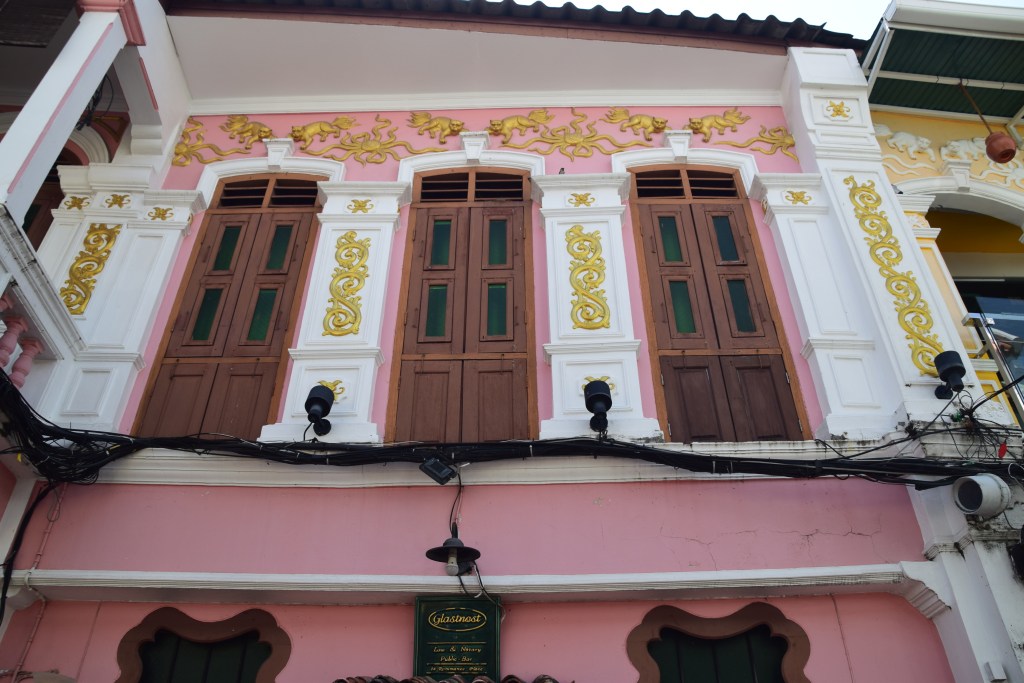

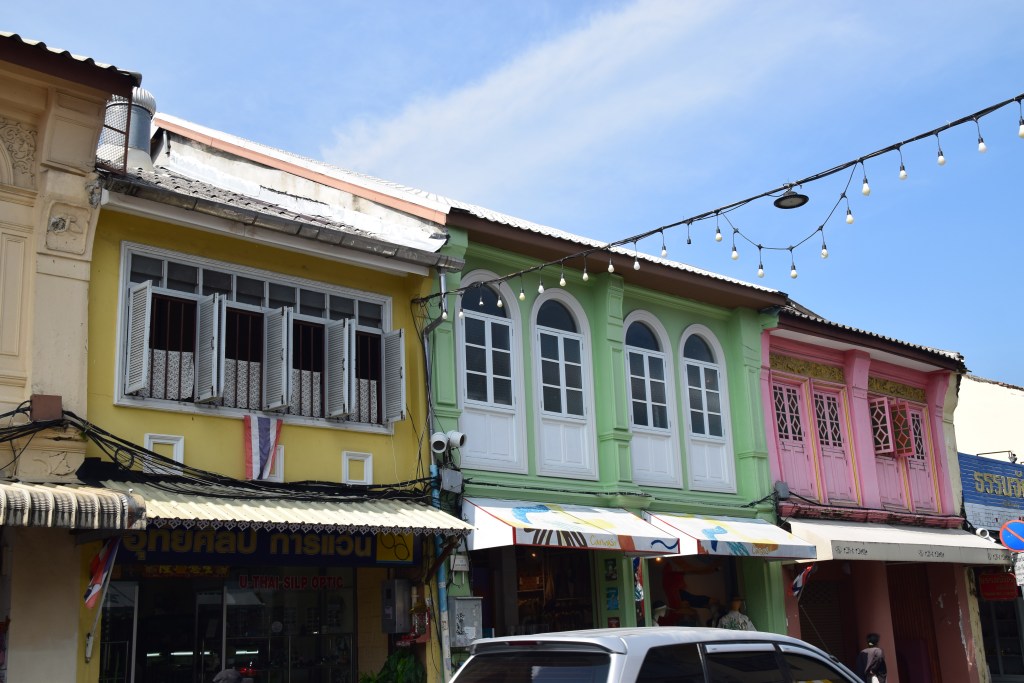

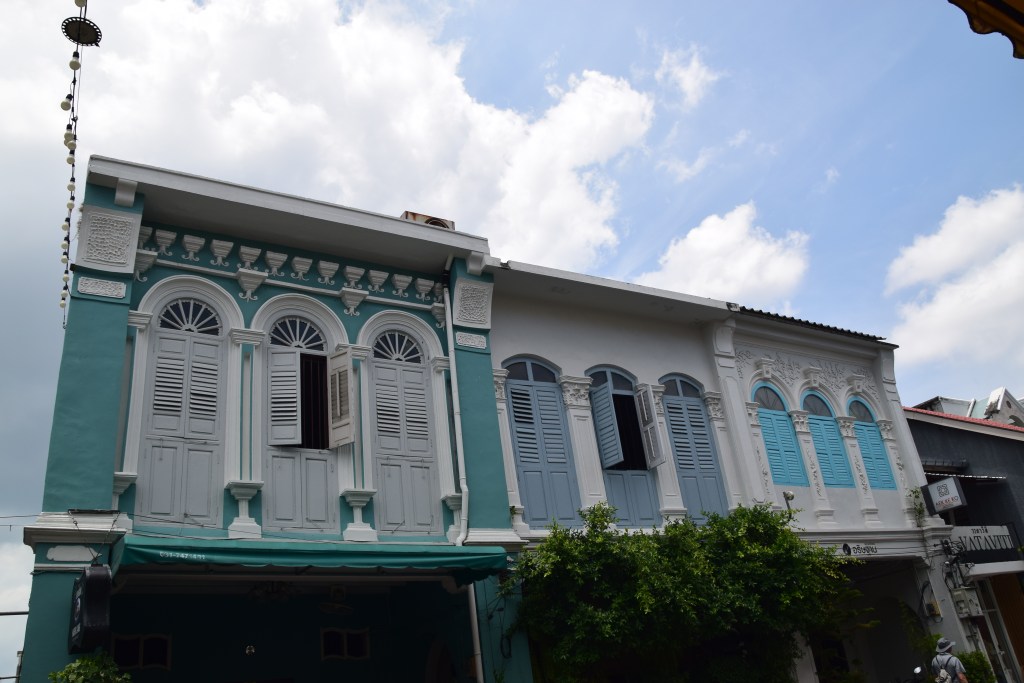
Thalang Road features Old Town’s highest concentration of restored Sino-Portuguese shophouses.
The decline in mining from 1930s onward ended new construction in the town, but, as often happens after a boom, economic stagnation inadvertently preserves the architectural legacy of places when there’s no money to knock and renovate and so it was with Phuket. It wasn’t until the 2000’s that extensive restoration began to transform the town into a cultural and tourist destination.

Notice anything???????
NO sprawling network of tangled overhead wires!!!

In 2010, Thalang Road became the first street in Phuket to bury its electric cables underground – allowing an unobstructed view of the architecture!
While critics may argue that over-restoration has sacrificed authenticity, the owners are very happy with the footfall into their shops, cafes, galleries and restaurants.
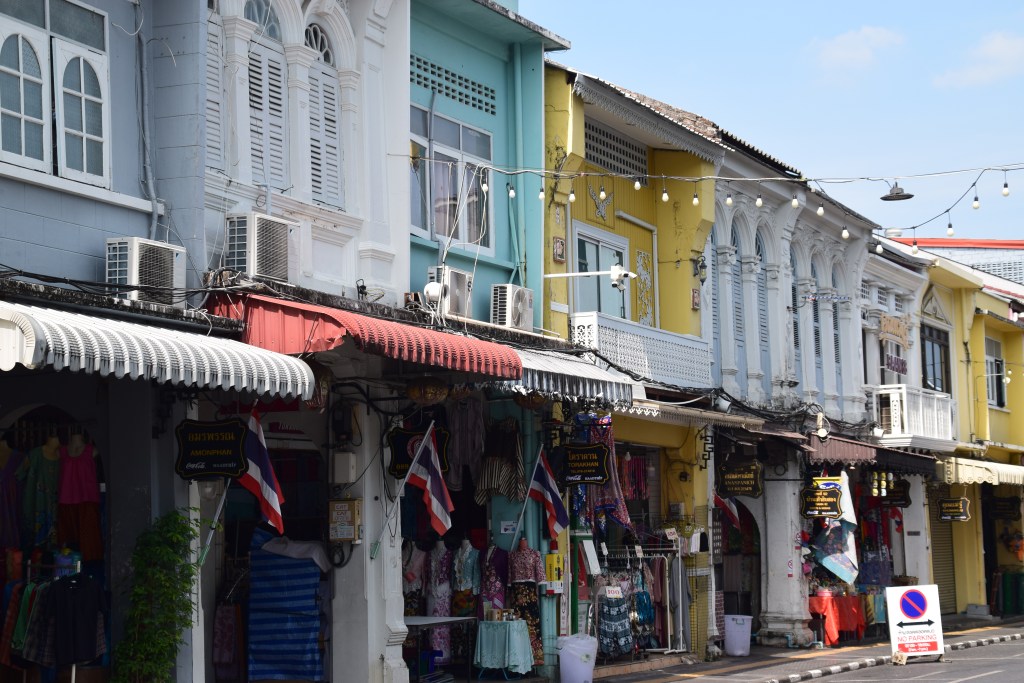
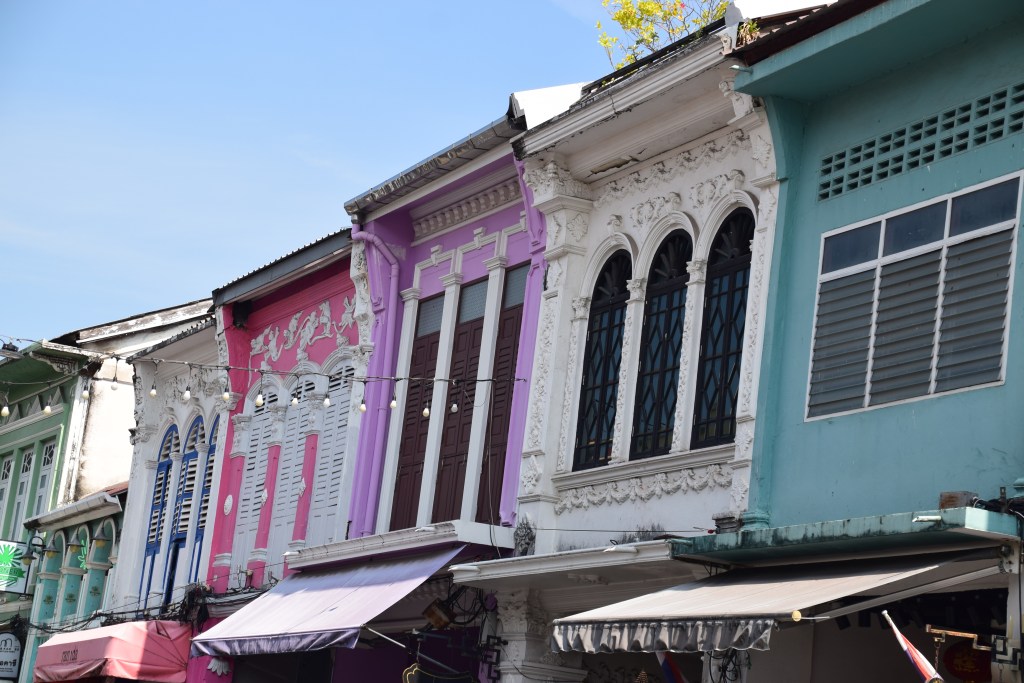
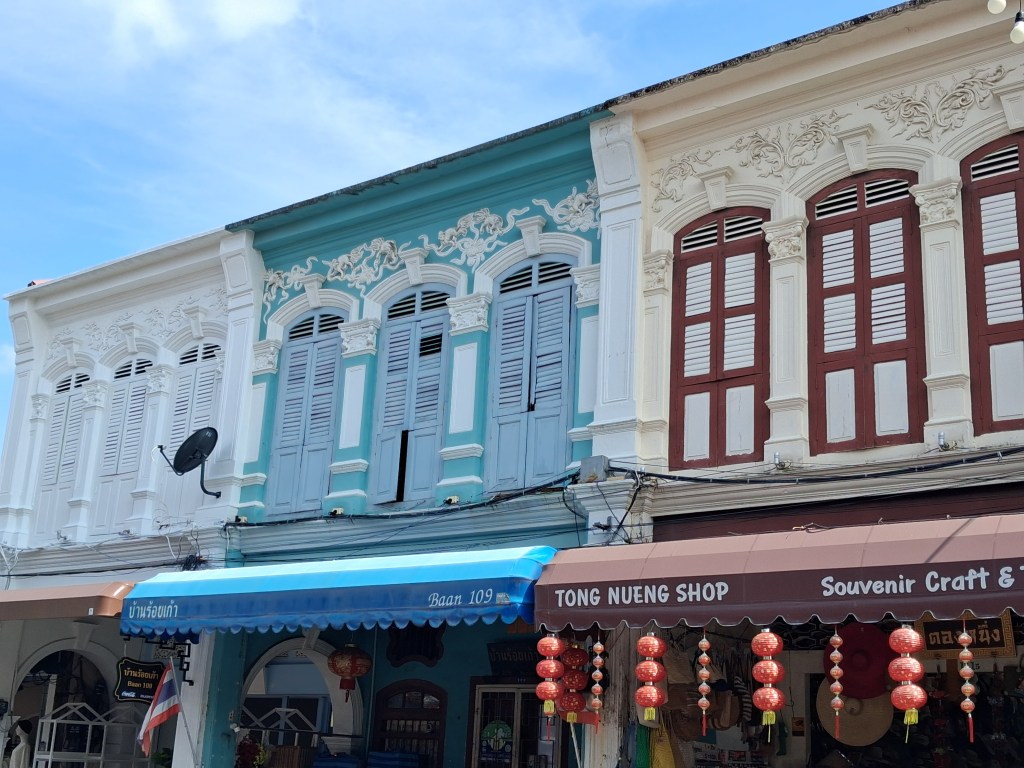
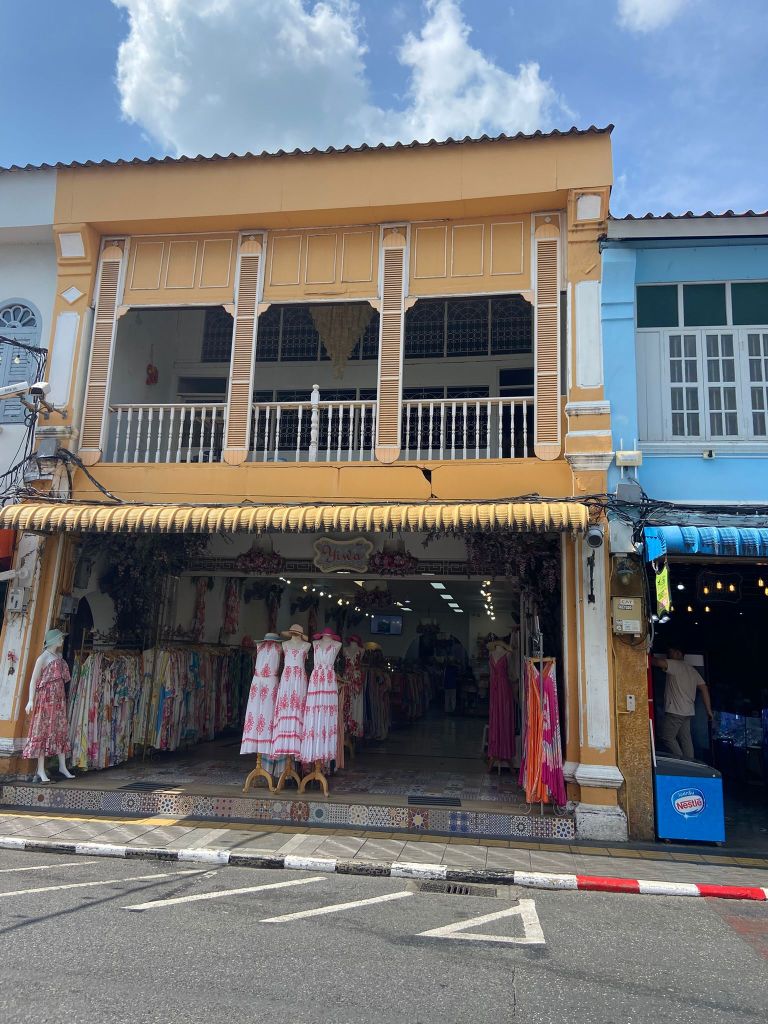
The parallel Thanon Dibuk isn’t bad either!
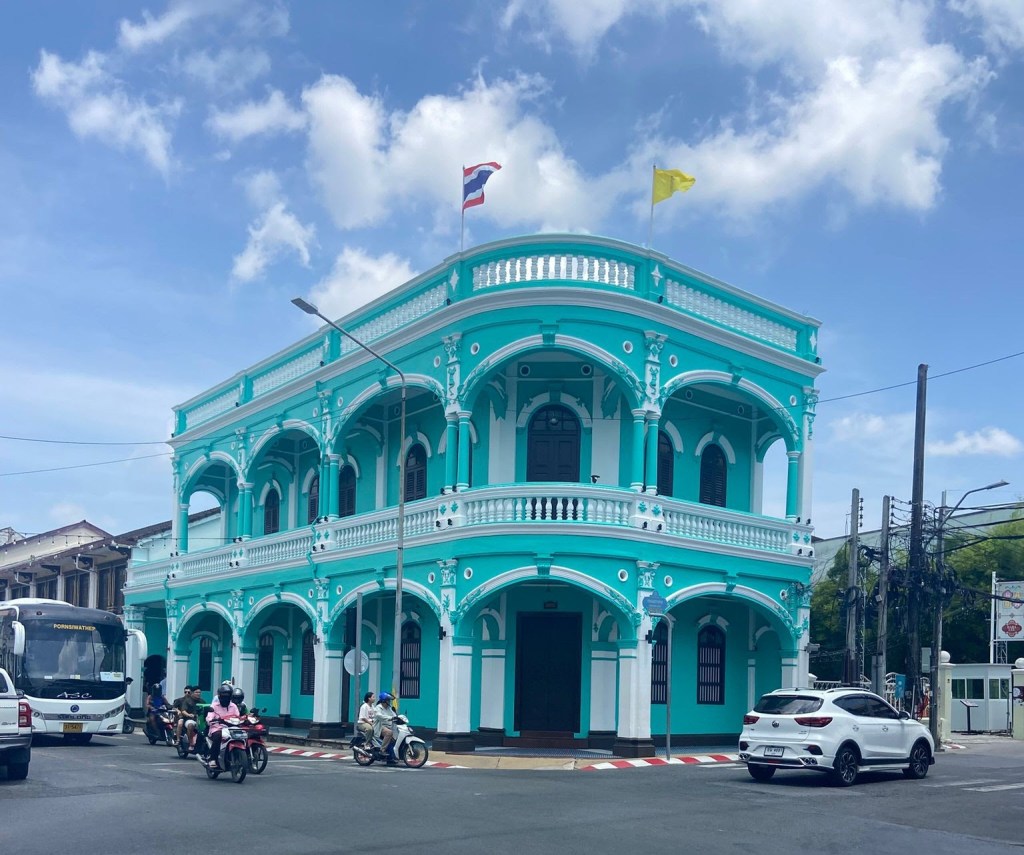
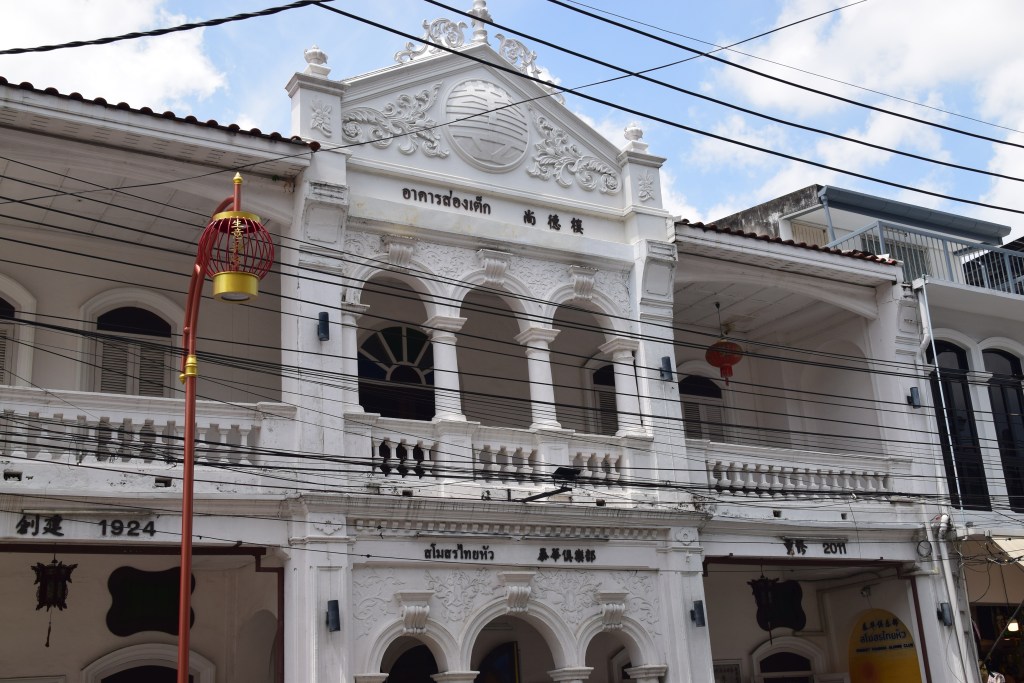
Once the red-light district, filled with brothels, opium dens and gambling houses, Soi Romanee is nowadays filled with colourful cafes, ice cream parlours and fancy shops …. and influencers of course!!!


According to Chinese legend, Phuket resembles a dragon rising from the sea (maybe – with a LOT of imagination!) so it is fitting that Hai Leng Ong – one of the four dragons who looked after the sea – be regarded as the protector of the island.
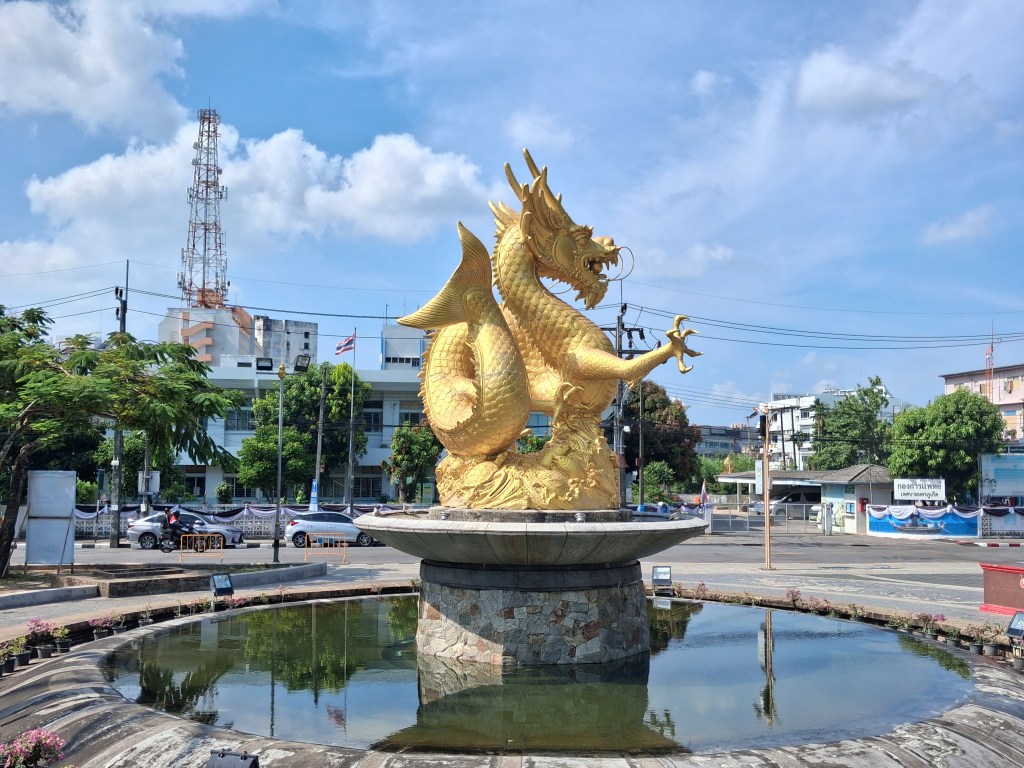

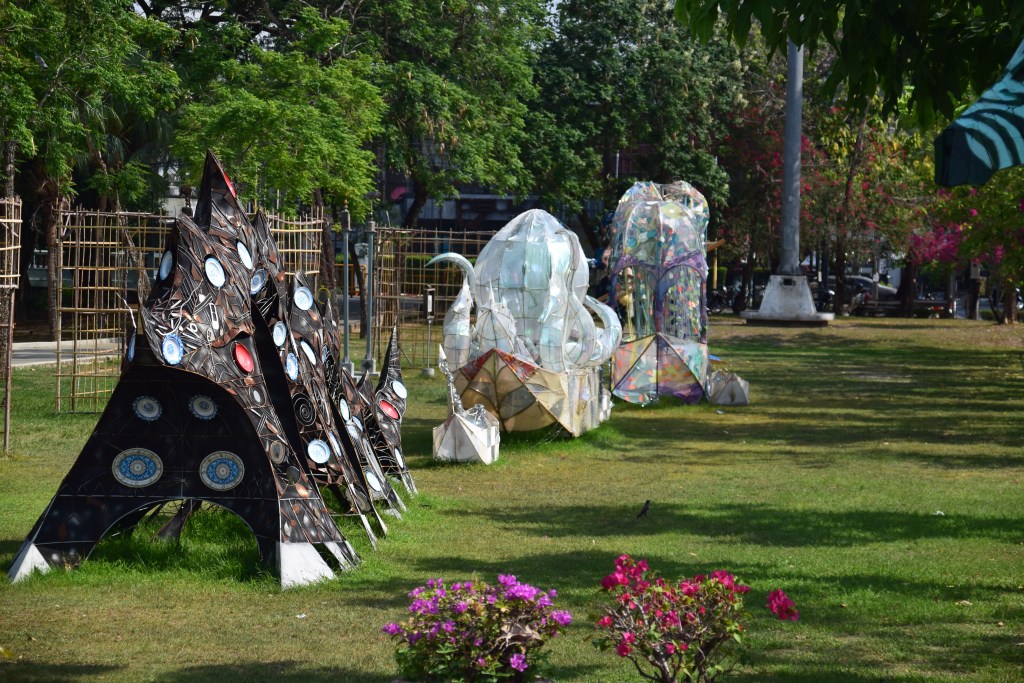
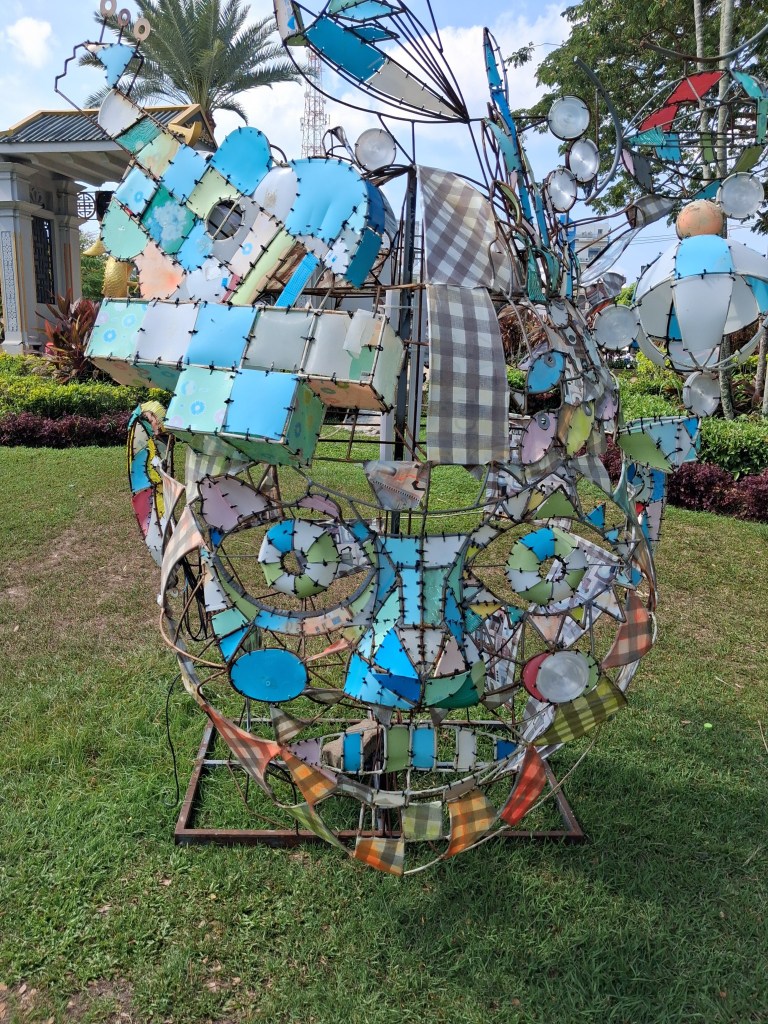
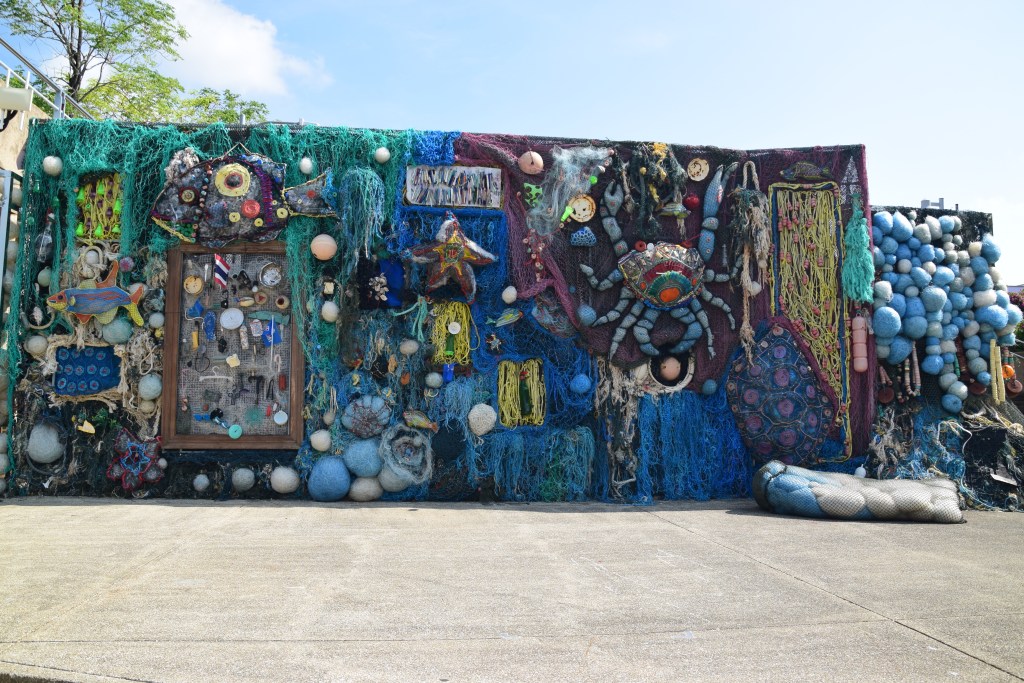
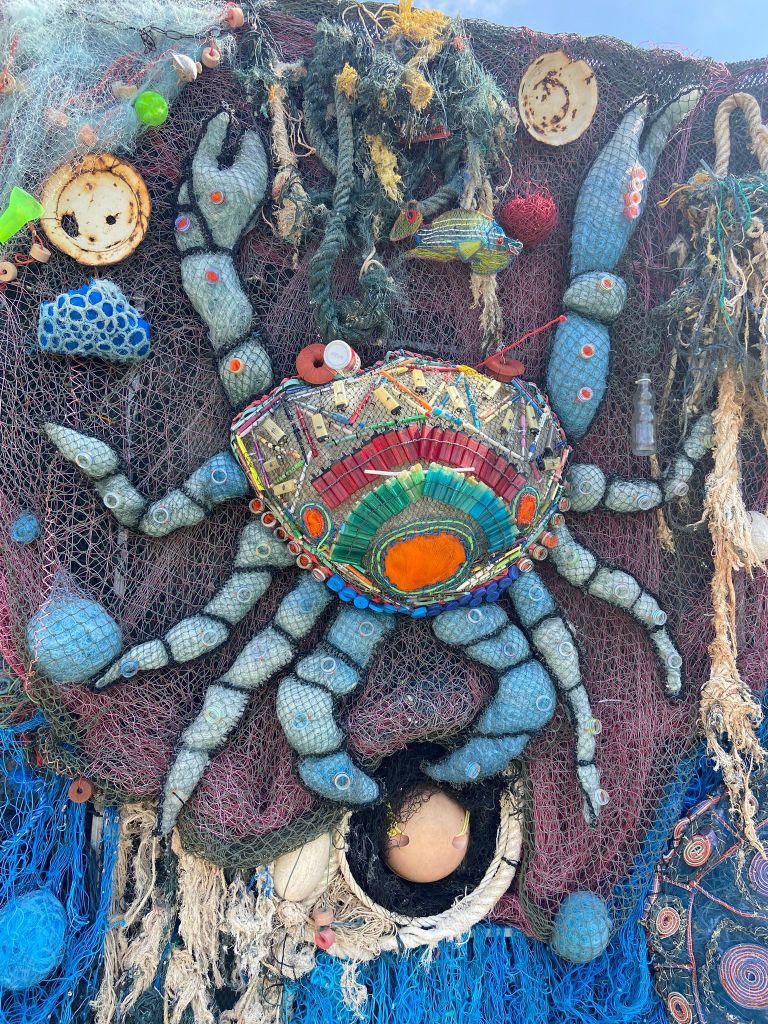
Beside the dragon, 72nd Anniversary Queen Sirikit Park offers a peaceful spot to sit and relax but also serves as a venue for various events and activities, including the Chinese New Year festival. There was a nice exhibition for us to enjoy….

Tucked behind a narrow passageway, The Shrine of the Serene Light was built for quiet devotion at a time when religious expression was not openly encouraged. Established by a prominent Chinese family, it was long hidden from public view with only the local community knowing of its existence. Nowadays, the ornamental gate has been widened and the place has become a popular tourist destination but the shrine itself is mostly left untouched and locals still come to pray and make their offerings


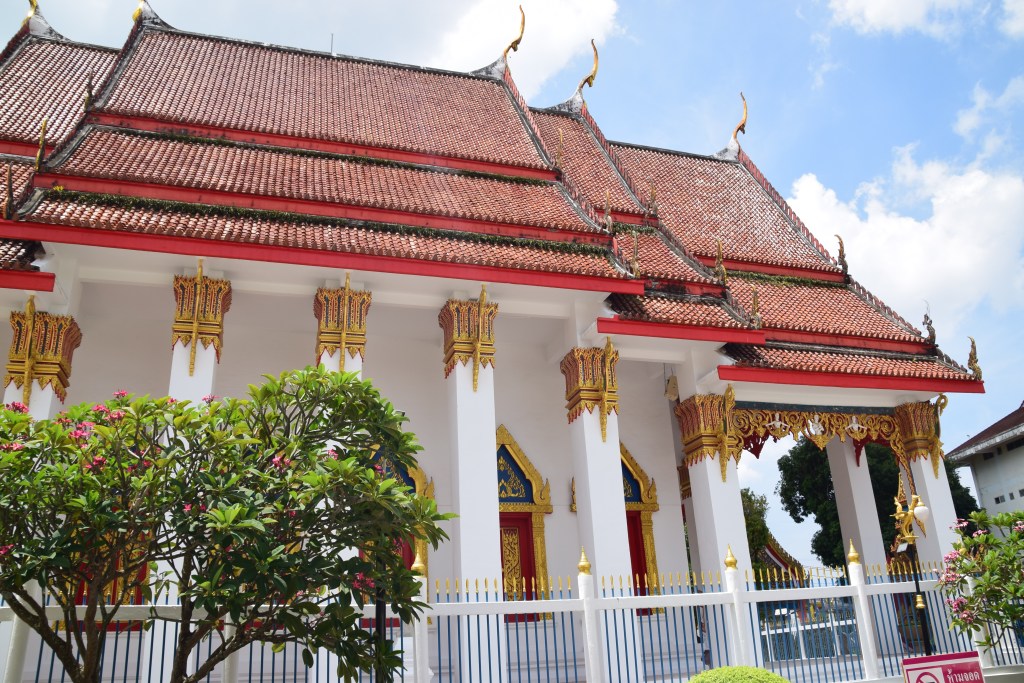
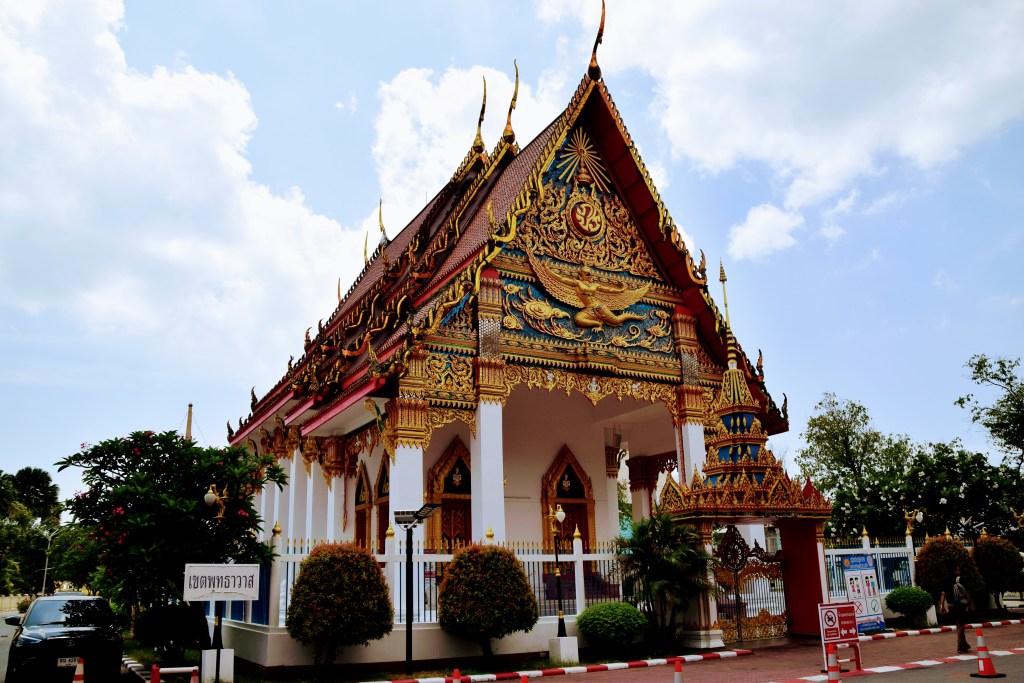
Despite being in the centre of town, Wat Mongkol Nimit is a peaceful spot……

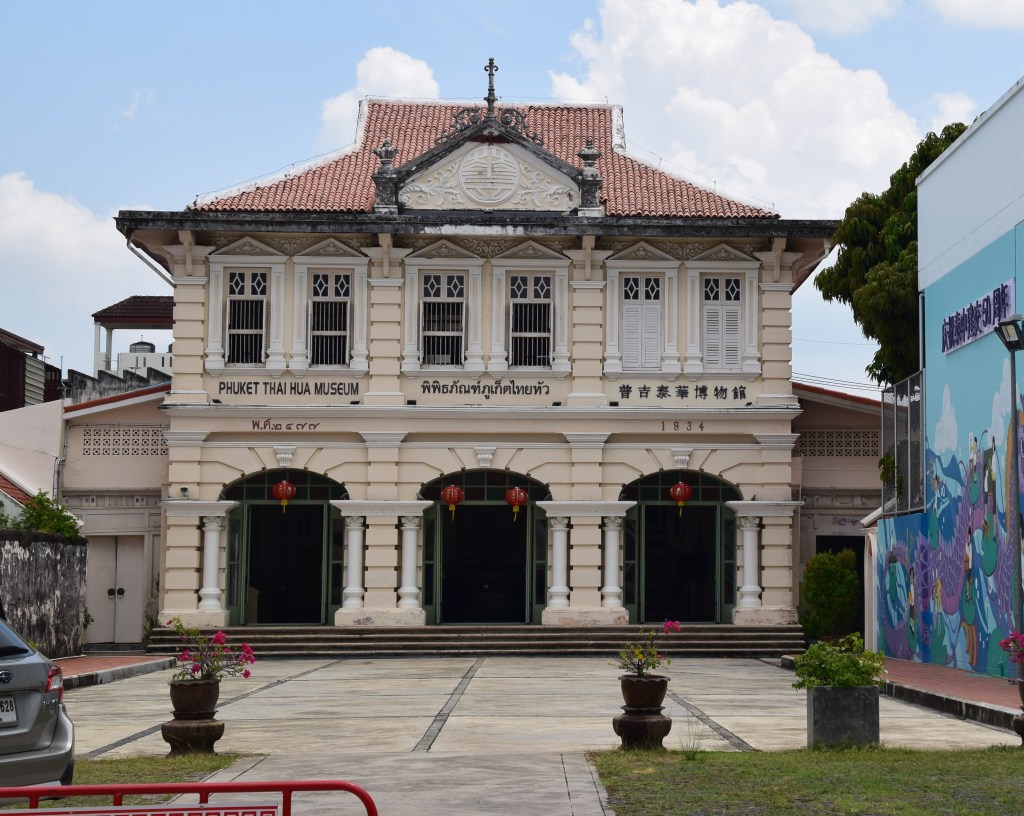
The lovely Thai Hua Museum started out as a school but nowadays its exhibition rooms display the history of Hokkien Chinese migrants in Phuket.
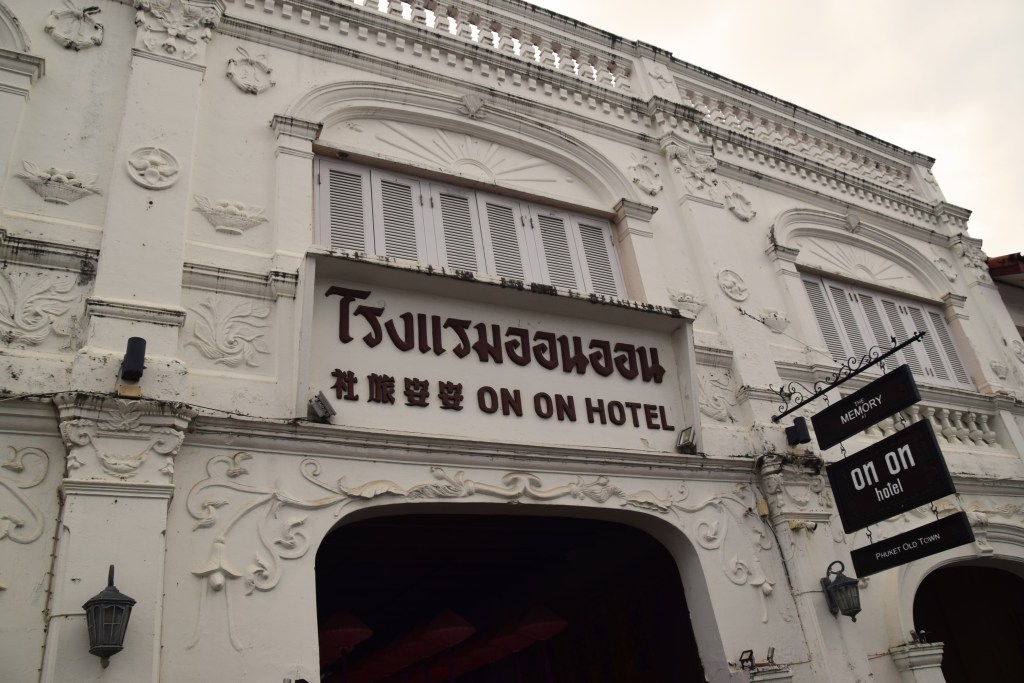
In 1898, Yoktiew Saepae headed off from his village in the Hokkian region of China to make his fortune. A Chinese Junk brought him to Singapore but the streets alas were not paved in gold so he left for Phuket where opportunities were said to be plentiful. By 1912, he was able to open his own shop selling mining equipment. In 1927, he opened the first hotel in Phuket.
The On On Hotel’s other claim to fame is its appearance in the 2000 movie The Beach starring Leonardo DiCaprio, Tilda Swinton, et al.
Oh yes, this lovely old town definitely looks worth a visit! I’m pretty sure I would enjoy it more than the beaches tbh 😀
And we near missed it – decided to go on our last day – delighted that we did….
Lovely! We really enjoyed Phuket old town too – and especially Blue Elephant for a delicious meal 🙂
We didn’t stay to eat – just went in the morning and walked around and had coffee… The shops were quite good also weren’t they….
It’s good to know that not too far from the coastline, you can find a whole different side of the island in Phuket Old Town. Those colourful townhouses are so beautiful, and the streets are very charming. I didn’t know that the Memory At On On Hotel in Phuket Town still exists – I’d like to have a peek at it. Thanks for sharing, and have a good day 🙂 Aiva xx
It’s certainly a very different experience from the rest of the island. I know it’s hard to drag oneself away from beach and water but I’d say most visitors don’t realise what a nice lace it is…
This gives me a very different view of Phuket from the one I had before.
And isn’t it good to know it exists! We almost left without seeing it and we’d have come home also with a very different – and less positive – view of the place.
A beautiful old town, and you’re right, I usually only see people posting about the beaches.
I like towns and cities anyway so am always happy enough to include them in a trip in case I’m missing something – which in this case I definitely would have!
What wonderful colours! Those tangled wires remind me of the streets of Istanbul when I visited Inter-railing way back in 1988!
I always love those wires –
Ah – those inter-railing days!!! Hauling rucksacks to cheap hostels beside the railway stations! Thank God at least for wheelie luggage!!!!
Wheelie luggage had not been invented back then!