
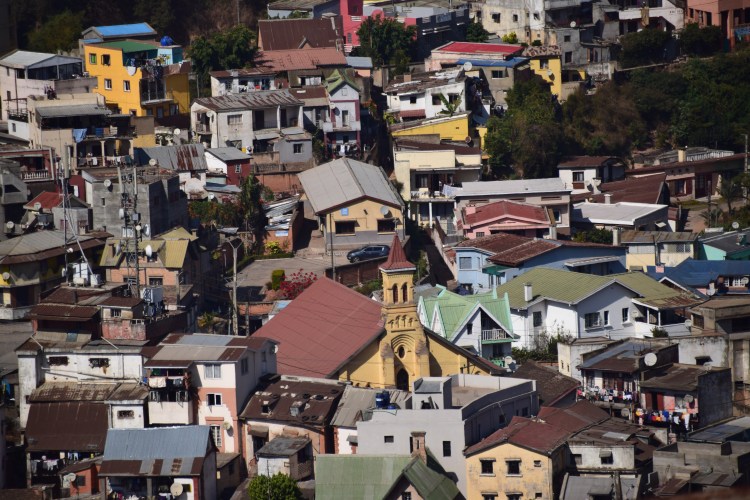
Antananarivo won’t suit everyone – at first glance, there isn’t a lot to love about the place to be honest. But, as always, familiarity reveals those little surprises and quirks – and we can all find a certain charm pretty much anywhere!
While Antananarivo (Tana) is the most likely point of arrival and departure on the island, many visitors bypass it altogether and head straight for the beaches, lemurs and baobabs. I, for one, like to get a look at a capital city and am willing enough to linger a day or two and embrace a bit of urban chaos!
Founded in the 17th century, the hilltop settlement was unusual in that it was already well established before colonial rule. As several individual tribes gradually coalesced into a unified kingdom, the Merina people gained the upper hand and made this the centre of their territory as they extended their power over most of the island. The French already held some territory on the island when they captured the city in 1895 and established a colony that lasted until independence in 1960. The 8 mile drive in from the airport will leave you in no doubt but that this is an impoverished state (Madagascar is ranked the 9th poorest country in the world) but, as you approach the city, European influence is evident in the wider streets and avenues while French Colonial buildings mingle with traditional Malagasy homes.


You can’t miss the ROVA OF ANTANANARIVO, dominating the highest of the city’s several hills. The 19th century royal palace complex was originally built in wood for Queen Ranavalona but later clad in stone. The Palace has undergone restoration after a serious fire in 1995.
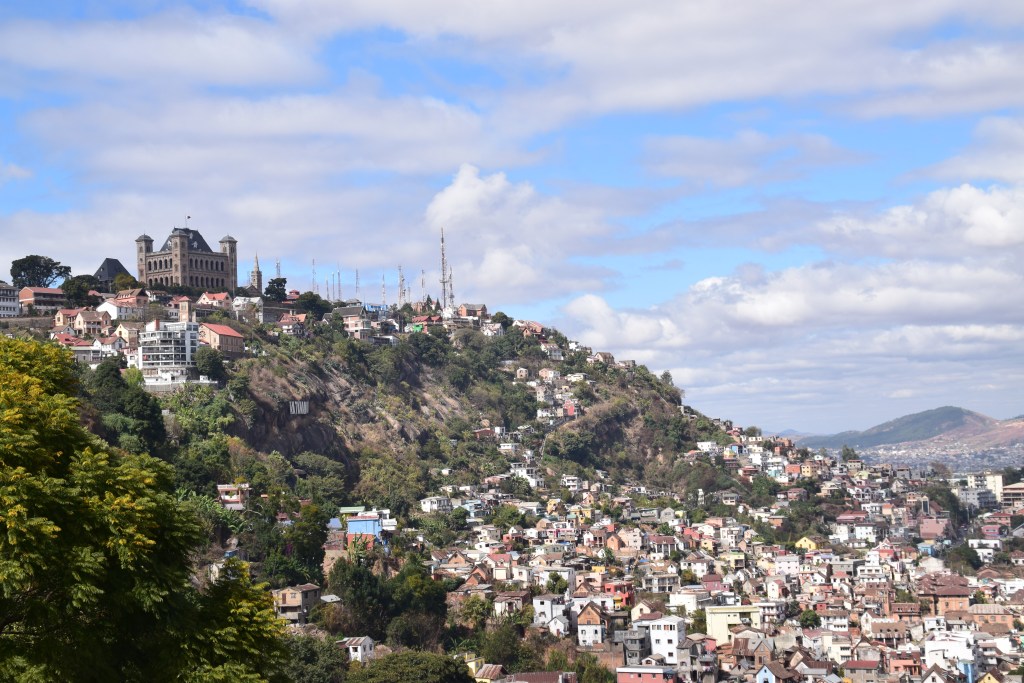

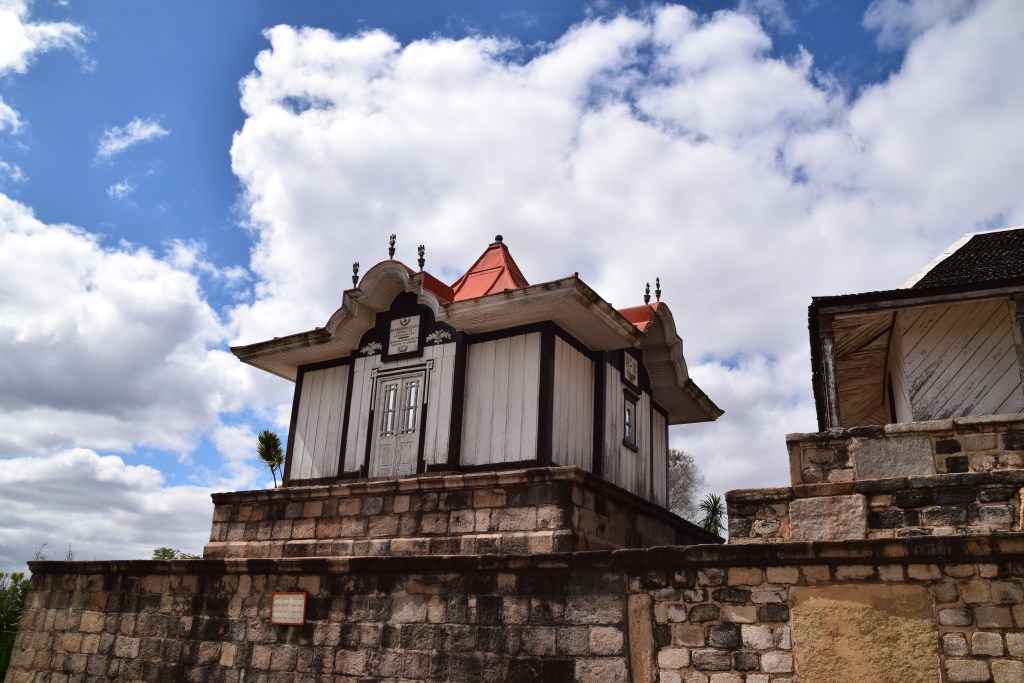
It’s worth the hike up the hill for the views alone…
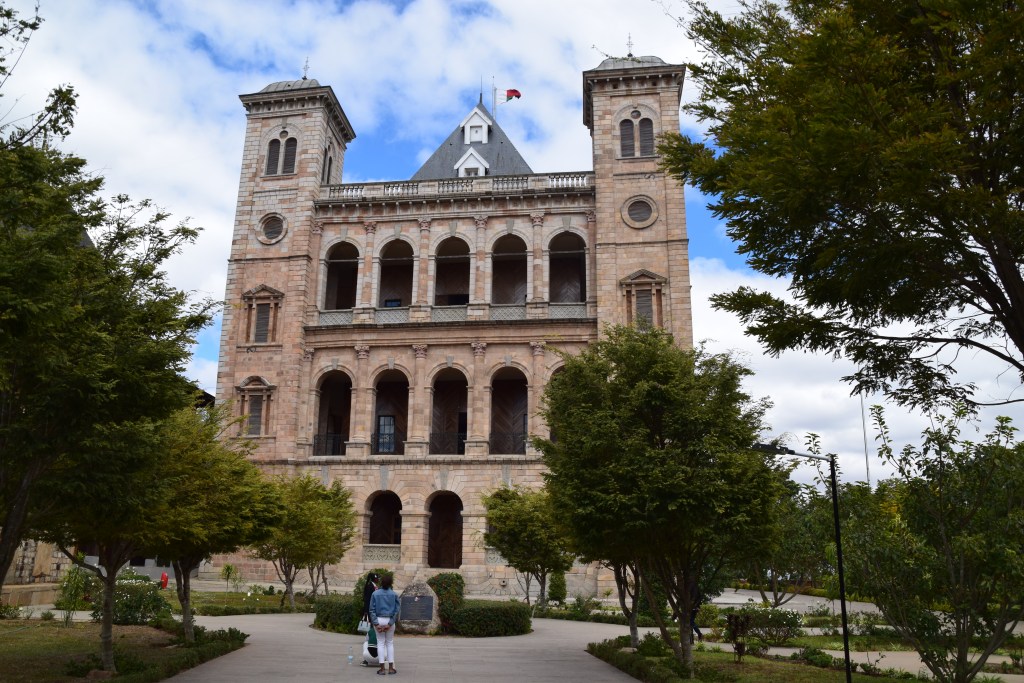
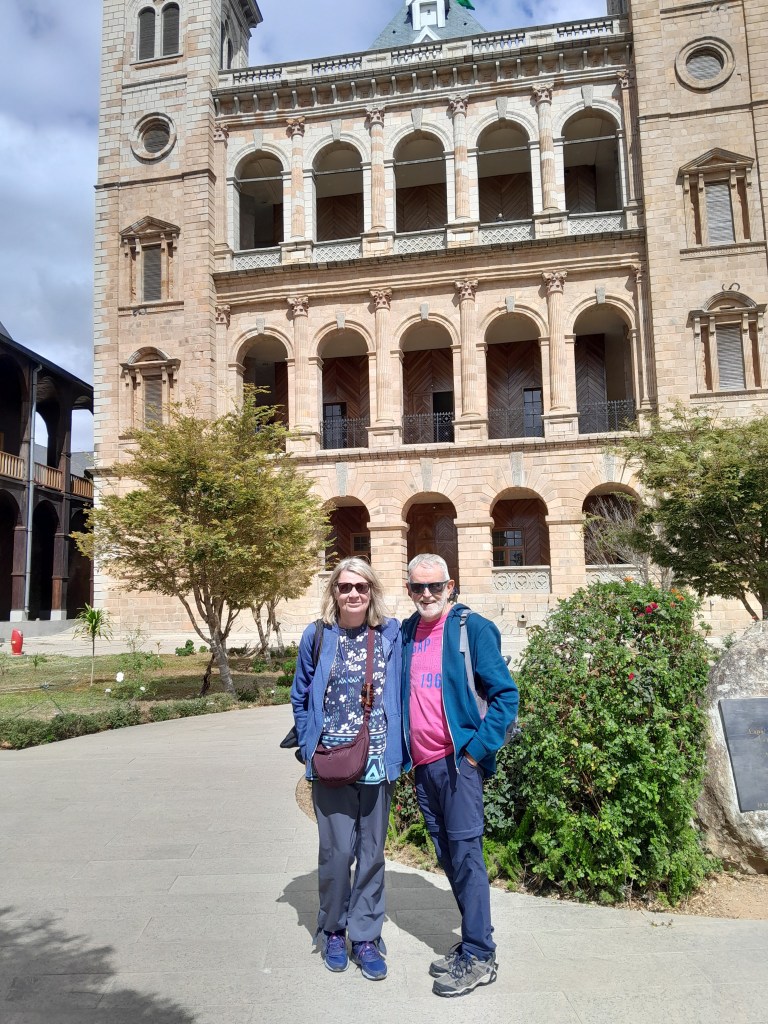
That fine towered building behind the tree is Andafiavaratra Palace/ Prime Minister’s Palace – today it serves as a museum..

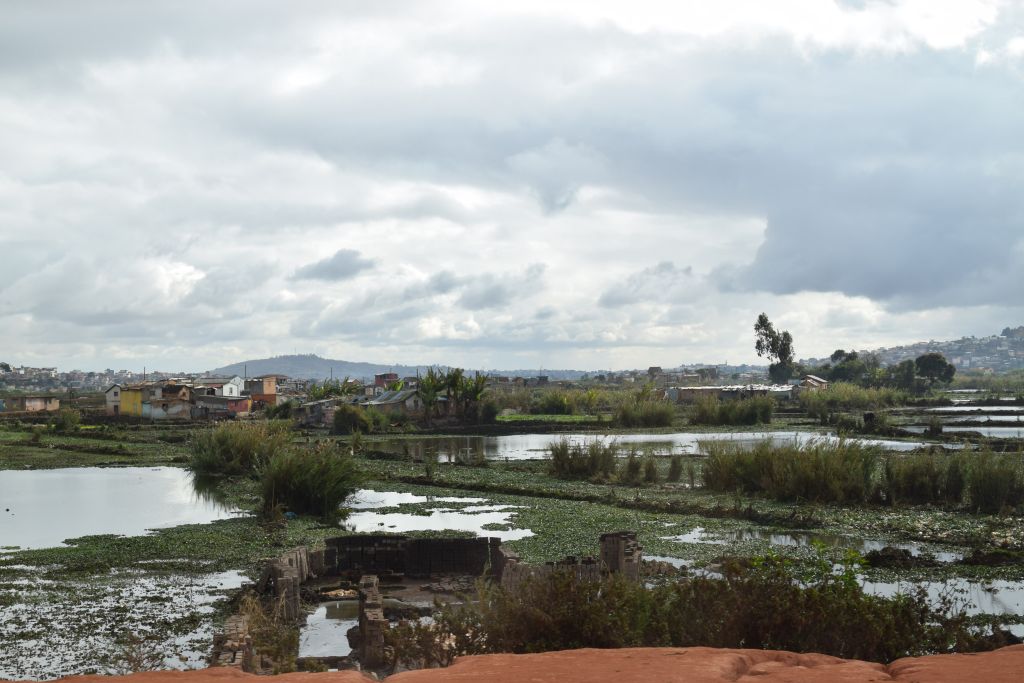
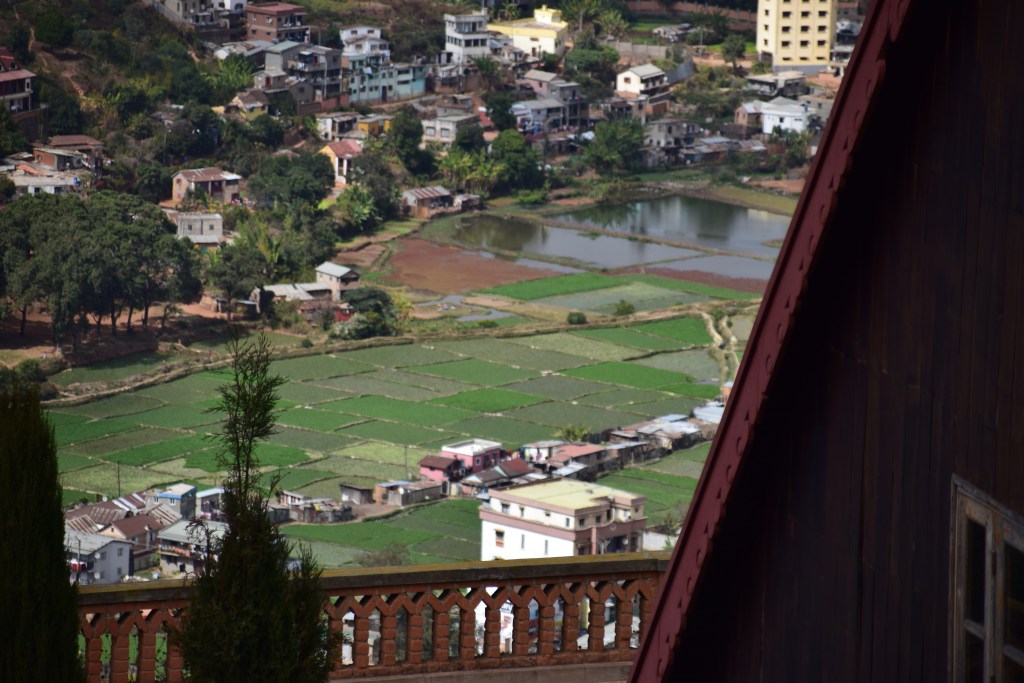
Rice fields right in the city….
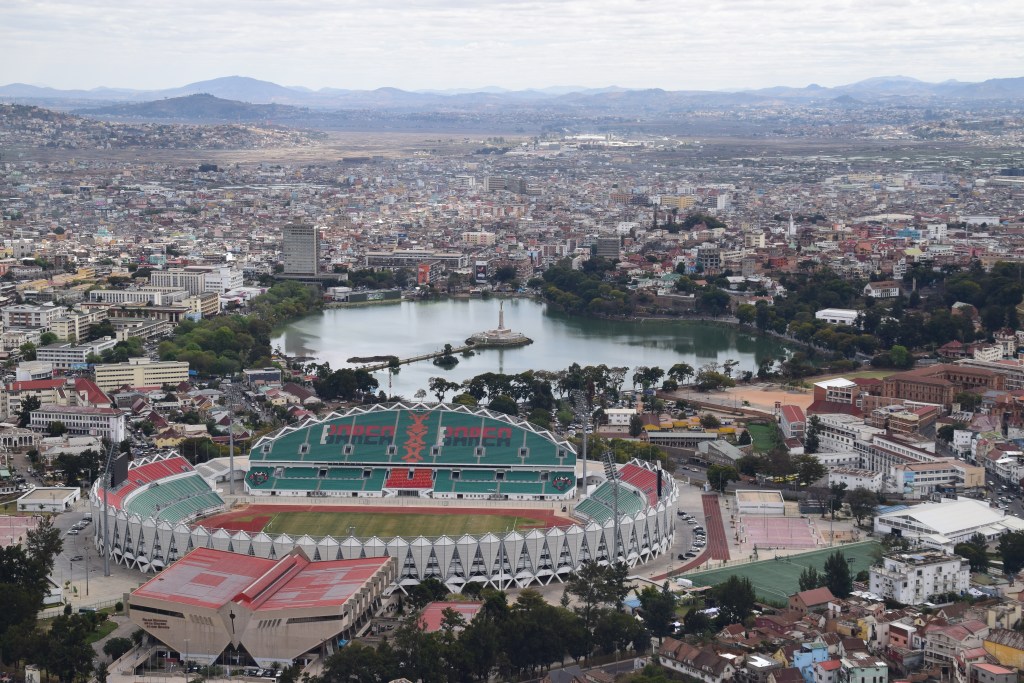
The heart-shaped artificial Lake Anosy mightn’t boast the cleanest of water but its perimeter makes for a nice walk. A pathway leads out to an island where a French-built memorial commemorates those who fell in WWI.

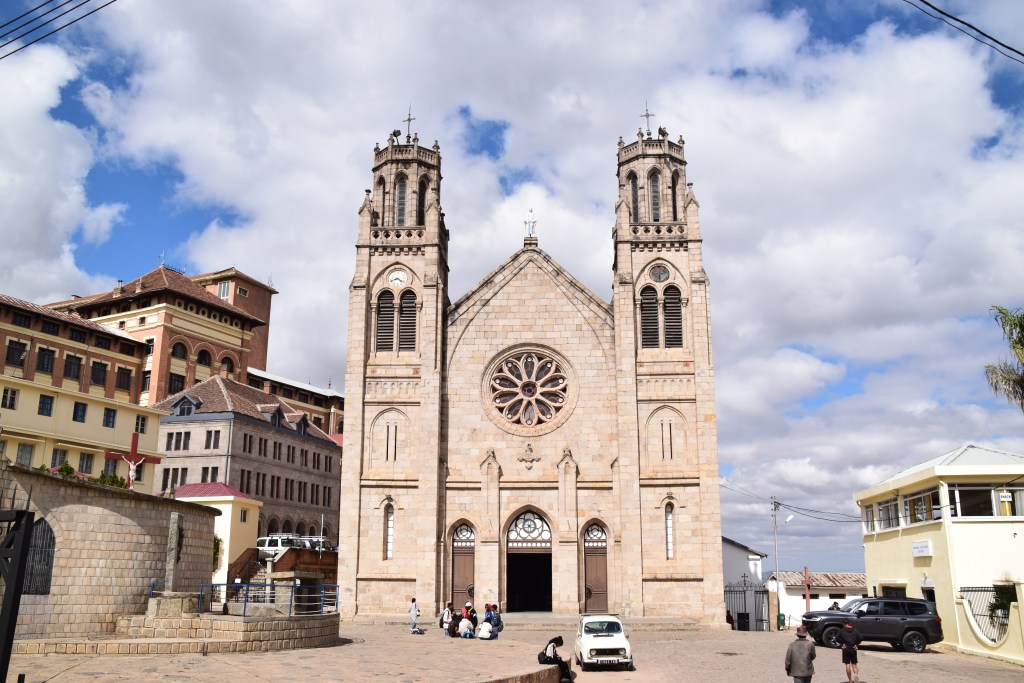
Heading back down the hill from the Rova, you’ll pass Cathedrale de I’Immaculee Conception. Construction began in 1873 – interestingly enough on the very site where early Malagasy Christian martyrs were thrown from the cliff during the reign of Queen Ranavalona!
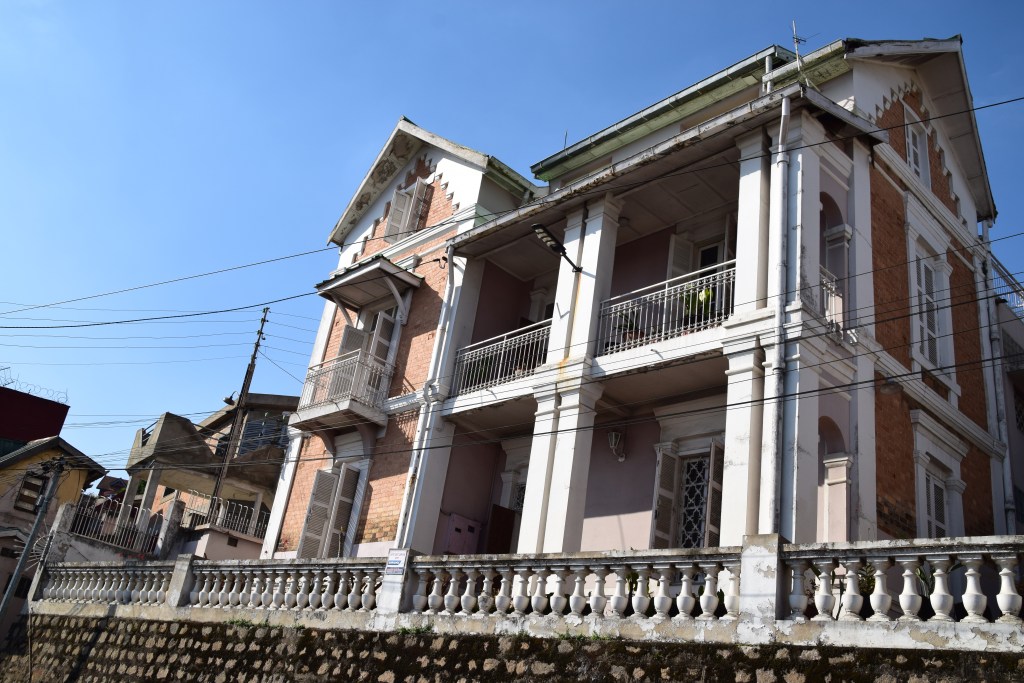
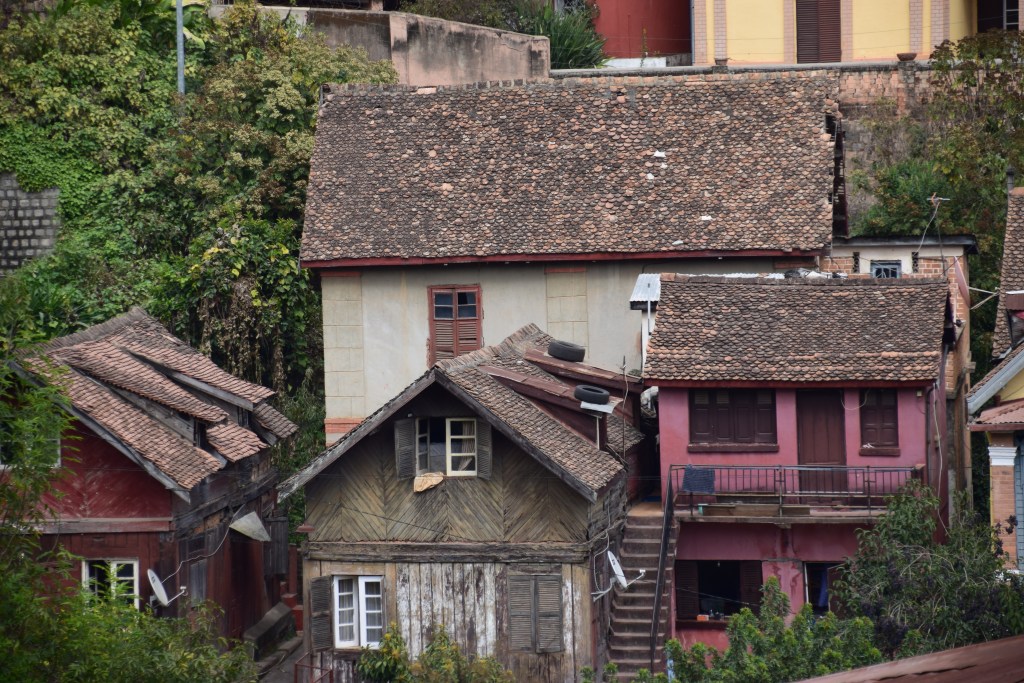
Walking the steep streets, you come to appreciate the blend of traditional Malagasy homes and colonial mansions…
Photography is not permitted at the Presidential Palace and other government buildings. The flag features white, red and green – white represents purity, peace and the traditional colours of the Merina kingdom, red symbolises sovereignty, strength and the Merina heritage, green denotes the coastal regions, agriculture and hope.

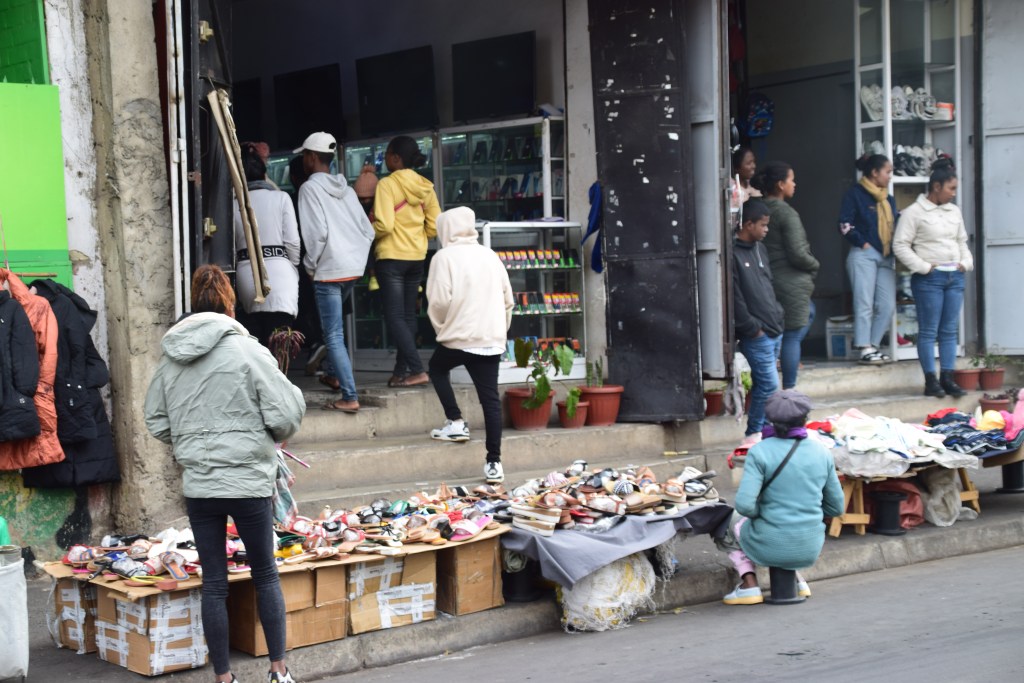
Heading down from the relative calm of Haute-Ville into the markets – not for the faint hearted!
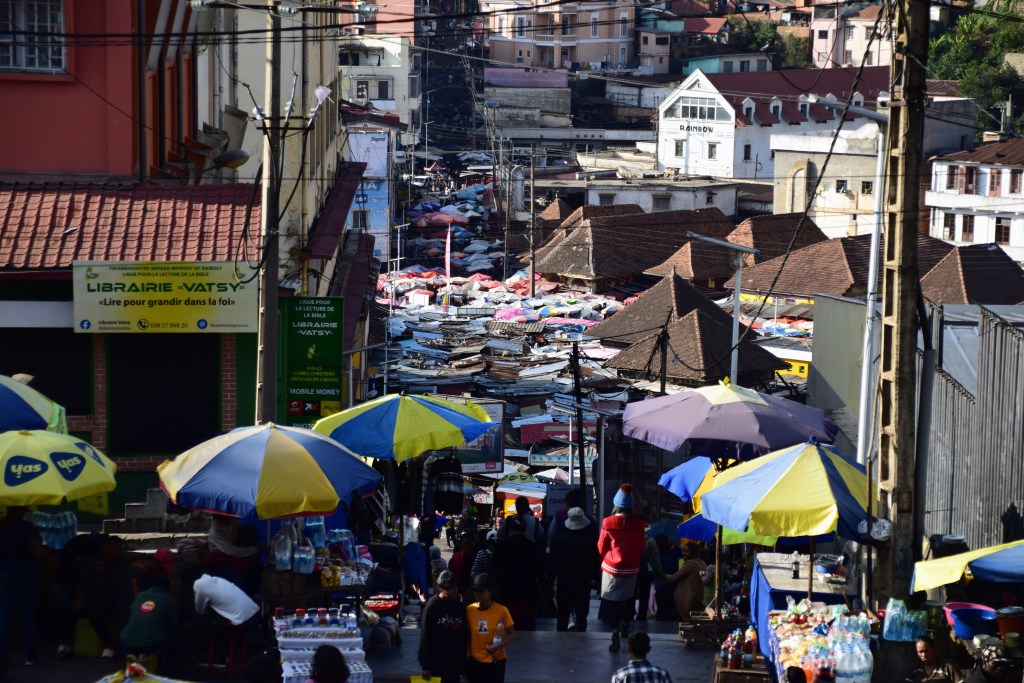
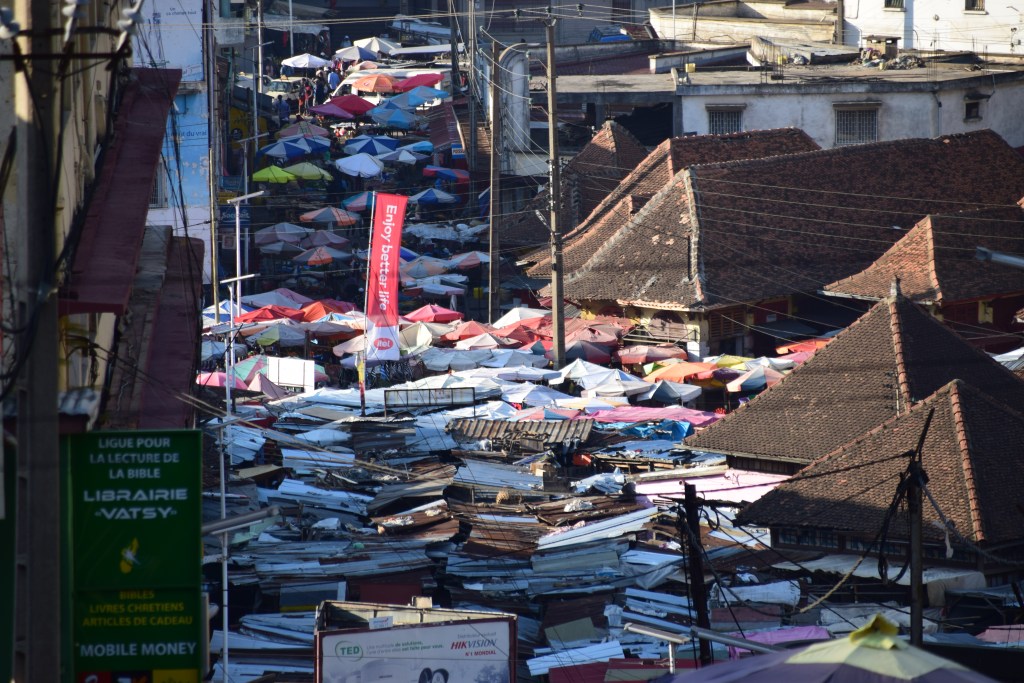
Shopping streets are almost as busy!

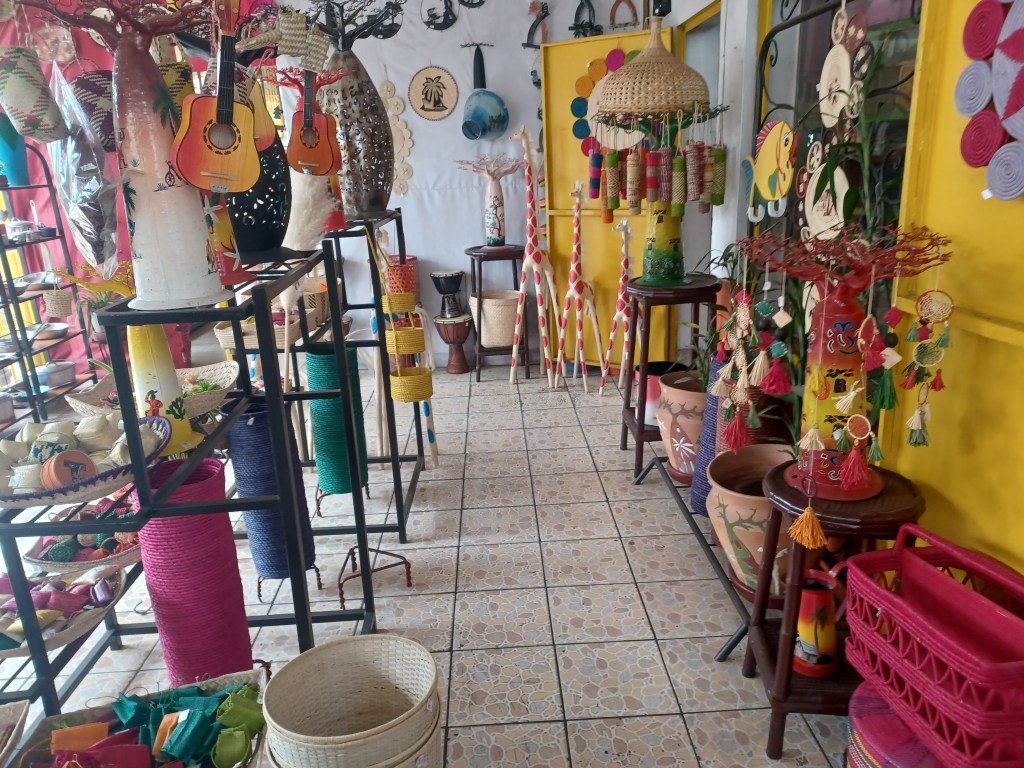
But it’s not all madness and chaos – there are a few havens like this!! With fixed prices!!
In the early 1900’s, the French drained marshland and rice fields to expand the city. In the basse ville (lower town), they laid out a grid pattern of streets and built a grand Parisian-style boulevard – Ave de l’Indépendance – with an even grander train station at one end (there hasn’t be a train service here since the mid 90’s).
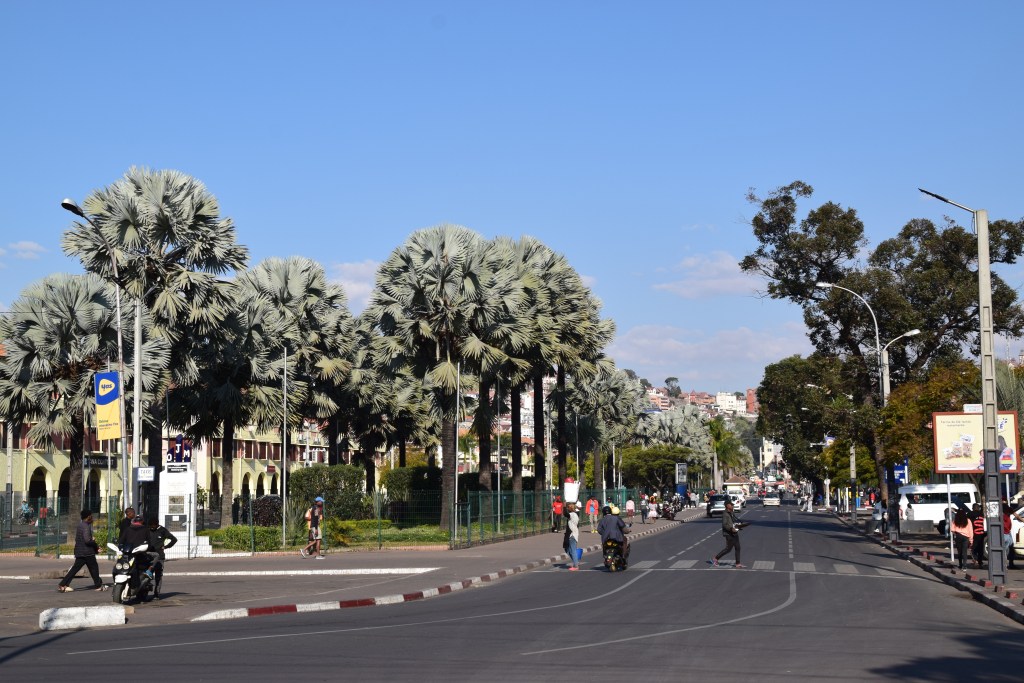

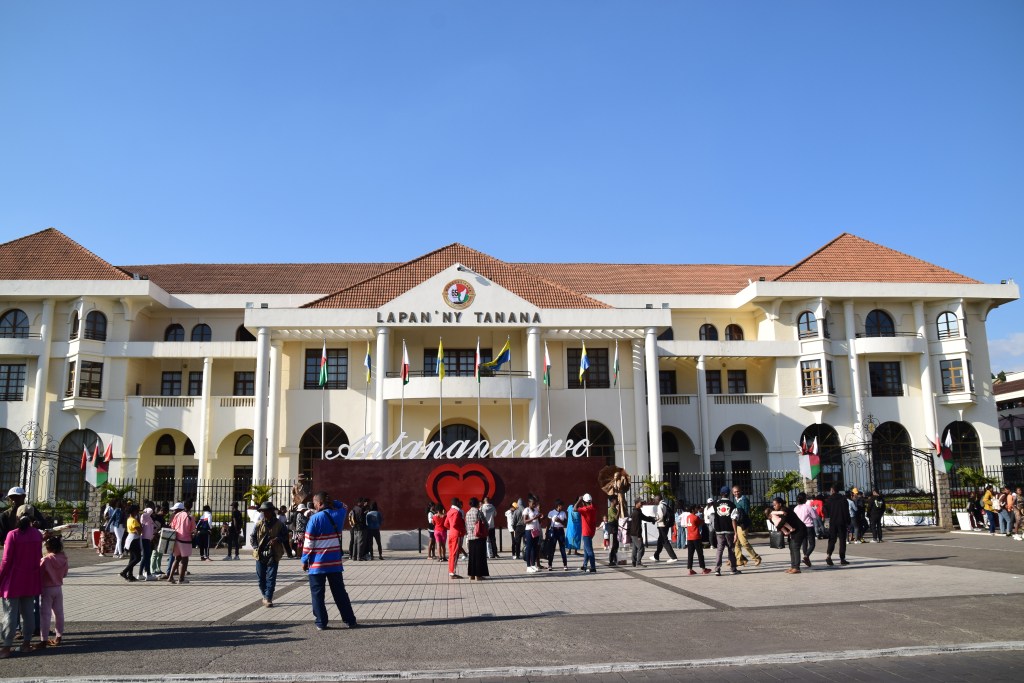
The Avenue makes an obvious gathering location and has become the traditional spot for political protests. The Town Hall, about half way along, was burnt by students in 1972 and only rebuilt ( in its original style) as recently as 2019.
A busy laundry service…
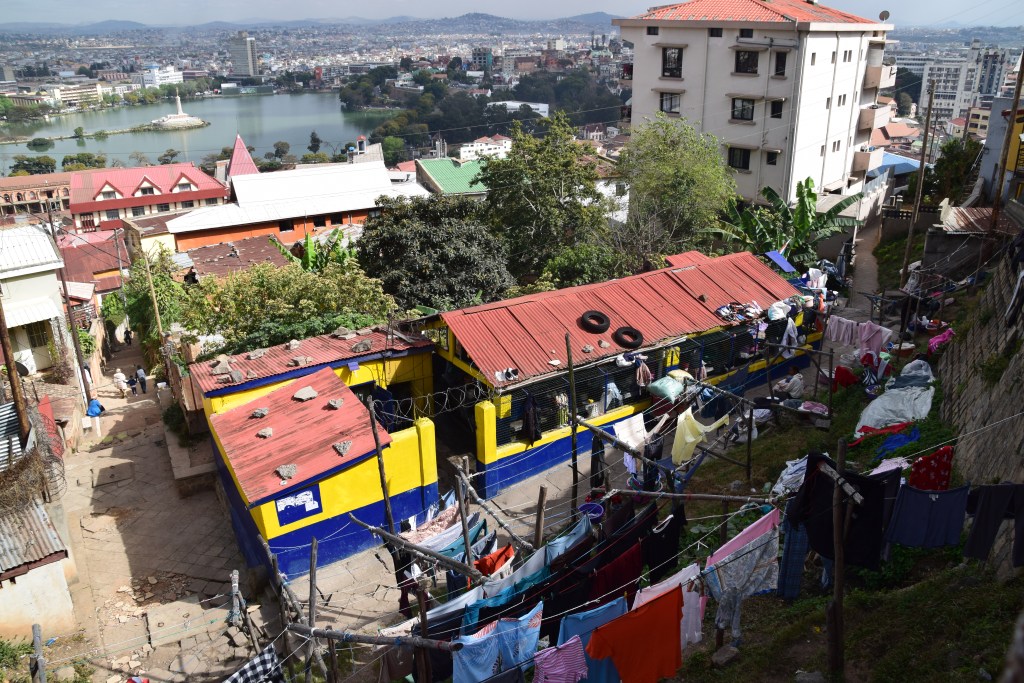
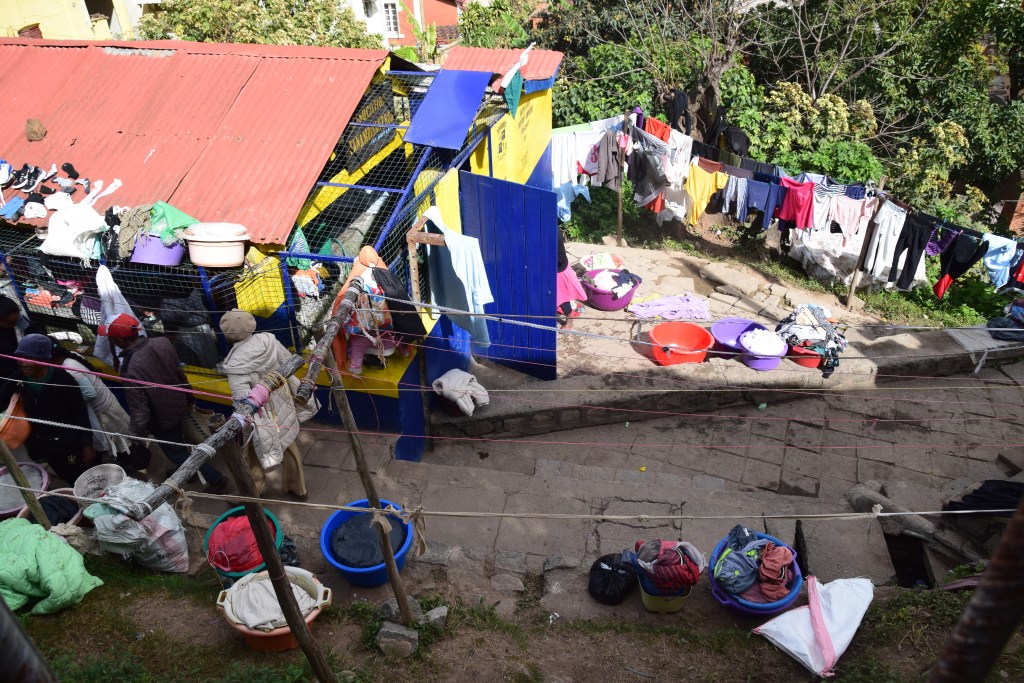
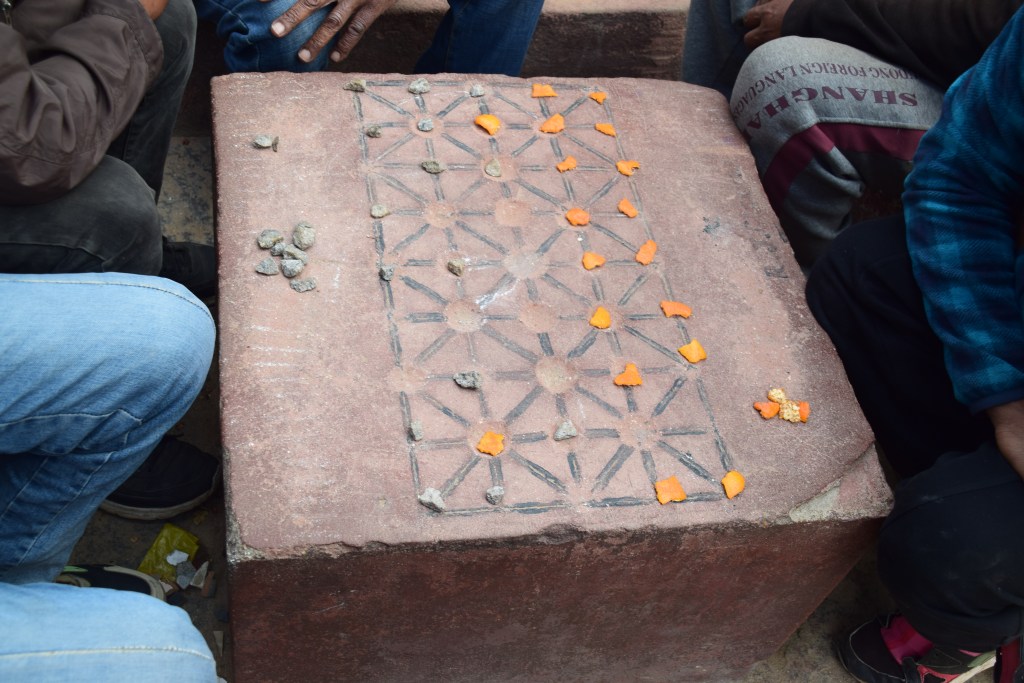
Another staple of city life… Fanorona is played in public spaces – squares, street corners, bus stations….
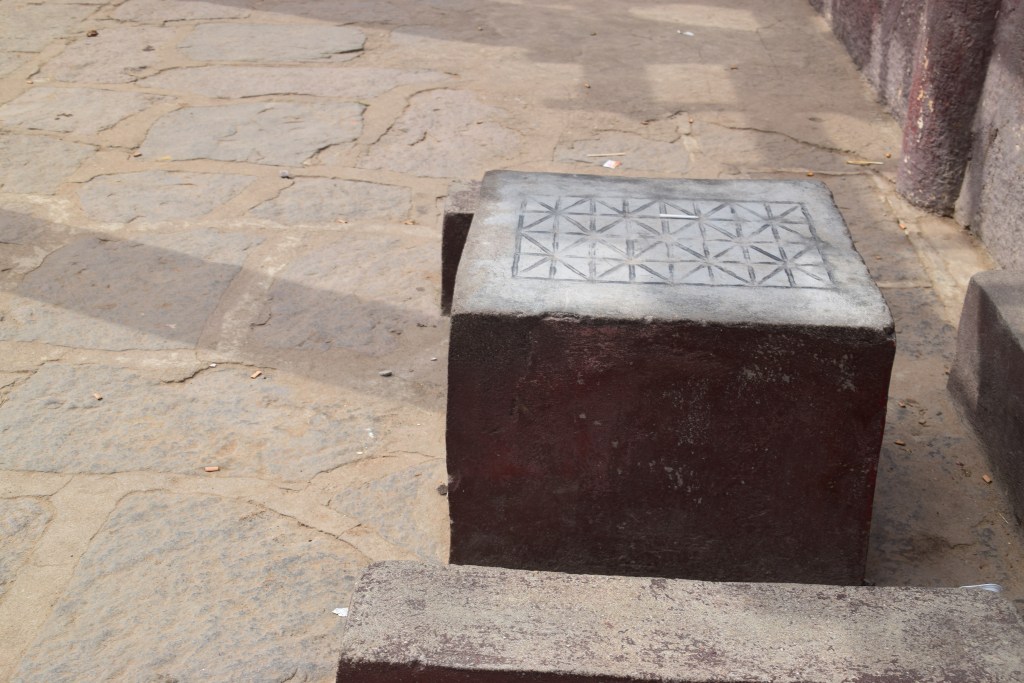
It seems to be something akin to draughts or chess with two players vying for control of the board. Each player starts out with 22 pieces – no worries about appropriate tokens – whatever is at hand will do nicely…
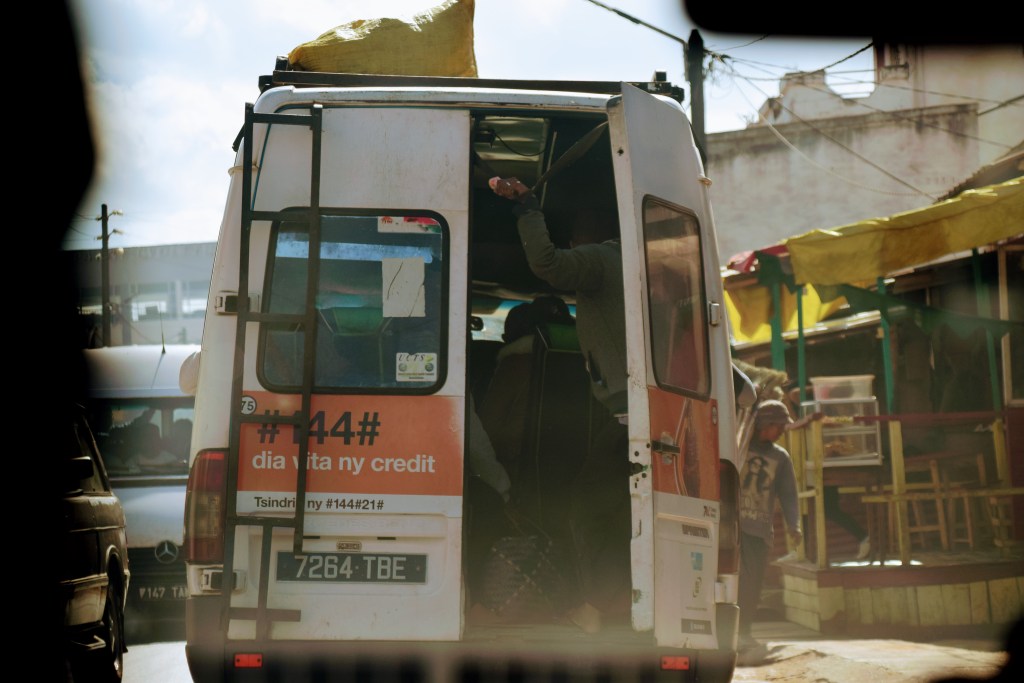
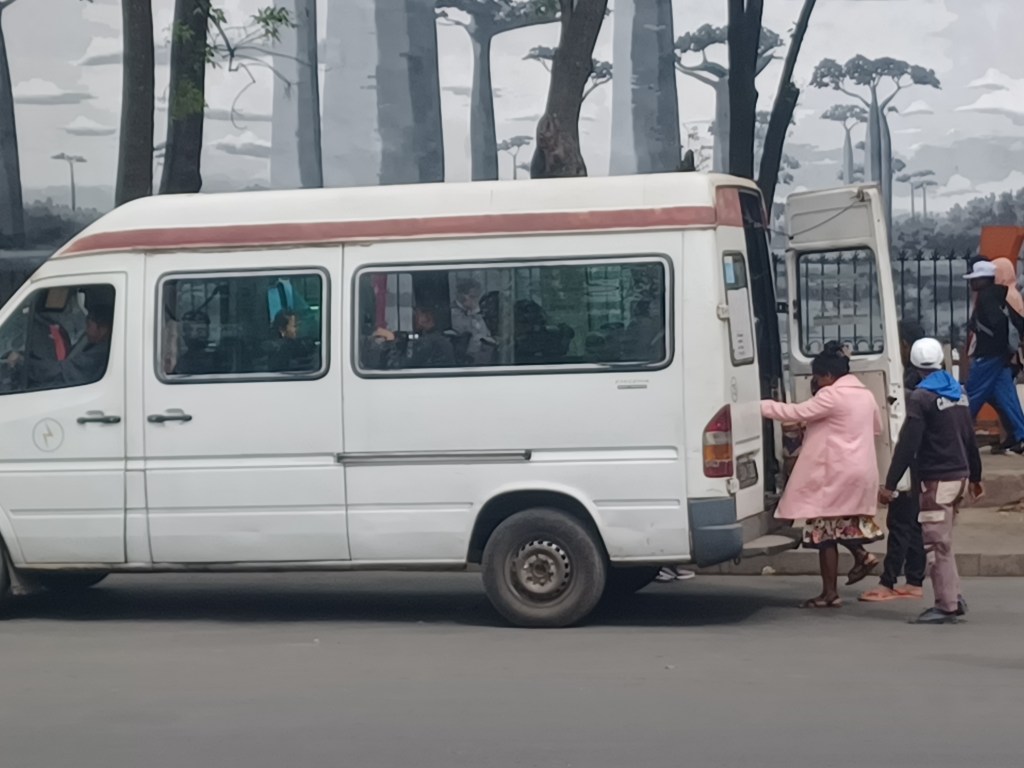
Visitors might prefer taxis but most locals opt for TAXI-BES – a shared mini bus, operating on fixed routes. Low cost, high frequency -you just jump in the back!
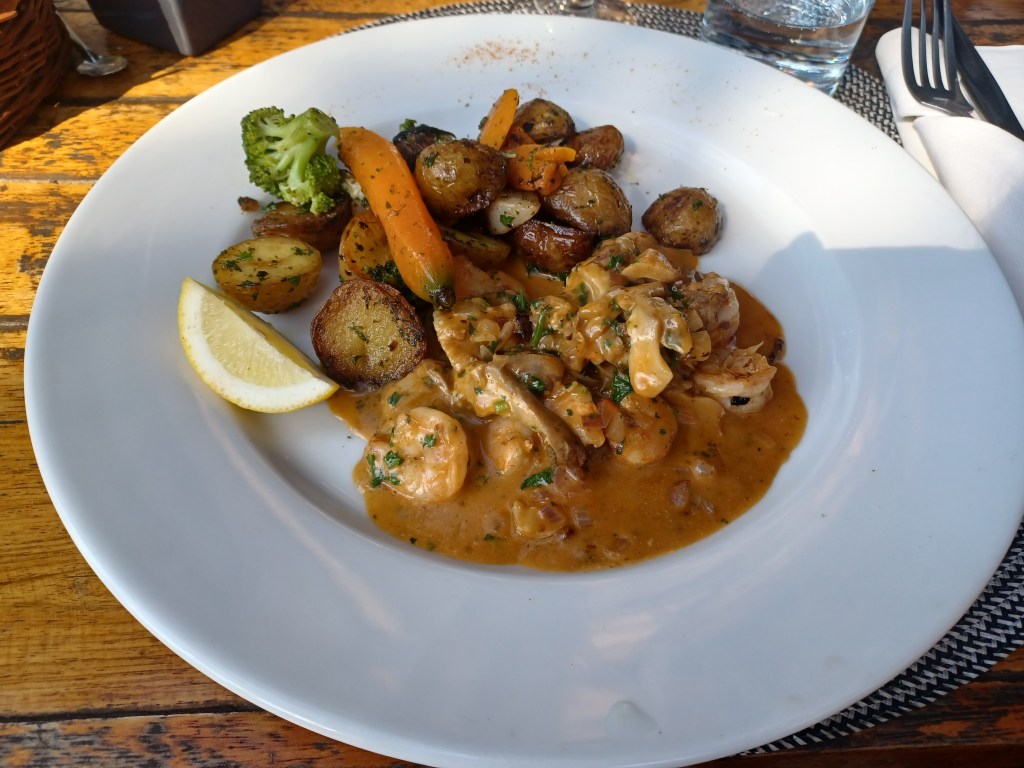
You won’t go hungry here! Yes, the Malagasy eat rice with everything (circa 0.5kg per head per day) and the poorer among them flavour the rice with veg or beans but there are fine dining options in the city featuring local and international cuisine. No need to panic – should you tire of zebu steak (which I never did!!), you’ll find a pizza somewhere!
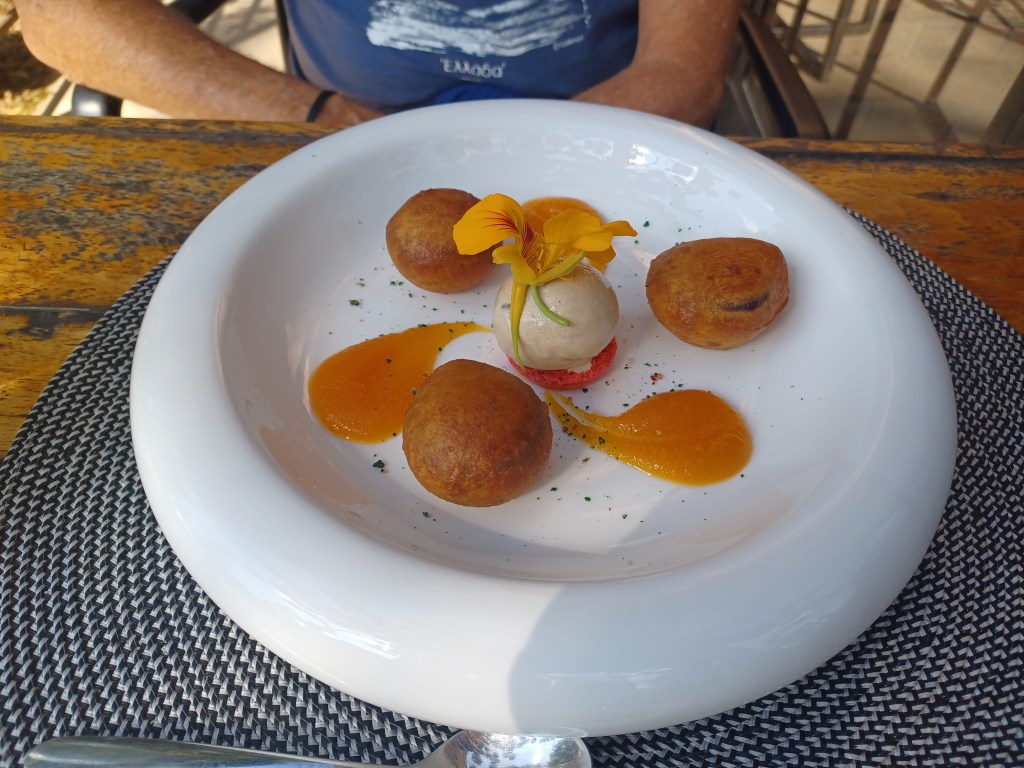
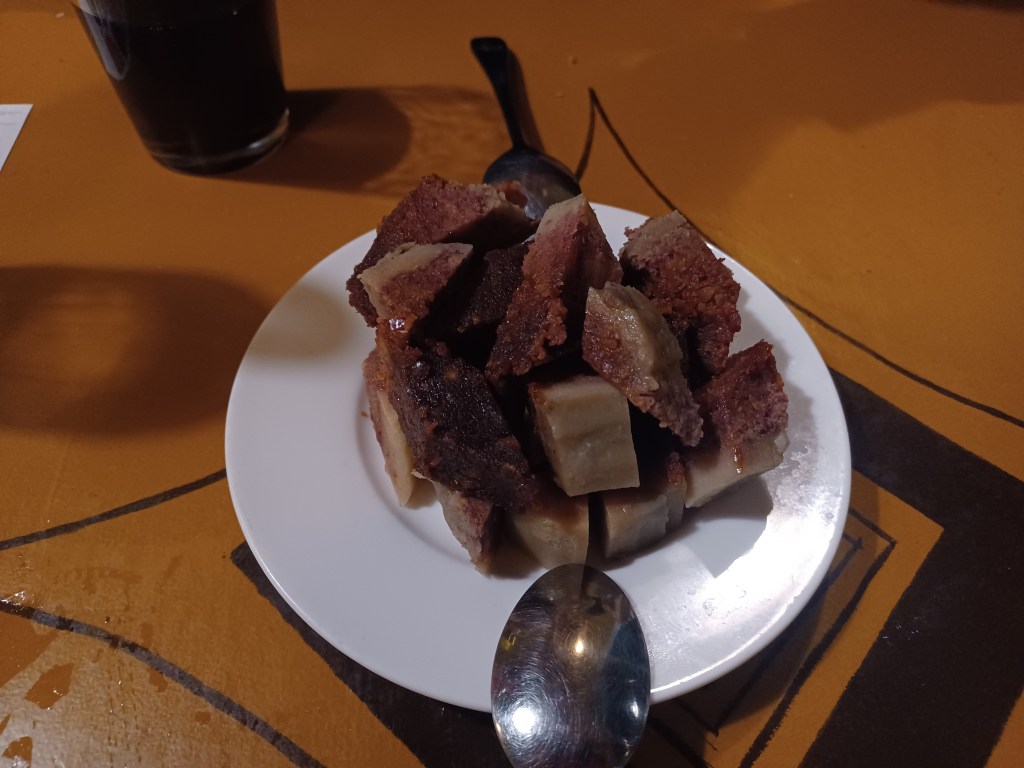
Three Horse Beer (THB) is the dominant brand in the country. Koba is the most iconic street dessert – a sweet, sticky cake made from ground peanuts, brown sugar, and rice flour, wrapped in banana leaves and steamed before being sold in slices on every street corner (I prefer the beer!!).

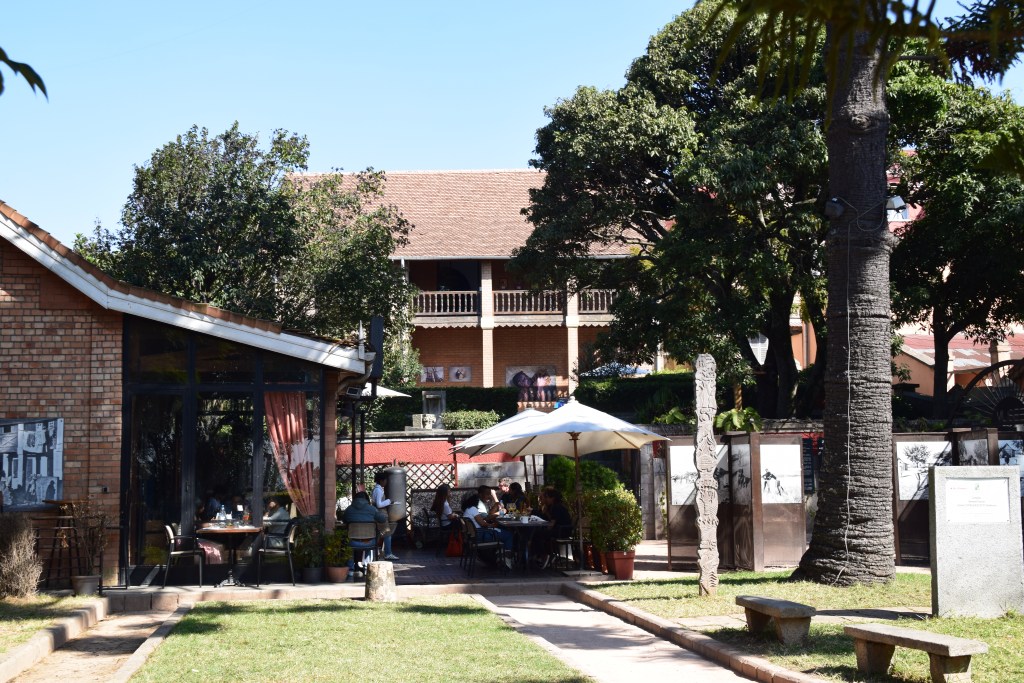
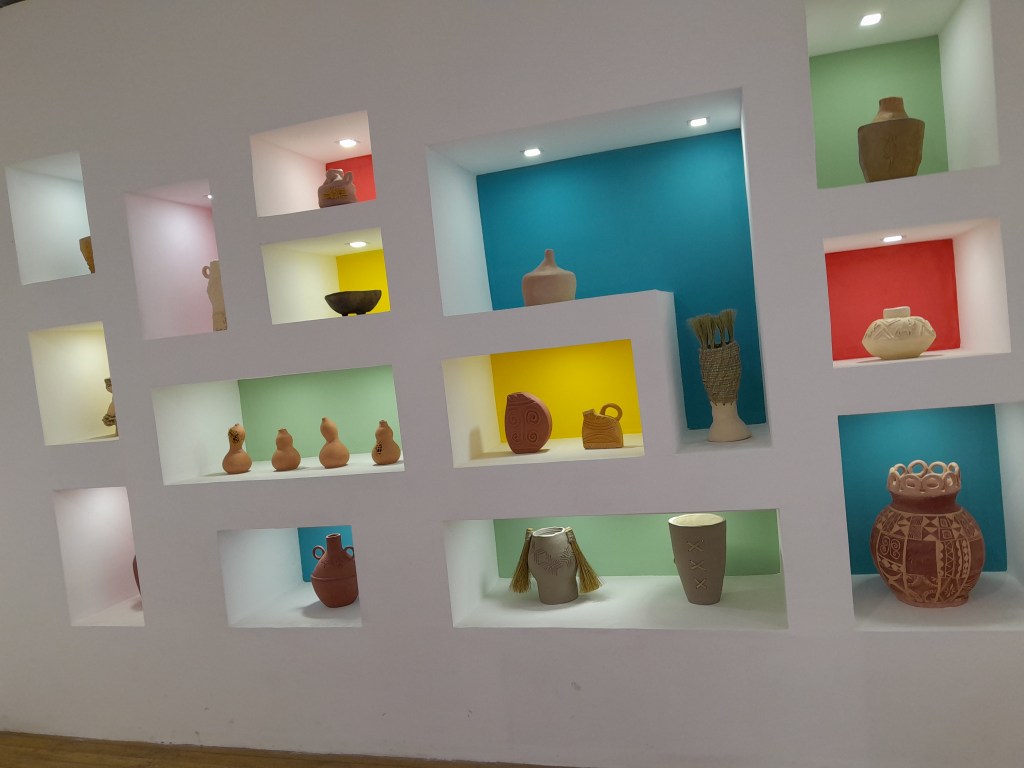
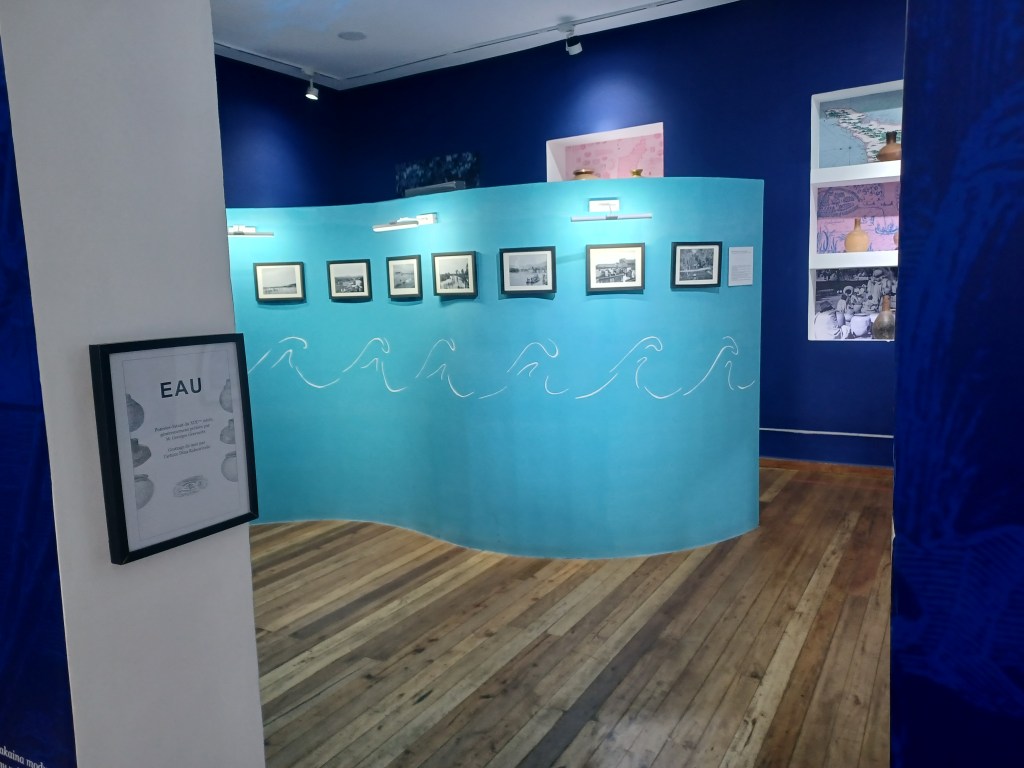
It’s not all traffic, smog and a mess of power lines – the city is home to several fine galleries and museums. The stunning Photography Museum, below, opened in 2018 in a 19th century house in the Upper Town.
A bit more controversial is the new Cable Car service. Designed to reduce the congestion on the streets, it has literally cut hours off commuting time – capable of ferrying thousands of passengers per hour between the hills, a rush hour drive that took 90 minutes can now be completed in 15-20 minutes by air. Critics argued against the scheme – that a poverty-stricken country could spend nearly €150 million on such a project. Then there is the ticket price – at 3,000 Ariary (€0.60-€0.65) per ride, it is too expensive for most locals’ daily commute so they’ll be sticking with the Taxi-Be 500 Ariary fare.

Tana is surrounded by the Twelve Sacred Hills of Imerina – the hilltop villages of the old Merina clans before they became a single kingdom. One of them, the UNESCO World Heritage Site of Ambohimanga Rova, makes for a very popular half day trip – some 12 miles and about a 45 minute drive from the city.
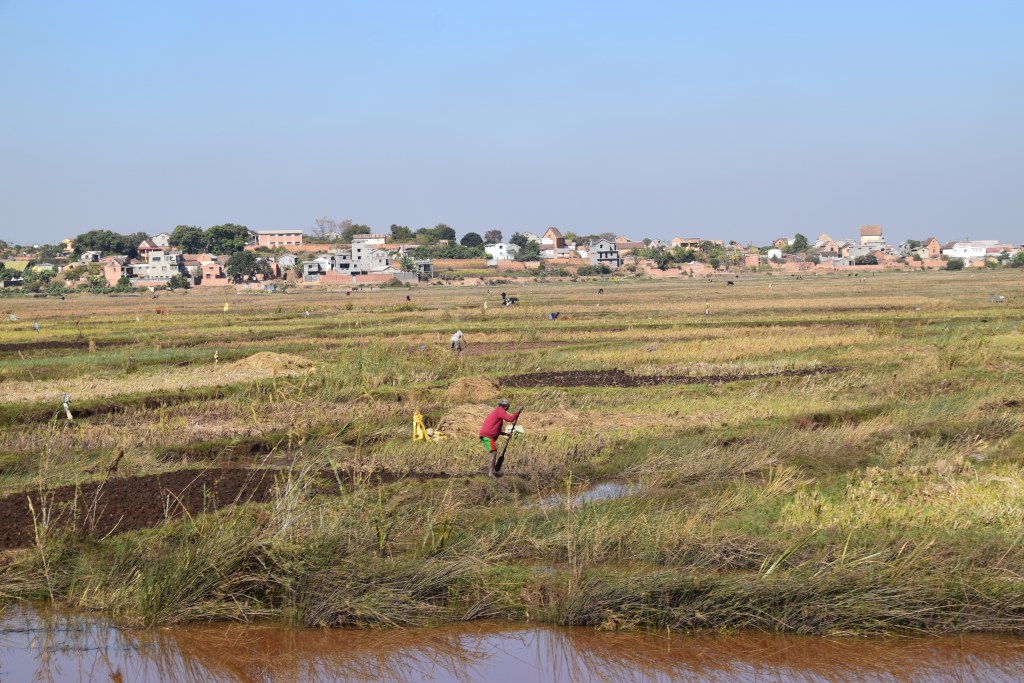
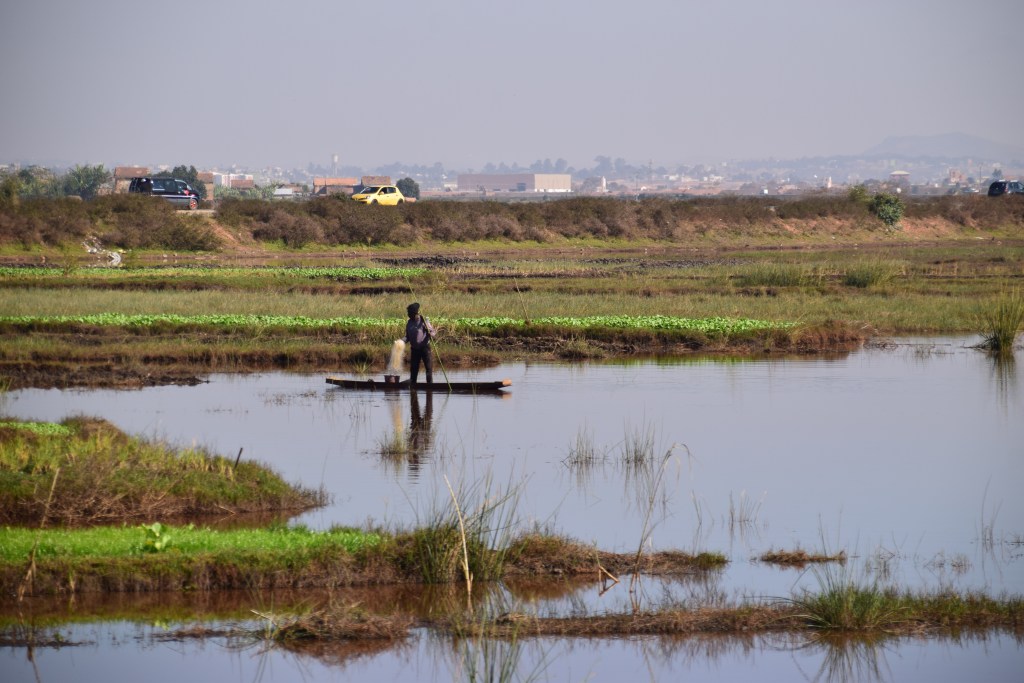
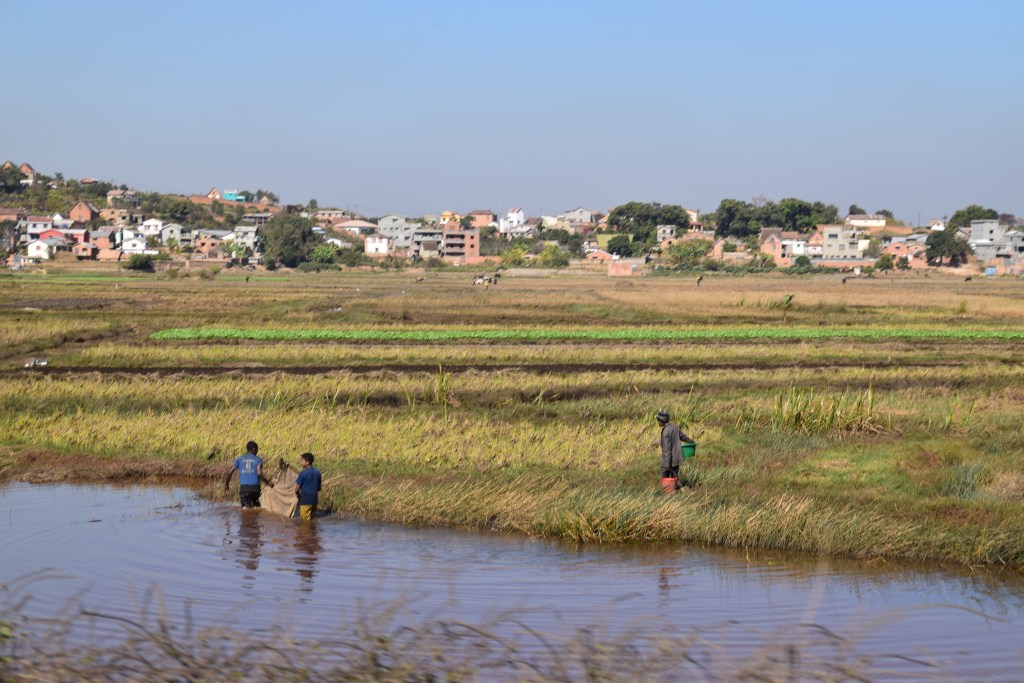
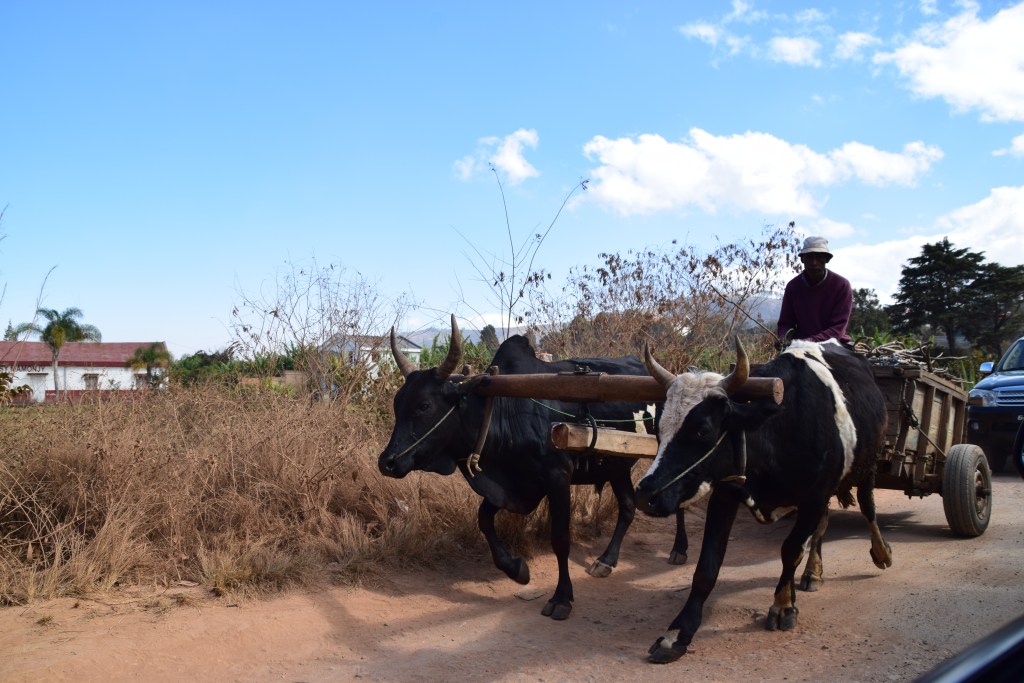
Once you beat the traffic in the city centre, the road passes through the low-lying rice paddies that are crisscrossed by the canals that supply the essential water for the crop.
The site might be modest by European standards but this is considered the spiritual and cultural centre of the country and the Rova preserves intact some of the original eighteenth-century structures and brickwork of King Andrianampoinimerina as well as a number of restored houses, tombs and pavilions.

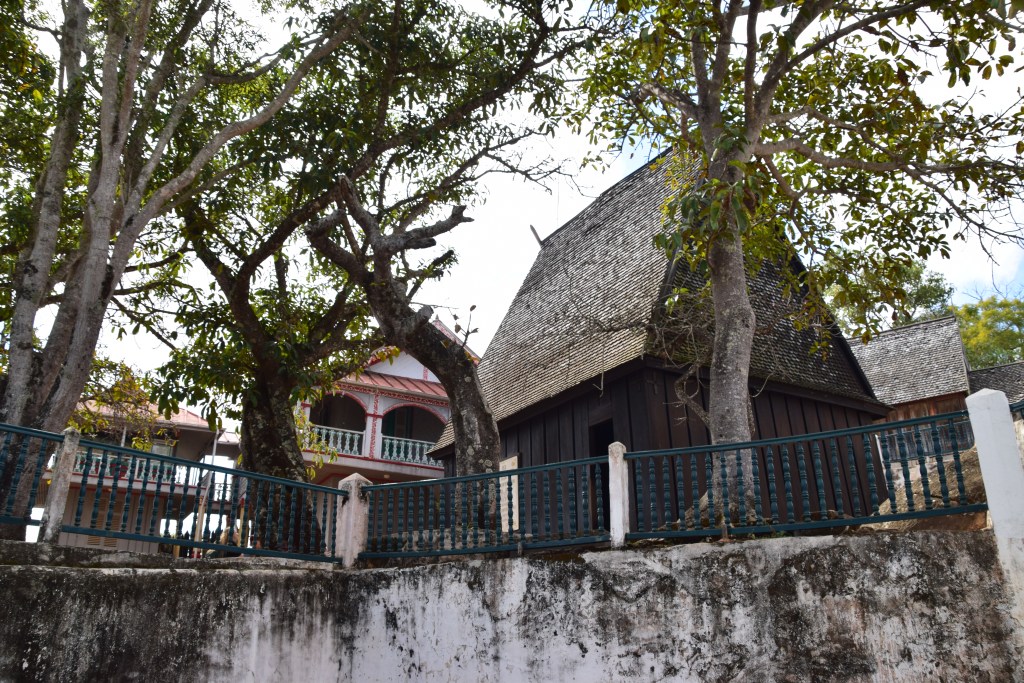

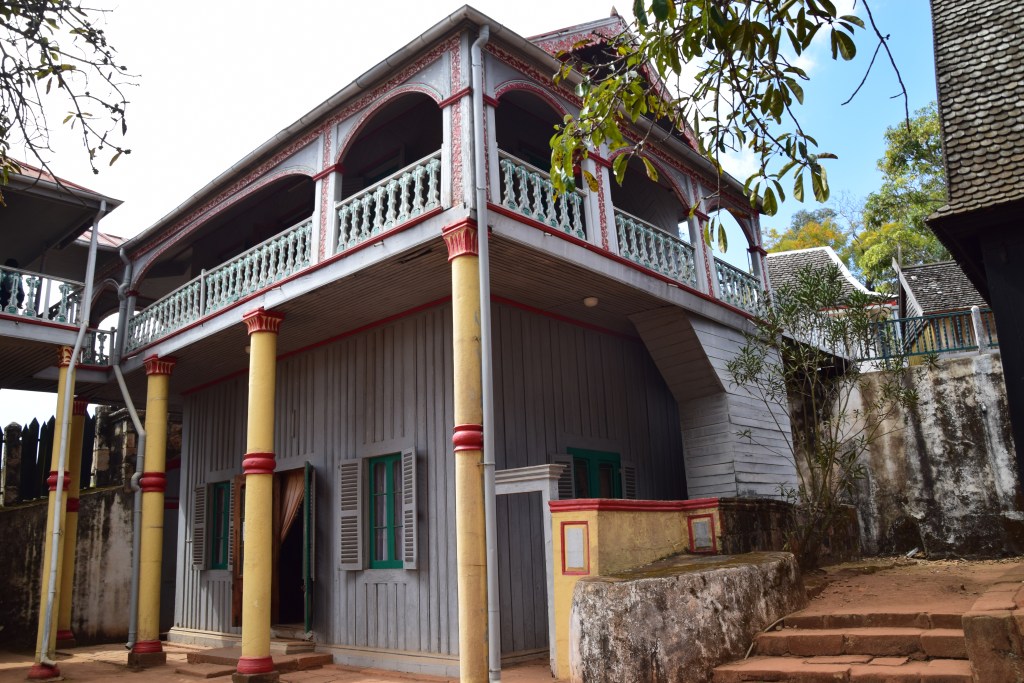
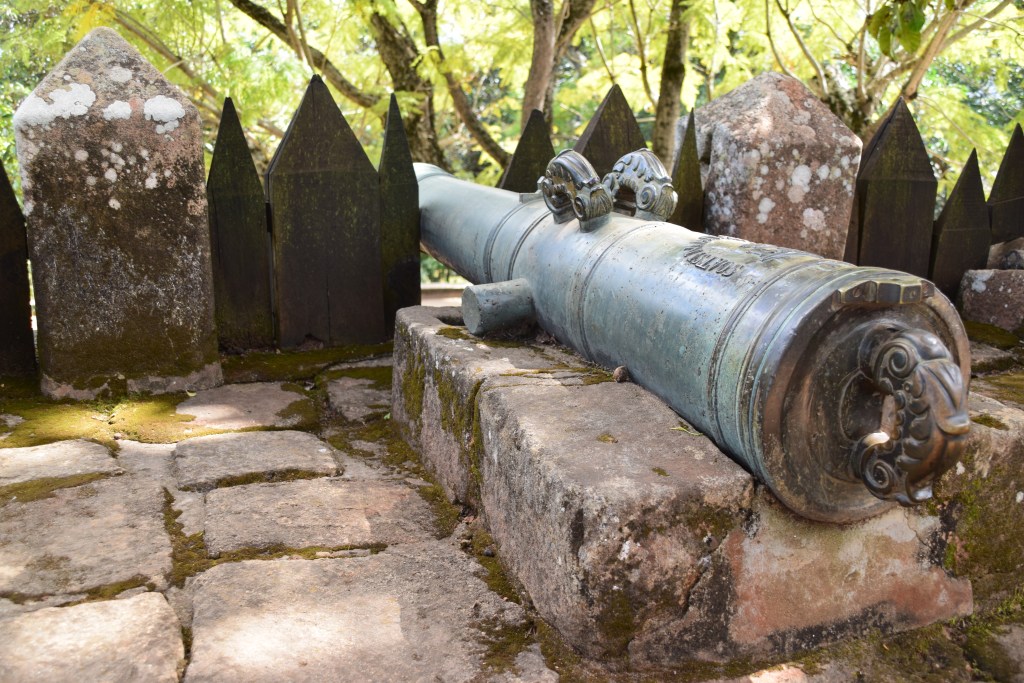
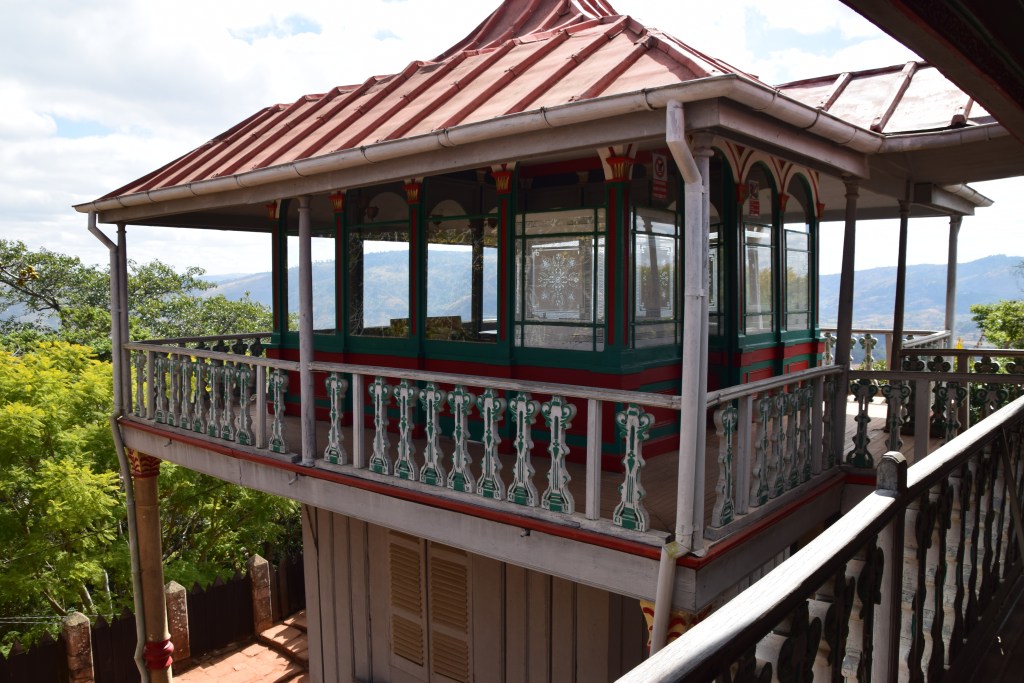
This is still very much a sacred spot, tied up with traditional beliefs and taboos…
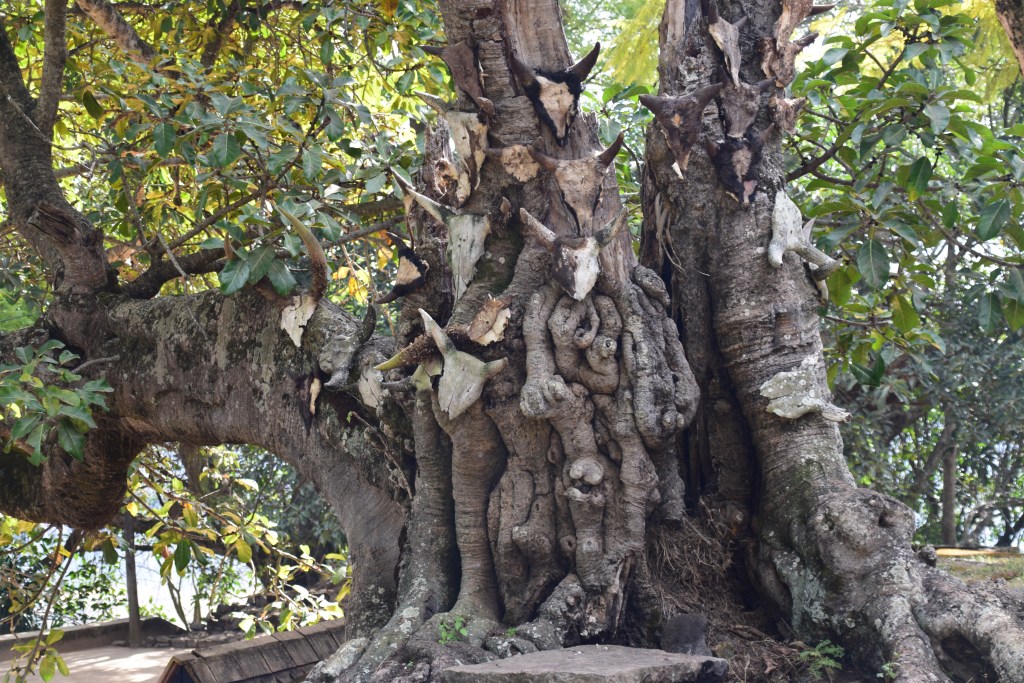
Whatever you do – DON’T turn around – You MUST walk out backwards!!!

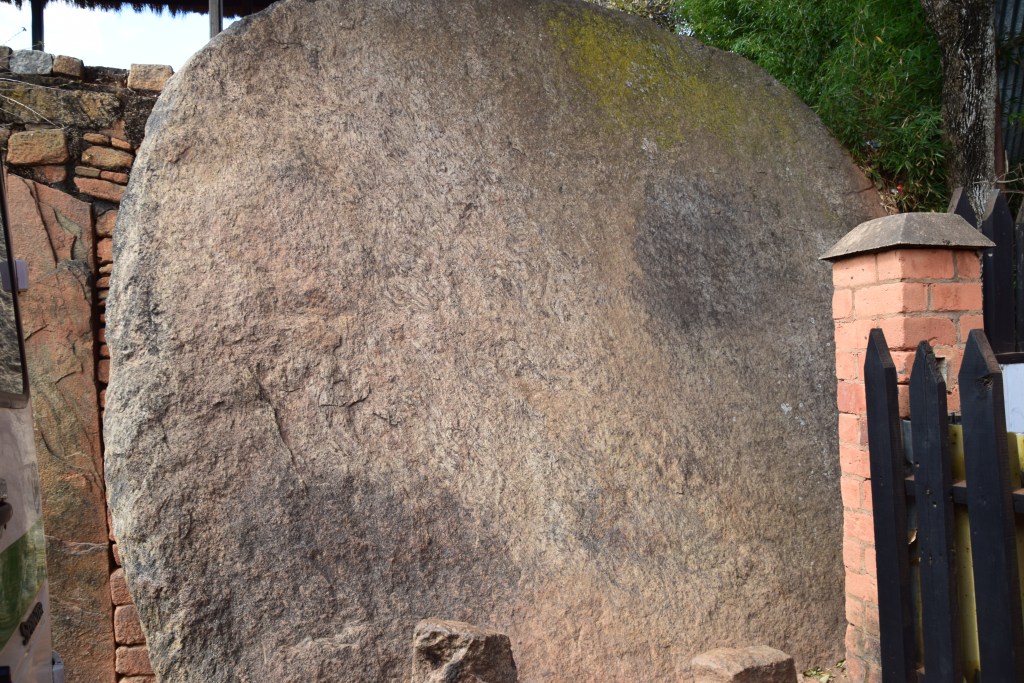
A few of the original fourteen gateways are still intact – massive stone discs would have been rolled across the entrance to seal the compound against attack….
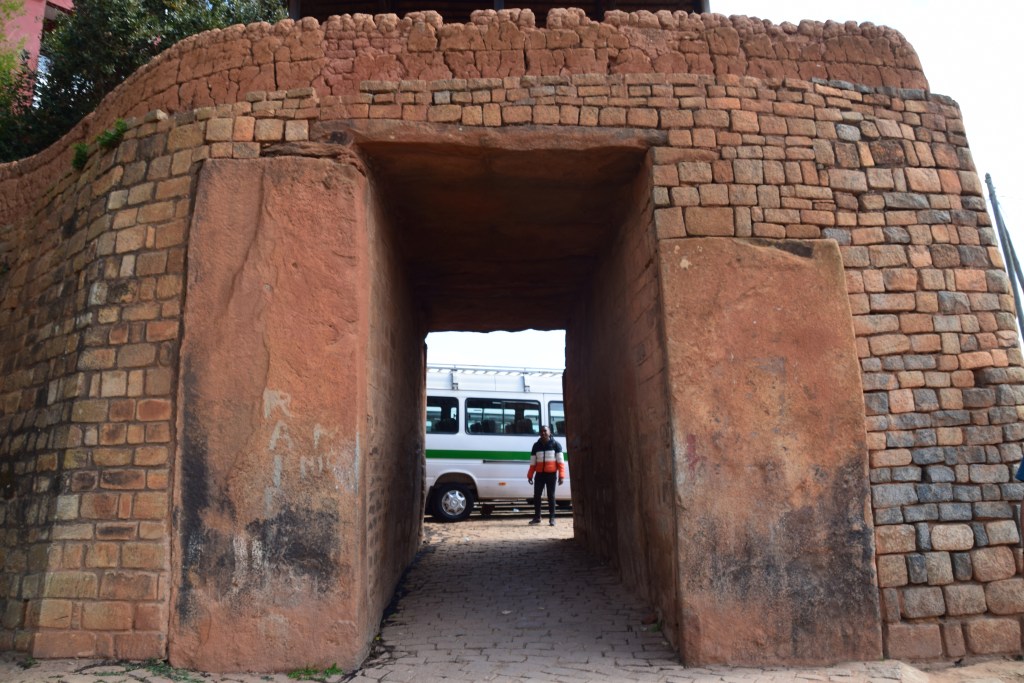

There are wonderful views from up here ….
The surrounding countryside (with the smoggy haze of Tana in the distance).

The motorway under construction below us will link Tana with the port of Toamasina – the two lane road will cut the 350km journey to 3 hours (there are reports of truck drivers taking up to 16 hours to cover the distance!!!)

Since independence in 1960, urban growth has been largely uncontrolled. Tana’s population then was an estimated 250,000 at most – today it is circa 4.4 million with projections of over 6 million by 2035. The city now spills away from the hills, with informal settlements taking over agricultural land across the nearby plains in every direction. The pressure on infrastructure is immense – I don’t know how they will overcome the challenges of sanitation, waste management, water and electricity supplies, traffic, housing….
I’m not sure what you’ll take from the above post! We’d actually a lovely few days here and enjoyed a city walking tour and the tour out to Ambhimanga Rova. The rest of the time we wandered the streets and markets, went to the gallery and frequented the coffee shops. The most upsetting thing was the rather prolific begging from children in one or two parts of the city. We were also disappointed that, although we were centrally located, we were seriously discouraged from walking to even nearby restaurants after dark. We met a lovely taxi driver who collected us one evening and then waited with his young son outside a restaurant to bring us back up the road. On another night, we set off for a restaurant before dark and a staff member walked us home later.
We left Antananarivo and headed off to -yep – the beaches, lemurs and baobabs! And it was all absolutely wonderful. But, I can tell you this – after witnessing the extent of rural poverty (most of the population lives on less than 2 US Dollars a day), I can fully appreciate why so many islanders are heading for the city. As we approached the outskirts of Tana again a few weeks later and saw what others see – not a fragile city bursting at the seams but a mecca of opportunity with flashing lights, fancy car showrooms, fast food outlets and choice of stores – well, then these streets are truly paved with gold……
July, 2025
Wow. Thanks for this, I don’t know much about Madagascar, and certainly not the urban areas.
Glad you liked it Diana – it’s certainly not what springs to mind when one thinks ‘Madagascar’…
Very interesting. Thanks for sharing the broad scope of the culture and scenes.
Thank you! I’ll be touching on the the natural side of Madagascar in the next while but I wanted to write about the urban scene – and decided to do that first..
Very interesting read..great photos
Thanks Therese – I wasn’t terribly comfortable taking photos on the street so only used the camera when we were on the guided walk and the Rova Tour – but I ended up with enough to put the blog together..
I have to confess, it’s not on my bucket list. However, we’ve met a number of Madagascans and they were all delightful.
Lovely people – I don’t know what they must think of visitors who can stay in hotels and pay (relatively) huge money for food and transport.
We have a few Madagascan relatives (by marriage) and went to a wedding in Antananarivo about 15 years ago before going on to explore the variety of landscapes and natural beauty to the south and to the coast. That was a truly memorable trip. My brother in law has a business there and tells me that the country has changed a lot in the last couple of decades (generally, not for the better) and since he first set up there, it is totally transformed. It remains a fascinating place I’m sure. Thanks for your account of the city and i look forward to hearing about your trip to see the beaches, lemurs and baobabs.
That must have been a great experience… It would have been a different place 15 years ago – and. as you say, lots of changes but not necessarily for the better. A great deal has happened even since we were there last summer. I knew very little about the country before we went – just had a glamorised vision of a tropical paradise to be honest.
Love to travel but this wasn’t on my list/radar. Looks amazing though!
I love islands and I love the tropics and I love wildlife in its natural environment so it was on my long list all right but I never thought I’d get there…
These are rare images of a country still relatively untouched by travellers. There are surprising things like this chessboard in the middle of the street.
We were actually surprised at how few visitors we spotted in the city. We crossed paths with others along the way – mostly tour groups but we met one ‘older’ couple who were travelling independently there for a month – we were VERY impressed with them! The game boards were impressive all right – beyond the city, the grid is usually marked out on the ground.
Marie, what a wonderful tour of Madagascar you have given us on this post! I was left wishing I could see it for myself. Well done! 😊
I’m delighted with your words Pepper because I feared it was all a bit negative… So thank you!
I thought it was a very true post about Madagascar and not just the “tourist traps” that we often see and hear about. I truly enjoyed and appreciated your perspective. 😉
Much appreciated…😘
Thanks for the great write-up! I’m actually planning a dive trip to Madagascar right now, and it’s interesting because several fixers have advised me to skip Antananarivo entirely and head straight to the dive sites.
What would you usually do? Would you normally see a bit of a country when you go diving? Most of your time will be on the coast – if you’ve only a short time to explore beyond then you’ll really have to prioritise the lemurs over the city!
In a lot of the places I dive, flight connections aren’t very convenient, so I usually build in an extra day or two. I really appreciate your perspective on Antananarivo — I haven’t finalized my plans yet, but I’ve been comparing the value of flying into Nosy Be vs. Antananarivo
We missed out altogether on Nosy Be…. Looks stunning. There’s a national park with some lemurs close to Tana I think – so if you do end up there you might still manage to fit in a day tour from the city which includes the Rova and the lemurs! And THEN you can go diving!
Wow, what a truly unique, raw, and adventurous experience, dear Marie. When it comes to places like Antananarivo, it is best to arrive without any expectations. I love hilly its landscapes, historic royal palaces, and vibrant, albeit gritty culture. I hope you’ll write about the lemurs, too! Thanks for sharing, and have a good day 🙂 Aiva xx
I enjoyed this! I’ve never read anything about Madagascar before.
Thanks Lissy. You’re not alone in that – Wee knew very little ourselves but were going as part of a group so knew we’d see the highlights and have (relative) ease of travel, etc. Not a place I’d be heading to on my own…
We were in Madagascar around 20 years ago, but spent as little time as possible in Antananarivo – for us the trip was all about the lemurs, which were as wonderful as we’d hoped! But we did witness rural poverty. I remember one time our bus was driving through a small village where we saw a group of people sitting on the ground in a circle, all of them hitting big rocks with hammers. We asked our guide what was going on, and he explained that every few days a truck would deliver a load of rocks, which the villagers would reduce to small chippings by furiously bashing them with hammers. The chippings would then be collected and used in road building / repairs. This process would earn the villagers just enough to buy the rice that would give them sufficient energy to smash up the next pile of rocks when it was delivered. What a desperately grim existence!
We’d a great guide – a really lovely guy. He was circumspect in what he said but at the same time he made sure we were seeing what was around us and he made us aware of local and national circumstances – both political and economic – as we travelled through the country. You can only come away feeling so privileged and lucky in life…
Fascinating read and great that you got to see more of Madagascar than many do. Very sad that so many struggle though and I guess there’ll be more if the population keeps growing at that rate 🙁
Thanks Jason – We misread the tour details (well – really didn’t read much of it at all to be honest!) and ended up with 3 days in the city before we joined the group instead of 2 as planned. Once I realised we were all right for accommodation I stopped panicking and we just settled into the place – the extra time certainly gave us a chance to get a feel for the city.
Marie, So many thoughts after reading your post, the comments people made, AND your detailed responses to them. We are in the very stages of planning a 6-8-week, independent trip next spring to Namibia and Botswana, and want to include Madagascar as well. Your tour of Tana is invaluable, as we also like to spend time in a country’s capital, and not just make a beeline for the “provinces.” I hadn’t realized how desperately poor the country is, however, and thinking it may be wiser for us to go on a small tour. We’d also like to combine time in Tana with seeing the lemurs, and beach time, given our druthers. Would you kindly share where you stayed in Tana, the name of your guide, and tour company? That would be extremely helpful information. If you feel more comfortable, please email me at annieberger4@gmail.com with any suggestions you might have. My sincere thanks again for a marvelous post.
Annie I’ll send a more detailed reply to your address…. we were in Namibia also – that’s going to be a wonderful trip…
I haven’t heard much about Antananarivo, so thanks for the overview. Love the views from up on the hill. Interesting to hear about the cable car service. Sounds like a good idea in theory, but it’s too bad it’s too expensive for the locals.
They’ll definitely have to do something about the price of the fare if it’s going to serve its purpose – It has become quite the tourist attraction but, alas, it’s not the tourists that are clogging the streets….